
What Is a No-Shave FUE Hair Transplant?
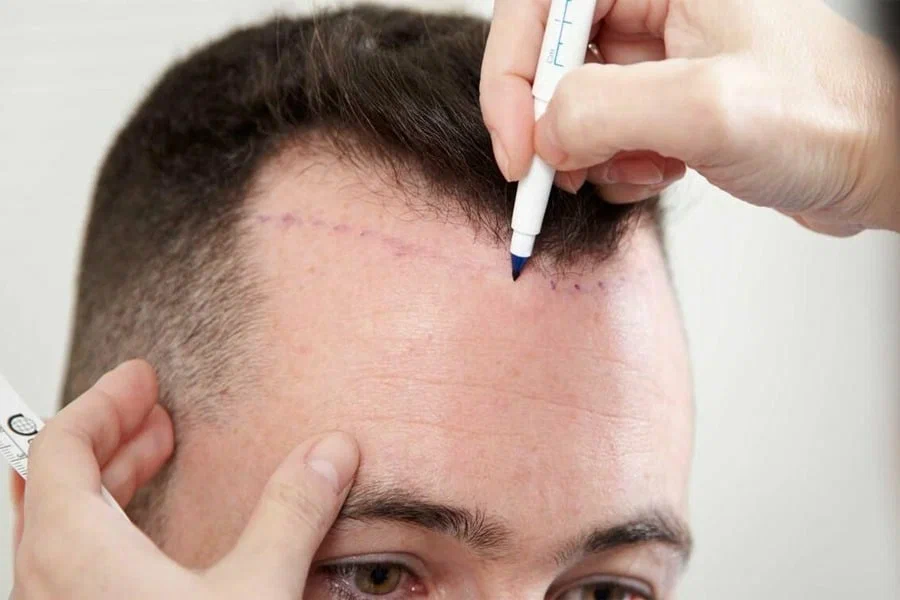
Hair loss can affect confidence at any age, and many people delay treatment because they worry about having to shave their entire head. A no-shave FUE hair transplant offers an appealing alternative for patients who want to restore hair while keeping their existing hairstyle. This advanced approach allows individual hair follicles to be transplanted without completely shaving the scalp, making the procedure more discreet and easier to fit into everyday life.
Unlike traditional methods that often require a noticeable change in appearance before treatment, a no-shave approach lets many patients return to work and social activities with greater confidence. The procedure combines modern follicular unit extraction techniques with careful planning to create natural-looking results while minimizing visible signs of treatment.
Understanding What Is No Shave FUE Hair Transplant
If you are wondering what a no-shave FUE hair transplant is, it is a variation of follicular unit extraction that allows the surgeon to remove and transplant individual hair follicles without shaving the entire scalp. Instead of clipping all of the hair, only small areas within the donor region may be trimmed so the surrounding hair can conceal the treatment site.
This approach is especially popular among patients who prefer to keep their hairstyle private during recovery. Many professionals and individuals with busy social schedules appreciate being able to undergo treatment without drawing unnecessary attention.
The overall goal remains the same as traditional FUE. Healthy hair follicles are carefully collected from the donor area, usually the back or sides of the scalp, and placed into thinning or balding areas to create natural hair growth over time.
How the No Shave Hair Transplant Procedure Works
The no shave hair transplant procedure follows many of the same principles as standard FUE, but it requires additional precision and planning because existing hair remains in place throughout much of the process.
Consultation and Hair Assessment
Every successful transplant begins with a detailed evaluation. During the consultation, the provider examines your pattern of hair loss, donor hair density, scalp condition, and long-term goals.
This assessment helps determine whether a no-shave procedure is the right choice or whether another treatment approach may better suit your needs.
Preparing the Donor Area
Instead of shaving the entire scalp, the provider trims only small sections within the donor area when necessary. The surrounding hair hides these trimmed sections, making them difficult to notice after the procedure.
This technique allows patients to maintain their existing hairstyle while still providing access to healthy follicles.
Follicle Extraction
Individual follicular units are carefully removed using specialized instruments designed to minimize disruption to nearby tissue. Each graft is handled with care to preserve its health before transplantation.
The precision required during this step is one reason why choosing an experienced provider is so important.
Graft Placement
After preparing the recipient area, each follicle is placed according to the natural direction, angle, and pattern of your existing hair. Careful placement helps create a result that blends naturally with surrounding hair growth.
Because every graft is positioned individually, achieving natural density requires both technical skill and artistic planning.
Who Is a Good Candidate?
A no-shave approach is not the ideal option for every patient, but many individuals can benefit from this technique.
People with mild to moderate hair loss often make excellent candidates because the procedure allows existing hair to conceal the treated areas during healing. Patients who work in public-facing roles also appreciate the ability to return to daily activities without an obvious change in appearance.
Individuals who wear longer hairstyles frequently choose this option because they want to avoid shaving their head before treatment.
The best way to determine candidacy is through a consultation that evaluates your donor hair supply, current pattern of hair loss, and long-term restoration goals.
Benefits of Choosing a No Shave FUE Hair Transplant
One of the biggest advantages is privacy. Since most of your existing hair remains untouched, many people around you may never realize you have undergone a hair restoration procedure.
Recovery often feels more comfortable because patients continue wearing their normal hairstyle throughout the healing process. This makes it easier to attend work, family events, or social gatherings without feeling self-conscious.
Another benefit is the natural appearance created by individual follicle placement. Instead of producing an artificial hairline, careful graft positioning allows new growth to blend with existing hair over time.
Patients also appreciate that there are no large linear scars associated with this technique. Tiny extraction sites usually become difficult to notice as healing progresses.
NeoGraft Technology and Modern Hair Restoration
Modern hair restoration continues to evolve, and one of the technologies frequently used during follicular unit extraction is the NeoGraft hair transplant system. This advanced technology assists with the harvesting and placement of healthy hair follicles while supporting precision throughout the procedure.
Patients considering NeoGraft hair transplant treatment often value the minimally invasive nature of the procedure and the opportunity to achieve natural-looking results with less disruption to their existing hairstyle.
Many people exploring hair restoration also compare transplant procedures with other non-surgical options. Reading Alma TED vs PRP and hair transplants can help you better understand how different treatments work and which option may best match your goals.
FUE Hair Transplant Recovery
One of the reasons many patients choose this approach is the relatively comfortable FUE hair transplant recovery compared with older hair restoration techniques. Since individual follicles are removed through tiny extraction sites rather than a larger incision, healing is generally straightforward for most people.
The First Few Days
Mild redness and slight swelling are common during the first several days. Small scabs form around the transplanted grafts as part of the normal healing process. Following your provider's instructions helps protect the newly placed follicles during this stage.
The First Few Weeks
As healing continues, the small scabs naturally fall away. Some of the transplanted hairs may shed during this period. Although this can be surprising, it is an expected part of the growth cycle because the follicles remain healthy beneath the skin.
The Following Months
New hair growth usually begins gradually over the next several months. Early growth may appear fine at first before becoming thicker and more consistent with your existing hair.
Patience is important because hair restoration develops over time rather than producing immediate cosmetic changes.
How Does No-Shave FUE Compare With Traditional FUE?
Both procedures use follicular unit extraction to relocate healthy hair follicles from one area of the scalp to another. The primary difference is how the donor area is prepared.
Traditional FUE often involves shaving a larger portion or the entire scalp to improve access to donor follicles. This approach may be suitable for patients requiring a higher number of grafts or those who do not mind a temporary change in appearance.
A no-shave procedure focuses on preserving your current hairstyle by trimming only small sections when necessary. This option is especially attractive for people who prefer a more discreet recovery and want to return to their daily routine with minimal visible signs of treatment.
Your provider will recommend the approach that best fits your pattern of hair loss, donor hair availability, and long-term restoration goals.
What Results Can You Expect?
Hair restoration is a gradual process. While the procedure is completed in a single visit for many patients, visible improvements develop over several months as the transplanted follicles enter a normal growth cycle.
During the first few months, it is common to notice little change while the follicles establish themselves. New growth often becomes more noticeable between the third and sixth month, with continued improvement over the following months.
The final appearance depends on several factors, including donor hair quality, the number of grafts placed, and individual hair characteristics such as thickness, color, and texture.
Because the transplanted follicles come from areas that are naturally more resistant to hair loss, they continue growing in their new location, creating results that blend naturally with existing hair.
Common Misconceptions About No Shave FUE
Myth One: It Is Completely Different From Standard FUE
The no shave technique still uses the same follicular unit extraction method. The difference lies mainly in how the donor area is prepared and how the procedure is performed to preserve your existing hairstyle.
Myth Two: Recovery Takes Much Longer
Recovery is generally similar to traditional FUE. Since most of your surrounding hair remains intact, many patients feel more comfortable returning to work or social activities sooner because signs of treatment are less noticeable.
Myth Three: Only People With Minor Hair Loss Can Benefit
While candidacy depends on individual factors, many patients with different stages of hair loss may qualify. A consultation helps determine whether the no-shave approach can achieve the desired level of coverage.
Myth Four: Results Look Less Natural
Natural results depend on careful planning, artistic graft placement, and the experience of the provider rather than whether the scalp was fully shaved before treatment.
Choosing the Right Provider
Hair restoration is both a medical procedure and an artistic process. The experience of your provider plays a significant role in achieving a natural-looking hairline and balanced overall density.
An experienced team evaluates facial proportions, donor hair quality, and long-term hair loss patterns before creating a treatment plan. Every graft is placed with attention to angle, direction, and spacing so new growth blends naturally with your existing hair.
Many patients choose Dallas Men's Health because they value personalized treatment plans, advanced hair restoration technology, and a focus on achieving results that look natural rather than obvious.
Caring for Your Hair After the Procedure
Proper aftercare supports healthy healing and gives the transplanted follicles the best opportunity to establish themselves successfully.
During the first several days, patients are encouraged to follow washing instructions carefully and avoid unnecessary friction on the treated areas. Sleeping with the head slightly elevated may help reduce temporary swelling.
As healing progresses, most people gradually return to their normal hair care routine. Your provider will explain when it is appropriate to resume exercise, wear hats, or use styling products.
Maintaining a healthy lifestyle also supports long-term hair health. Good nutrition, stress management, and consistent scalp care contribute to the overall appearance of both transplanted and existing hair.
Conclusion
A no-shave FUE hair transplant offers a discreet and effective way to restore hair without requiring a fully shaved scalp. By preserving your existing hairstyle, this advanced technique allows many patients to return to daily life with greater confidence while enjoying natural-looking results over time. Whether you are experiencing early thinning or more noticeable hair loss, a personalized consultation can help determine if this approach is the right fit for your goals. With experienced care, realistic expectations, and proper aftercare, hair restoration can provide lasting improvements that blend seamlessly with your natural hair.
Frequently Asked Questions
What is a no-shave FUE hair transplant?
A no shave FUE hair transplant is a follicular unit extraction procedure that removes and transplants individual hair follicles without shaving the entire scalp. Only small areas of the donor region may be trimmed, allowing most patients to keep their existing hairstyle throughout treatment.
Who is a good candidate for the no shave hair transplant procedure?
Many people with mild to moderate hair loss and sufficient donor hair are good candidates. The best way to determine eligibility is through a consultation that evaluates your hair loss pattern, donor density, and long-term goals.
How long does FUE hair transplant recovery take?
Most patients recover comfortably within the first few weeks, although new hair growth develops gradually over several months. Small scabs typically heal within days, and the transplanted follicles continue growing as they become established.
Is a NeoGraft hair transplant different from traditional FUE?
A NeoGraft hair transplant uses advanced technology to assist with follicle extraction and placement while following the same follicular unit extraction principles. The system is designed to support precision and create natural-looking results.
Will people notice I had a hair transplant?
One of the biggest advantages of the no shave technique is that it keeps most of your existing hair intact. This helps conceal the donor area and allows many patients to return to work or social activities with minimal visible signs of treatment.
Are the results of a no shave FUE hair transplant permanent?
The transplanted follicles are typically taken from areas that are naturally more resistant to hair loss. Once they establish themselves in the recipient area, they continue to grow naturally, although existing non-transplanted hair may continue to thin over time.
More Blogs
What Are the Treatments for Erectile Dysfunction?
Learn about erectile dysfunction treatments, available options, causes, and personalized care to improve sexual health and confidence.
Read Blog
How Long Does the P Shot Last?
Learn how long the P Shot lasts, what affects results, and how to maintain improvements with expert care and healthy lifestyle habits.
Read Blog
Signs of Low Testosterone in Men in Dallas
Signs of low testosterone in men in Dallas, symptoms, and treatment options including testosterone replacement therapy and lifestyle changes.
Read Blog
How Much Does Male Enhancement Cost?
Discover male enhancement costs in Dallas, including surgery, injections, girth enhancement, and consultation options.
Read Blog
Can Botox Cause Cancer? A Complete Guide
Explore Botox safety for cosmetic and medical purposes. Understand cancer risk, scientific evidence, and expert guidance for informed decisions.
Read Blog
Is Laser Fat Removal Safe ?
Laser fat removal is safe, how treated fat cells respond, and the results you can expect from this minimally invasive body contouring procedure.
Read Blog.jpg)
Ozempic Sexual Side Effects
GLP-1 medications can affect testosterone, libido and erections. What the research actually found, and what to do if you are taking one.
Read Blog
The Truth About Ozempic & Mounjaro
What rapid GLP-1 weight loss does to testosterone, muscle mass and sexual function in men, and how to protect against the tradeoffs.
Read Blog.jpg)
GLP-1 Drugs and Men’s Libido
GLP-1 drugs like Ozempic may lower men’s libido and affect erections due to brain, hormone, and vascular changes, though effects vary by individual.
Read Blog
Can Dehydration Cause Erectile Dysfunction
Dehydration can affect blood volume and erection quality, but it is rarely the whole story. When ED points to something that needs treating.
Read Blog
Can Vaping Cause Erectile Dysfunction
Vaping affects the same blood vessels as smoking. What the link to ED looks like, how reversible it is, and what recovery usually takes.
Read Blog
Laser Fat Removal: Does It Really Work?
Explore laser fat removal and find out if it really works, including how the procedure targets fat, expected results, and factors affecting effectiveness.
Read Blog
How to Prep for Laser Hair Removal ?
Learn how to prepare for laser hair removal with expert tips for safer sessions, smoother skin, faster healing, and the best long-lasting results.
Read Blog
TED Hair Restoration Cost
Discover the 2025 cost of TED Hair Restoration, factors affecting pricing, and what to expect for an effective and affordable hair restoration treatment.
Read Blog
Do Kegels Work for Men? Key Benefits
Whether pelvic floor exercises genuinely improve erections and bladder control in men, how to do them correctly, and how long results take.
Read Blog
Alma TED Hair Treatment Recovery Guide
Learn what to expect after your first Alma TED hair treatment, including recovery time, treatment results, and post-care recommendations.
Read Blog.webp)
Why Is My Hair Thinning ?
Wondering why your hair is thinning despite good health? Learn hidden causes like hormones, stress, and nutrient deficiencies.
Read Blog
Hair Loss in Men: Beyond Genetics
Learn when hair loss in men is more than genetics and what medical, hormonal, or lifestyle factors may be causing thinning hair.
Read Blog
Early Signs of Erectile Dysfunction
The early signs of ED are easy to dismiss and are often the first warning of a vascular problem. What to watch for and when to get evaluated.
Read Blog.webp)
What Causes Low Testosterone in Men Over 40?
Learn what causes low testosterone in men over 40, common symptoms, and treatment options to restore balance and vitality.
Read Blog.webp)
Testosterone Replacement Cause Hair Loss
TRT can raise DHT and speed up hair loss in men who are genetically predisposed. How likely that is, and what protects against it.
Read Blog.webp)
Low Testosterone And Hair Loss
Learn how low testosterone affects hair loss, what causes it, and how Dallas Men’s Health treats hormone-related hair thinning and restoration.
Read Blog.webp)
How to Get Rid of Curvature at Home
Learn safe, realistic options for addressing penile curvature at home and when professional medical treatment is recommended.
Read Blog.webp)
Medical Weight Loss for Men
Explore medical weight loss for men focused on regaining energy, strength, hormone balance, and long-term health control.
Read Blog
Nicotine and ED: Understanding the Connection
Nicotine narrows the vessels that carry blood to the penis. How quickly erections recover after quitting, and what helps in the meantime.
Read Blog
How to Increase Testosterone
Explore proven ways to increase testosterone naturally and medically to boost energy, muscle strength, mood, and overall sexual health.
Read Blog
Real Ways to Increase Length
Explore real, medically supported ways to increase penis length, including what works, what doesn’t, and realistic expectations.
Read Blog
Penile Enhancement Options & Procedures
Considering penile enhancement? Explore non-surgical options like GirthPro and RegeneGro, as well as surgical procedures offered by Dallas Men's Health.
Read Blog
Testosterone Replacement Therapy Guide
A guide to navigating testosterone replacement therapy (TRT), including benefits, risks, and achieving optimal wellness.
Read Blog
Non-Surgical Hair Restoration
Explore non-surgical hair restoration treatments including PRP, PRF, TED, ISM, medications, and lifestyle tips for hair regrowth.
Read Blog
Is Your Men’s Health Clinic Legit?
Wondering if a men's health clinic is legit? Learn key signs of a reputable clinic, red flags to watch for, and how to choose the right provider.
Read Blog
How Urology Plays into Hair Loss
Explore the connection between urology and hair loss. Learn how hormonal imbalances, medications, and urological health impact hair growth.
Read Blog
What Is the P-Shot? Benefits & Frequency
Discover the P-Shot, its benefits, and how often it’s needed for optimal results. Learn how this treatment can enhance performance and wellness.
Read Blog
Sciatica and Erectile Dysfunction Treatment
Sciatica and ED can share a nerve root cause. How to tell which is driving your symptoms, and which treatments address both at once.
Read Blog
Can Weight Cause Erectile Dysfunction ?
Learn how being overweight can contribute to erectile dysfunction and how weight management may improve sexual health and performance.
Read Blog
Shockwave Therapy for ED: How It Works
Learn how shockwave therapy works for erectile dysfunction, its benefits, and why it’s a non-invasive treatment option for men.
Read Blog
Botox for Scrotal Rejuvenation
Learn how Botox supports scrotal rejuvenation by improving comfort, appearance, and relaxation in a non-surgical way.
Read Blog
Non Surgical Penile Enlargement
Explore non-surgical penile enlargement options, including benefits, safety, and realistic expectations for enhancement.
Read Blog
Stress And Men's Sexual Health
Discover how stress and anxiety impact men’s sexual health and learn actionable strategies to combat it. Explore tailored solutions at Dallas Men's Health.
Read Blog
Does Drinking Water Help You Sexually?
Hydration affects blood flow and erections, but only to a point. What the connection actually is, and the more common reasons performance changes.
Read Blog
Foods That Increase Libido
Which foods have real evidence behind them for testosterone, blood flow and libido, and which are marketing. From a Dallas urology practice.
Read Blog
The Sexual Side Effects of Adderall
Adderall can change libido, erection quality and orgasm. What tends to be reversible, what does not, and when the change is worth getting checked.
Read Blog
How Does Electrical Muscle Stimulation Work?
What electrical muscle stimulation does to muscle tissue, what it is used to treat, and where the clinical evidence actually stands.
Read Blog
How to Get More Girth and Length
Learn safe, doctor-reviewed options to increase penile girth and length, including non-surgical treatments at Dallas Men's Health.
Read Blog
Best and Worst Foods for Erectile Dysfunction
Which foods have actual evidence for erectile function and which are internet myth, separated out by a Dallas urology practice.
Read Blog
Erectile Dysfunction Exam Guide
Find out what to expect during an erectile dysfunction exam, including evaluations, tests, and next steps in treatment.
Read Blog
How P-Shot Work for Erectile Dysfunction?
Learn how quickly the P-Shot® may work for erectile dysfunction, what results to expect, and factors that influence treatment success.
Read Blog
The Role of Exosomes in Cell Communication
Explore the role of exosomes in cell-to-cell communication and their growing importance in regenerative medicine.
Read Blog
Understanding Erectile Dysfunction: Causes, Solutions, and Treatments
Understand the causes of erectile dysfunction and explore modern solutions and treatments to restore confidence and performance.
Read Blog
The P-Shot and Relationships: How It Can Impact Your Partnership
Learn how the P-Shot® can impact relationships by improving confidence, intimacy, and sexual satisfaction.
Read Blog
Hair Loss and Mental Health: How Alma TED™ Restoration Can Make a Difference
Explore the link between hair loss and mental health and how Alma TED™ hair restoration can restore confidence and emotional well-being.
Read Blog
A Comprehensive Guide on How to Make Erections Last Longer
Practical ways to improve erection quality and duration, and how to tell when the cause is medical and worth treating rather than managing.
Read Blog
Is the P-Shot® Right for You? Factors to Consider
Learn if the P-Shot® is right for you by exploring key factors, benefits, and considerations for erectile dysfunction treatment.
Read Blog