
How to Increase Testosterone

Are you constantly feeling tired, unmotivated, or struggling with low libido? These could be signs of low testosterone. Testosterone plays a crucial role in men’s health, impacting energy levels, muscle growth, mental clarity, and even mood, and various lifestyle factors can affect testosterone levels. While testosterone naturally declines with age, poor lifestyle choices, stress, and diet can accelerate this process.
The good news? There are effective, science-backed ways to boost testosterone naturally and medically. In this guide, we’ll explore 12 proven strategies that can help restore optimal testosterone levels. Whether you’re looking for natural solutions like diet and exercise or considering medical treatments, this guide covers everything you need to know.
Now, let’s dive into the first key area: understanding testosterone and why it’s essential for men’s health.
Understanding Testosterone and Its Importance
What Is Testosterone and Why Does It Matter?
.png)
Testosterone is the primary male sex hormone, responsible for muscle growth, fat metabolism, bone density, energy levels, and sexual health. While testosterone is often linked to masculinity, it also impacts cognitive function, emotional stability, and overall well-being.
Testosterone levels peak during adolescence and early adulthood but gradually decline after age 30. Understanding this decline and its effects can help men take proactive steps to maintain healthy hormone levels.
The Role of Testosterone in Men's Health
Testosterone affects nearly every aspect of male health. Its influence extends beyond physical performance and sexual drive, shaping the way men feel, think, and function. Here’s why maintaining optimal testosterone levels is crucial:
- Muscle Growth and Strength – Supports protein synthesis, helping build and maintain muscle mass.
- Fat Distribution – Helps regulate body fat, preventing excessive storage.
- Bone Health – Supports bone mineral density, reducing the risk of osteoporosis.
- Energy and Mood Regulation – Low testosterone often leads to fatigue, depression, and lack of motivation.
- Libido and Sexual Function – Adequate testosterone is necessary for a healthy sex drive and erectile function.
Therefore, it is crucial to maintain healthy testosterone levels to ensure overall well-being.
Now that we’ve covered testosterone’s importance, let’s examine the common causes behind low testosterone levels.
Causes of Low Testosterone
Natural Aging and Hormonal Changes
Testosterone levels naturally decline as men age. By 30, production drops by about 1% per year. While aging itself is unavoidable, lifestyle choices can either slow down or speed up the decline. Factors like stress, poor sleep, and lack of exercise can accelerate testosterone loss, making it essential to adopt healthy habits to preserve hormonal balance.
Lifestyle Factors Affecting Testosterone
Certain lifestyle choices can suppress natural testosterone production. The most common factors of low T include:
- Poor Diet – Processed foods, refined sugars, and trans fats disrupt hormone production.
- Lack of Exercise – A sedentary lifestyle contributes to testosterone decline.
- Chronic Stress – Cortisol levels rise, leading to lower testosterone.
- Inadequate Sleep – Poor sleep impairs testosterone synthesis.
- Environmental Toxins – Plastics, pesticides, and endocrine disruptors negatively affect testosterone.
- Heavy Alcohol Intake – Excessive drinking can significantly reduce testosterone production and adversely impact testicular function.
Medical Conditions Linked to Testosterone Deficiency
Beyond lifestyle factors, certain medical conditions contribute to low testosterone:
- Obesity – Excess body fat raises estrogen, lowering testosterone.
- Diabetes – Insulin resistance reduces testosterone production.
- Sleep Apnea – Oxygen deprivation during sleep lowers testosterone.
Testosterone deficiency can result from these conditions, leading to various health issues.
Recognizing these causes is the first step in improving testosterone levels. Let’s now explore signs and symptoms that indicate low testosterone.
Recognizing the Signs of Low Testosterone

Common Physical Symptoms Including Muscle Mass
Testosterone influences muscle strength, metabolism, and energy levels. When levels drop, common symptoms include:
- Loss of Muscle Mass – Harder to build and maintain muscle.
- Increased Body Fat – Fat storage, especially in the abdomen.
- Chronic Fatigue – Constant low energy and tiredness.
- Hair Thinning or Loss – Testosterone supports hair growth, and lower levels can lead to thinning.
Emotional and Mental Impact
Testosterone doesn’t just affect the body—it influences mood, cognition, and motivation. Many men with declining testosterone levels experience:
- Irritability and Mood Swings
- Depression and Anxiety
- Brain Fog and Difficulty Concentrating
- Reduced Drive and Motivation
If symptoms persist, a blood test can confirm blood testosterone levels, helping determine the next steps.
Natural Ways to Increase Testosterone
Optimizing Diet for Testosterone Production
A testosterone-friendly diet includes:
- Eggs – Rich in healthy fats and cholesterol, key for testosterone synthesis.
- Fatty Fish – Omega-3 and vitamin D support hormone function.
- Lean Meats – Provide zinc and protein, both essential for testosterone.
A balanced diet can help maintain testosterone levels naturally, supporting overall health.
Achieve a Healthy Weight to Boost Testosterone
Maintaining a healthy weight is crucial for men to prevent a decline in testosterone levels. Belly fat increases the activity of the enzyme “aromatase,” which converts testosterone to estrogen. This conversion reduces testosterone and increases estrogen, leading to fat deposition in female areas and an increased risk of prostate enlargement and cancer. For every one-point drop in body mass index (BMI), testosterone levels increase by approximately 1 point. Managing obesity may prevent declining total testosterone in aging males.
A healthy weight can also help boost testosterone levels by reducing inflammation and improving insulin sensitivity. When you’re overweight or obese, your body produces more inflammatory chemicals, which can disrupt hormone production and lead to decreased testosterone levels. By achieving a healthy weight, you can reduce inflammation and promote healthy testosterone production.
In addition, a healthy weight can also improve sexual function and reduce the risk of erectile dysfunction. Excess weight can put pressure on the blood vessels and nerves that control erections, leading to erectile dysfunction. By maintaining a healthy weight, you can improve blood flow and reduce the risk of erectile dysfunction.
To achieve a healthy weight and boost testosterone levels, focus on a balanced diet that includes plenty of healthy fats, protein, and complex carbohydrates. Avoid sugary drinks and foods high in saturated and trans fats, which can lead to weight gain and decreased testosterone levels. Regular exercise, such as weightlifting and high-intensity interval training, can also help you achieve a healthy weight and boost testosterone levels.
In summary, achieving a healthy weight is essential for maintaining healthy testosterone levels. By reducing belly fat, inflammation, and improving insulin sensitivity, you can promote healthy testosterone production and reduce the risk of erectile dysfunction. Focus on a balanced diet and regular exercise to achieve a healthy weight and boost testosterone levels.
Exercise and Testosterone Boosting
Strength training is one of the most effective ways to increase testosterone. The best workouts include:
- Compound Lifts – Squats, deadlifts, bench press stimulate higher testosterone release.
- Heavy Weights, Low Reps – Maximizes hormonal response.
The Importance of Sleep
Testosterone production peaks during REM sleep. Poor sleep reduces testosterone by up to 20%. To improve sleep:
- Maintain a consistent sleep schedule.
- Avoid screen time before bed.
- Ensure 7–9 hours of sleep per night.
Medical Treatments for Low Testosterone
Testosterone Replacement Therapy (TRT)

TRT is prescribed for men with clinically low testosterone and comes in forms like:
- Injections – Delivered into the muscle for long-lasting effects.
- Gels and Patches – Applied to the skin for steady hormone absorption.
Testosterone medications, such as gels and patches, are also available but should be used under medical supervision.
While TRT restores testosterone, it also comes with risks, including testicular shrinkage and cardiovascular concerns. Alternative medical options like Clomid and hCG therapy may help stimulate natural testosterone production.
The Future of Testosterone Research
Researchers are exploring new ways to optimize testosterone safely:
- Gene Therapy – Could stimulate natural testosterone production.
- Bioidentical Hormones – Mimic natural testosterone with fewer risks.
- AI-Personalized Hormone Optimization – Uses genetic markers to tailor hormone therapy.
Conclusion
Maintaining healthy testosterone levels requires long-term lifestyle changes rather than quick fixes. Diet, exercise, stress management, and sleep are foundational for optimal testosterone production.
For men with severe deficiencies, testosterone therapy may be necessary under a doctor’s supervision. Medical treatments like TRT or alternative therapies may be necessary under a doctor’s supervision. As science advances, new methods for managing testosterone naturally and safely will continue to emerge.
The best approach? Prioritize overall health, monitor symptoms, and make informed decisions. By taking proactive steps, you can optimize testosterone levels and improve energy, strength, and well-being for years to come.
More Blogs
What Are the Treatments for Erectile Dysfunction?
Learn about erectile dysfunction treatments, available options, causes, and personalized care to improve sexual health and confidence.
Read Blog
What Is a No-Shave FUE Hair Transplant?
Learn what a no-shave FUE hair transplant is, how it works, recovery expectations, benefits, and whether it is the right hair restoration option for you.
Read Blog
How Long Does the P Shot Last?
Learn how long the P Shot lasts, what affects results, and how to maintain improvements with expert care and healthy lifestyle habits.
Read Blog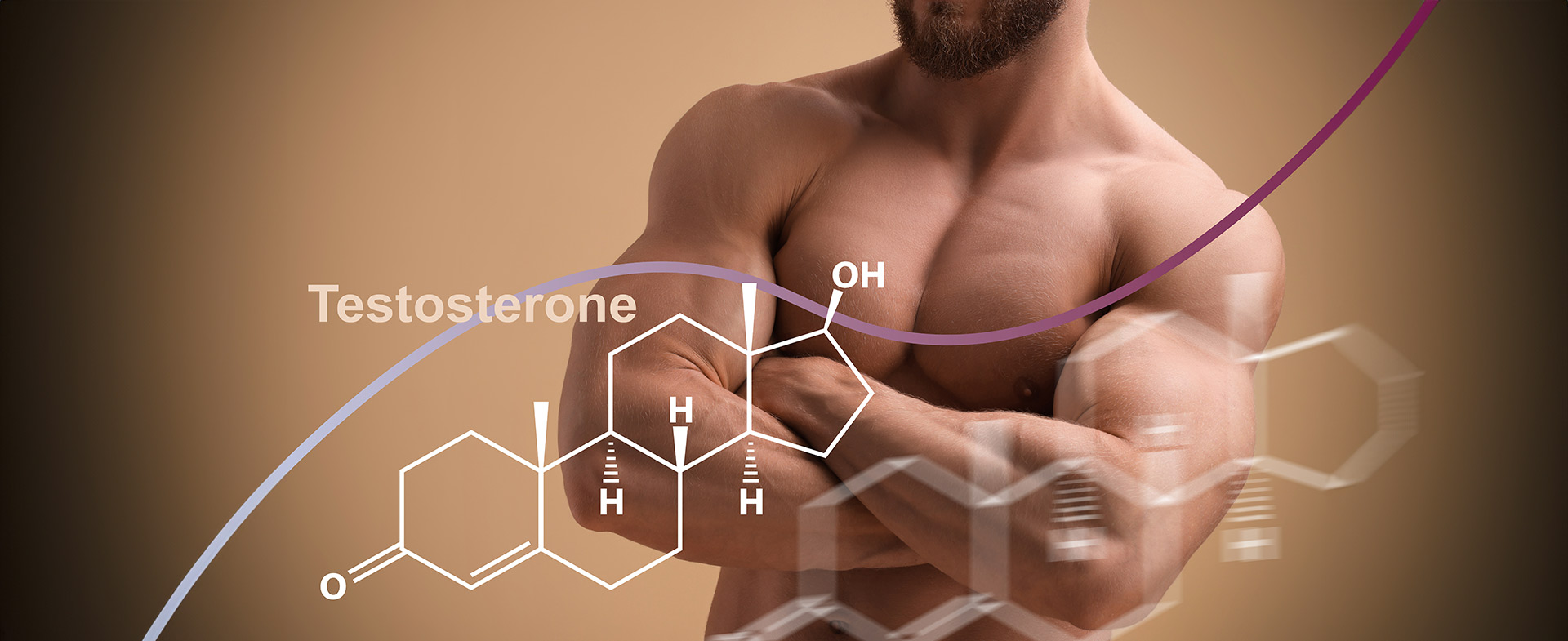
Signs of Low Testosterone in Men in Dallas
Signs of low testosterone in men in Dallas, symptoms, and treatment options including testosterone replacement therapy and lifestyle changes.
Read Blog
How Much Does Male Enhancement Cost?
Discover male enhancement costs in Dallas, including surgery, injections, girth enhancement, and consultation options.
Read Blog
Can Botox Cause Cancer? A Complete Guide
Explore Botox safety for cosmetic and medical purposes. Understand cancer risk, scientific evidence, and expert guidance for informed decisions.
Read Blog
Is Laser Fat Removal Safe ?
Laser fat removal is safe, how treated fat cells respond, and the results you can expect from this minimally invasive body contouring procedure.
Read Blog.jpg)
Ozempic Sexual Side Effects
GLP-1 medications can affect testosterone, libido and erections. What the research actually found, and what to do if you are taking one.
Read Blog
The Truth About Ozempic & Mounjaro
What rapid GLP-1 weight loss does to testosterone, muscle mass and sexual function in men, and how to protect against the tradeoffs.
Read Blog.jpg)
GLP-1 Drugs and Men’s Libido
GLP-1 drugs like Ozempic may lower men’s libido and affect erections due to brain, hormone, and vascular changes, though effects vary by individual.
Read Blog
Can Dehydration Cause Erectile Dysfunction
Dehydration can affect blood volume and erection quality, but it is rarely the whole story. When ED points to something that needs treating.
Read Blog
Can Vaping Cause Erectile Dysfunction
Vaping affects the same blood vessels as smoking. What the link to ED looks like, how reversible it is, and what recovery usually takes.
Read Blog
Laser Fat Removal: Does It Really Work?
Explore laser fat removal and find out if it really works, including how the procedure targets fat, expected results, and factors affecting effectiveness.
Read Blog
How to Prep for Laser Hair Removal ?
Learn how to prepare for laser hair removal with expert tips for safer sessions, smoother skin, faster healing, and the best long-lasting results.
Read Blog
TED Hair Restoration Cost
Discover the 2025 cost of TED Hair Restoration, factors affecting pricing, and what to expect for an effective and affordable hair restoration treatment.
Read Blog
Do Kegels Work for Men? Key Benefits
Whether pelvic floor exercises genuinely improve erections and bladder control in men, how to do them correctly, and how long results take.
Read Blog
Alma TED Hair Treatment Recovery Guide
Learn what to expect after your first Alma TED hair treatment, including recovery time, treatment results, and post-care recommendations.
Read Blog.webp)
Why Is My Hair Thinning ?
Wondering why your hair is thinning despite good health? Learn hidden causes like hormones, stress, and nutrient deficiencies.
Read Blog
Hair Loss in Men: Beyond Genetics
Learn when hair loss in men is more than genetics and what medical, hormonal, or lifestyle factors may be causing thinning hair.
Read Blog
Early Signs of Erectile Dysfunction
The early signs of ED are easy to dismiss and are often the first warning of a vascular problem. What to watch for and when to get evaluated.
Read Blog.webp)
What Causes Low Testosterone in Men Over 40?
Learn what causes low testosterone in men over 40, common symptoms, and treatment options to restore balance and vitality.
Read Blog.webp)
Testosterone Replacement Cause Hair Loss
TRT can raise DHT and speed up hair loss in men who are genetically predisposed. How likely that is, and what protects against it.
Read Blog.webp)
Low Testosterone And Hair Loss
Learn how low testosterone affects hair loss, what causes it, and how Dallas Men’s Health treats hormone-related hair thinning and restoration.
Read Blog.webp)
How to Get Rid of Curvature at Home
Learn safe, realistic options for addressing penile curvature at home and when professional medical treatment is recommended.
Read Blog.webp)
Medical Weight Loss for Men
Explore medical weight loss for men focused on regaining energy, strength, hormone balance, and long-term health control.
Read Blog
Nicotine and ED: Understanding the Connection
Nicotine narrows the vessels that carry blood to the penis. How quickly erections recover after quitting, and what helps in the meantime.
Read Blog
Real Ways to Increase Length
Explore real, medically supported ways to increase penis length, including what works, what doesn’t, and realistic expectations.
Read Blog
Penile Enhancement Options & Procedures
Considering penile enhancement? Explore non-surgical options like GirthPro and RegeneGro, as well as surgical procedures offered by Dallas Men's Health.
Read Blog
Testosterone Replacement Therapy Guide
A guide to navigating testosterone replacement therapy (TRT), including benefits, risks, and achieving optimal wellness.
Read Blog
Non-Surgical Hair Restoration
Explore non-surgical hair restoration treatments including PRP, PRF, TED, ISM, medications, and lifestyle tips for hair regrowth.
Read Blog
Is Your Men’s Health Clinic Legit?
Wondering if a men's health clinic is legit? Learn key signs of a reputable clinic, red flags to watch for, and how to choose the right provider.
Read Blog
How Urology Plays into Hair Loss
Explore the connection between urology and hair loss. Learn how hormonal imbalances, medications, and urological health impact hair growth.
Read Blog
What Is the P-Shot? Benefits & Frequency
Discover the P-Shot, its benefits, and how often it’s needed for optimal results. Learn how this treatment can enhance performance and wellness.
Read Blog
Sciatica and Erectile Dysfunction Treatment
Sciatica and ED can share a nerve root cause. How to tell which is driving your symptoms, and which treatments address both at once.
Read Blog
Can Weight Cause Erectile Dysfunction ?
Learn how being overweight can contribute to erectile dysfunction and how weight management may improve sexual health and performance.
Read Blog
Shockwave Therapy for ED: How It Works
Learn how shockwave therapy works for erectile dysfunction, its benefits, and why it’s a non-invasive treatment option for men.
Read Blog
Botox for Scrotal Rejuvenation
Learn how Botox supports scrotal rejuvenation by improving comfort, appearance, and relaxation in a non-surgical way.
Read Blog
Non Surgical Penile Enlargement
Explore non-surgical penile enlargement options, including benefits, safety, and realistic expectations for enhancement.
Read Blog
Stress And Men's Sexual Health
Discover how stress and anxiety impact men’s sexual health and learn actionable strategies to combat it. Explore tailored solutions at Dallas Men's Health.
Read Blog
Does Drinking Water Help You Sexually?
Hydration affects blood flow and erections, but only to a point. What the connection actually is, and the more common reasons performance changes.
Read Blog
Foods That Increase Libido
Which foods have real evidence behind them for testosterone, blood flow and libido, and which are marketing. From a Dallas urology practice.
Read Blog
The Sexual Side Effects of Adderall
Adderall can change libido, erection quality and orgasm. What tends to be reversible, what does not, and when the change is worth getting checked.
Read Blog
How Does Electrical Muscle Stimulation Work?
What electrical muscle stimulation does to muscle tissue, what it is used to treat, and where the clinical evidence actually stands.
Read Blog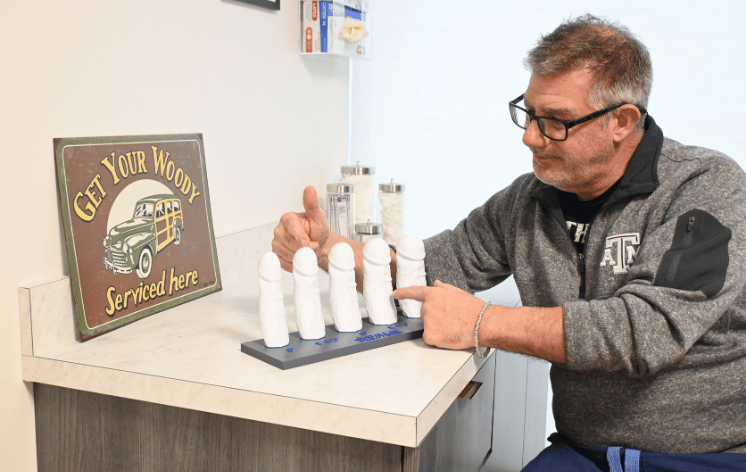
How to Get More Girth and Length
Learn safe, doctor-reviewed options to increase penile girth and length, including non-surgical treatments at Dallas Men's Health.
Read Blog
Best and Worst Foods for Erectile Dysfunction
Which foods have actual evidence for erectile function and which are internet myth, separated out by a Dallas urology practice.
Read Blog
Erectile Dysfunction Exam Guide
Find out what to expect during an erectile dysfunction exam, including evaluations, tests, and next steps in treatment.
Read Blog
How P-Shot Work for Erectile Dysfunction?
Learn how quickly the P-Shot® may work for erectile dysfunction, what results to expect, and factors that influence treatment success.
Read Blog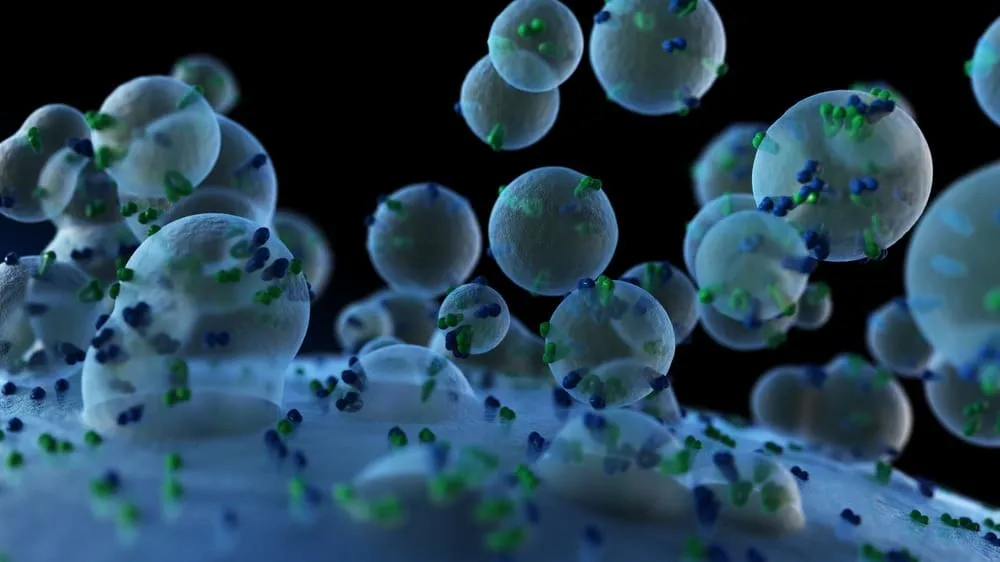
The Role of Exosomes in Cell Communication
Explore the role of exosomes in cell-to-cell communication and their growing importance in regenerative medicine.
Read Blog
Understanding Erectile Dysfunction: Causes, Solutions, and Treatments
Understand the causes of erectile dysfunction and explore modern solutions and treatments to restore confidence and performance.
Read Blog
The P-Shot and Relationships: How It Can Impact Your Partnership
Learn how the P-Shot® can impact relationships by improving confidence, intimacy, and sexual satisfaction.
Read Blog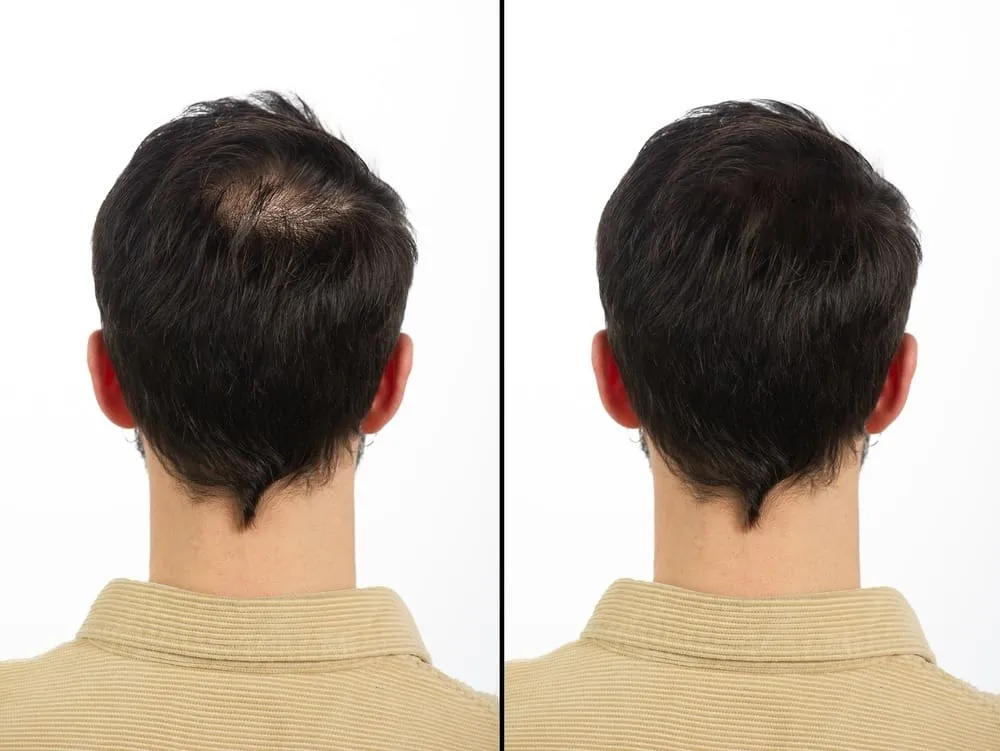
Hair Loss and Mental Health: How Alma TED™ Restoration Can Make a Difference
Explore the link between hair loss and mental health and how Alma TED™ hair restoration can restore confidence and emotional well-being.
Read Blog
A Comprehensive Guide on How to Make Erections Last Longer
Practical ways to improve erection quality and duration, and how to tell when the cause is medical and worth treating rather than managing.
Read Blog
Is the P-Shot® Right for You? Factors to Consider
Learn if the P-Shot® is right for you by exploring key factors, benefits, and considerations for erectile dysfunction treatment.
Read Blog