
Signs of Low Testosterone in Men in Dallas
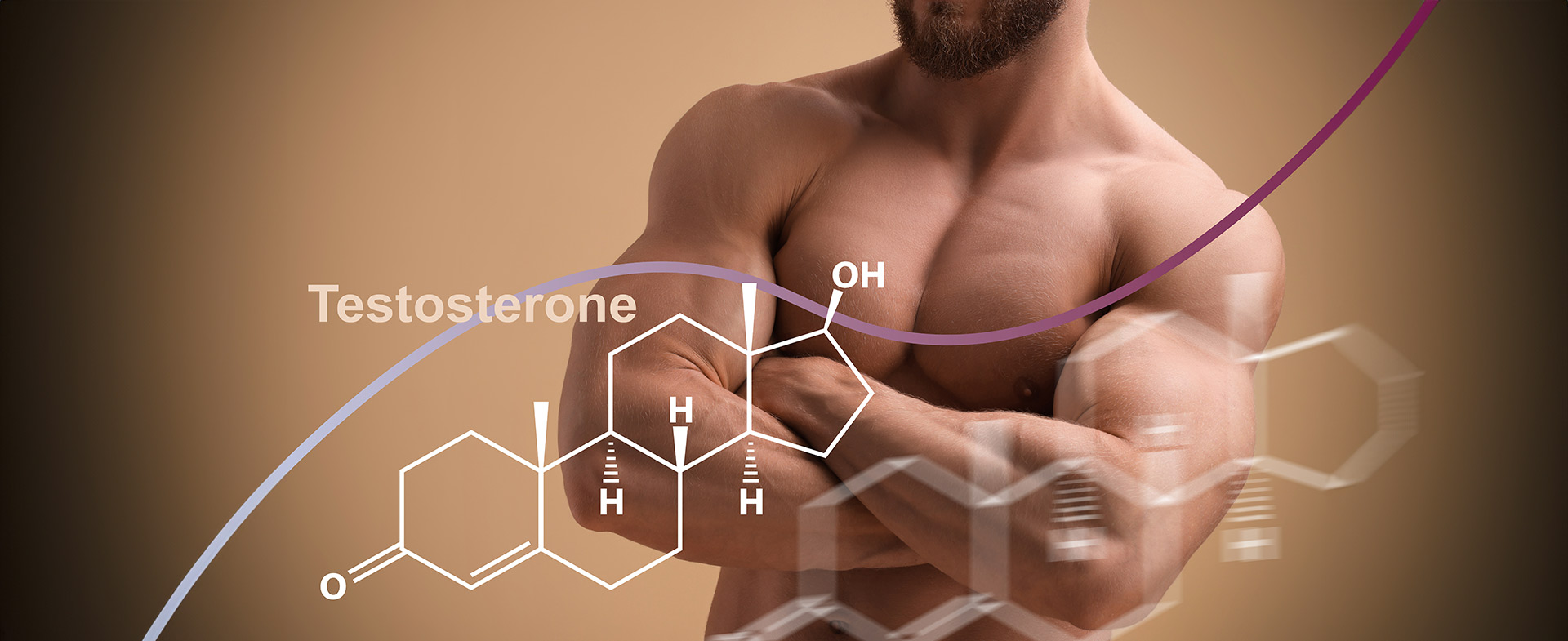
Low testosterone in men, also known as low T, affects energy levels, sexual function, mood, and overall health. Testosterone is the primary male sex hormone responsible for maintaining muscle mass, bone density, libido, and hormonal balance. Many men in Dallas experience a natural decline in testosterone as they age, while lifestyle factors, medical conditions, and stress can negatively impact testosterone production. Recognizing the signs of low testosterone early allows men in Dallas to seek timely medical evaluation, personalized treatment, and improved quality of life.
Understanding Low Testosterone
Testosterone levels naturally decrease as men age, starting around 30. This decline can cause fatigue, low sex drive, reduced muscle mass, increased belly fat, mood swings, and decreased energy. Men may notice reduced motivation, difficulty concentrating, and lower performance in daily activities. Low testosterone levels also affect bone density, increasing the risk of fractures, and may contribute to heart health issues over time.
Men in Dallas who experience these symptoms can benefit from consulting healthcare providers who offer testosterone replacement therapy to restore hormone levels, enhance energy, improve sexual function, and maintain overall well being.
Hormonal imbalances can occur when hormone production is disrupted. Medical conditions such as kidney disease, diabetes, and obesity can further decrease testosterone production. Many men overlook these changes until they notice low T symptoms like erectile dysfunction, decreased libido, or loss of muscle mass. Blood tests measuring total testosterone, luteinizing hormone, and follicle stimulating hormone are essential for accurate diagnosis.
Common Symptoms of Low Testosterone
Recognizing low testosterone symptoms early can prevent long-term health issues. Common symptoms include decreased libido, erectile dysfunction, fatigue, reduced muscle mass, increased belly fat, mood swings, and sleep disturbances. Men may also experience loss of body hair, a deeper voice, and changes in overall sex drive. Persistent low energy and difficulty maintaining muscle mass during exercise are additional indicators.
Mood swings, irritability, and depression can occur alongside physical symptoms. Reduced testosterone levels can negatively impact brain function, resulting in low motivation, difficulty focusing, and decreased confidence. Men in Dallas experiencing these changes should consider hormone testing to determine if low testosterone is contributing to their symptoms.
How Low Testosterone Affects Physical Health
Physical transformations are often noticeable in men with low T. Loss of muscle mass and strength can make exercise more difficult, while decreased bone density increases the risk of fractures. Low testosterone contributes to fat accumulation in the abdominal area, higher cholesterol, and reduced insulin sensitivity, all of which increase the risk of heart disease and metabolic issues.
Maintaining regular physical activity, including resistance training and cardiovascular exercise, helps support natural testosterone production. Nutrition plays a critical role, and a diet rich in healthy fats, lean protein, and essential micronutrients like zinc and vitamin D supports hormone balance. Men in Dallas who adopt these lifestyle changes often see improvements in muscle mass, energy levels, and overall well being.
Sexual Health and Testosterone
Testosterone is essential for sexual function. Low testosterone can result in decreased libido, erectile dysfunction, and reduced sperm production. Men may notice changes in sex organs, diminished sex drive, and difficulties achieving erections. Testosterone therapy, hormone replacement therapy, or testosterone supplements can restore healthy testosterone levels, improve sexual function, and increase energy.
A personalized treatment plan tailored to each individual’s hormone levels and lifestyle can deliver optimal results. Men in Dallas seeking guidance for testosterone deficiency can schedule consultations to receive comprehensive evaluation, blood tests, and professional recommendations.
Lifestyle Factors That Affect Testosterone
Lifestyle factors heavily influence testosterone levels. Chronic stress, poor nutrition, excessive alcohol consumption, sedentary behavior, and insufficient sleep negatively impact hormone production. Men in Dallas who prioritize regular exercise, a healthy diet, quality sleep, and stress management support natural testosterone production. Losing weight, incorporating healthy fats, and engaging in consistent physical activity can improve hormone balance without requiring medical intervention.
Strength training, resistance exercise, and cardiovascular workouts are particularly effective at promoting testosterone production and maintaining muscle mass. Men who combine these activities with proper nutrition often experience more energy, better mood, enhanced sex drive, and improved overall well being.
Diagnosing Low Testosterone
Diagnosis involves physical exams, symptom review, and blood tests. Healthcare providers assess total testosterone, free testosterone, luteinizing hormone, and follicle stimulating hormone levels to determine the root cause of low testosterone. Early evaluation ensures accurate diagnosis, guides treatment options, and helps men maintain energy, sexual function, and hormone balance.
Men in Dallas experiencing persistent fatigue, decreased libido, or erectile dysfunction are encouraged to schedule consultations with specialized clinics to monitor hormone levels and develop personalized treatment plans.
Treatment Options for Low Testosterone
Treatment options vary based on cause and severity. Testosterone therapy and hormone replacement therapy are commonly used to restore testosterone levels. Testosterone pellets, injections, or topical applications can provide controlled and effective hormone replacement. Men in Dallas often achieve optimal results when lifestyle changes complement medical interventions, including regular exercise, stress management, and a nutrient-rich diet.
Healthcare providers create personalized treatment plans to restore hormone balance while minimizing side effects. Regular monitoring ensures men maintain healthy testosterone levels and reduce risks associated with untreated low testosterone, such as heart disease, kidney disease, and reduced bone density.
FAQ-Style Guidance
How do I know if I have low testosterone?
Men may experience persistent fatigue, decreased libido, erectile dysfunction, reduced muscle mass, mood swings, and changes in body composition. Blood tests measuring total testosterone and related hormones provide accurate diagnosis.
Can lifestyle changes improve testosterone naturally?
Yes, regular exercise, strength training, cardiovascular activity, quality sleep, stress reduction, and a healthy diet with lean protein and healthy fats support natural testosterone production and maintain hormonal balance.
What treatment options are available in Dallas?
Men can access testosterone replacement therapy and personalized hormone replacement therapy at clinics in Dallas. Providers offer tailored treatment plans including lifestyle recommendations, blood monitoring, and ongoing support.
Are there risks to low testosterone if untreated?
Untreated low testosterone can increase risk of heart disease, kidney disease, reduced bone density, metabolic issues, weight gain, and decreased overall well being.
How can I schedule a consultation in Dallas?
Men seeking evaluation for low testosterone in Dallas can contact Dallas Men's Health for comprehensive assessment, blood testing, and personalized treatment options.
Taking Action and Improving Well Being
Men experiencing symptoms of low testosterone should seek evaluation promptly. Early detection enables personalized treatment plans, restores energy levels, enhances sexual function, improves mood, and maintains muscle mass. Combining professional treatment with lifestyle changes ensures optimal results and long-term health.
For men in Dallas, access to specialized healthcare providers makes it easier to receive comprehensive hormone testing, accurate diagnosis, and tailored treatment options. Taking the first step toward evaluation can significantly improve overall well-being and long-term health outcomes.
More Blogs
What Are the Treatments for Erectile Dysfunction?
Learn about erectile dysfunction treatments, available options, causes, and personalized care to improve sexual health and confidence.
Read Blog
What Is a No-Shave FUE Hair Transplant?
Learn what a no-shave FUE hair transplant is, how it works, recovery expectations, benefits, and whether it is the right hair restoration option for you.
Read Blog
How Long Does the P Shot Last?
Learn how long the P Shot lasts, what affects results, and how to maintain improvements with expert care and healthy lifestyle habits.
Read Blog
How Much Does Male Enhancement Cost?
Discover male enhancement costs in Dallas, including surgery, injections, girth enhancement, and consultation options.
Read Blog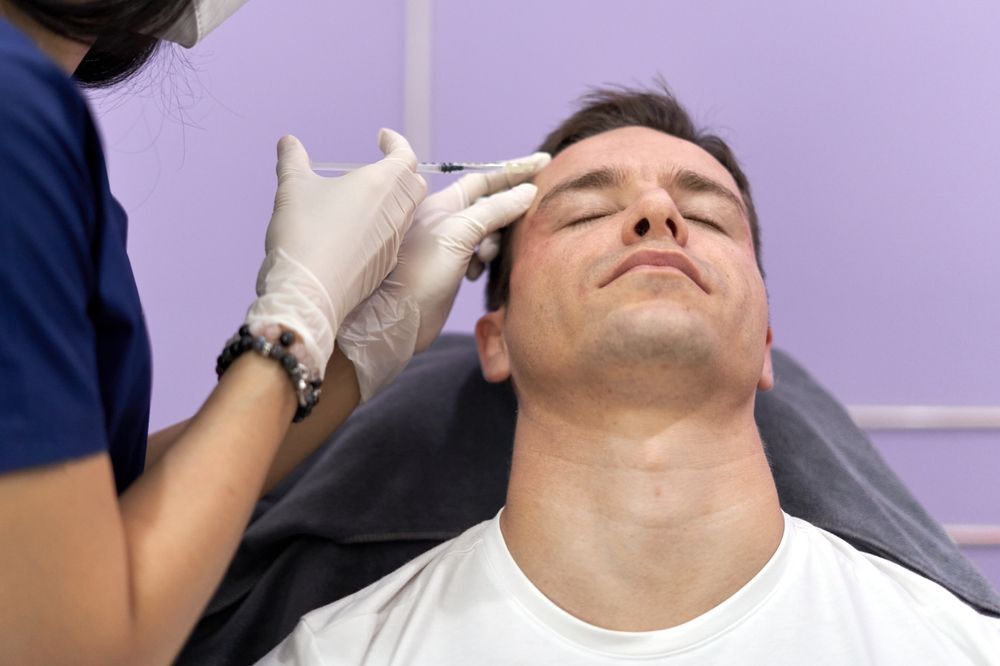
Can Botox Cause Cancer? A Complete Guide
Explore Botox safety for cosmetic and medical purposes. Understand cancer risk, scientific evidence, and expert guidance for informed decisions.
Read Blog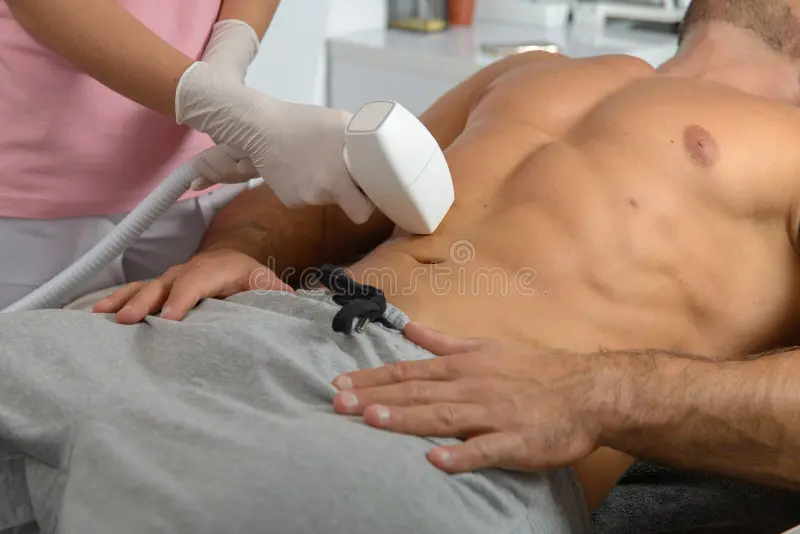
Is Laser Fat Removal Safe ?
Laser fat removal is safe, how treated fat cells respond, and the results you can expect from this minimally invasive body contouring procedure.
Read Blog.jpg)
Ozempic Sexual Side Effects
GLP-1 medications can affect testosterone, libido and erections. What the research actually found, and what to do if you are taking one.
Read Blog
The Truth About Ozempic & Mounjaro
What rapid GLP-1 weight loss does to testosterone, muscle mass and sexual function in men, and how to protect against the tradeoffs.
Read Blog.jpg)
GLP-1 Drugs and Men’s Libido
GLP-1 drugs like Ozempic may lower men’s libido and affect erections due to brain, hormone, and vascular changes, though effects vary by individual.
Read Blog
Can Dehydration Cause Erectile Dysfunction
Dehydration can affect blood volume and erection quality, but it is rarely the whole story. When ED points to something that needs treating.
Read Blog
Can Vaping Cause Erectile Dysfunction
Vaping affects the same blood vessels as smoking. What the link to ED looks like, how reversible it is, and what recovery usually takes.
Read Blog
Laser Fat Removal: Does It Really Work?
Explore laser fat removal and find out if it really works, including how the procedure targets fat, expected results, and factors affecting effectiveness.
Read Blog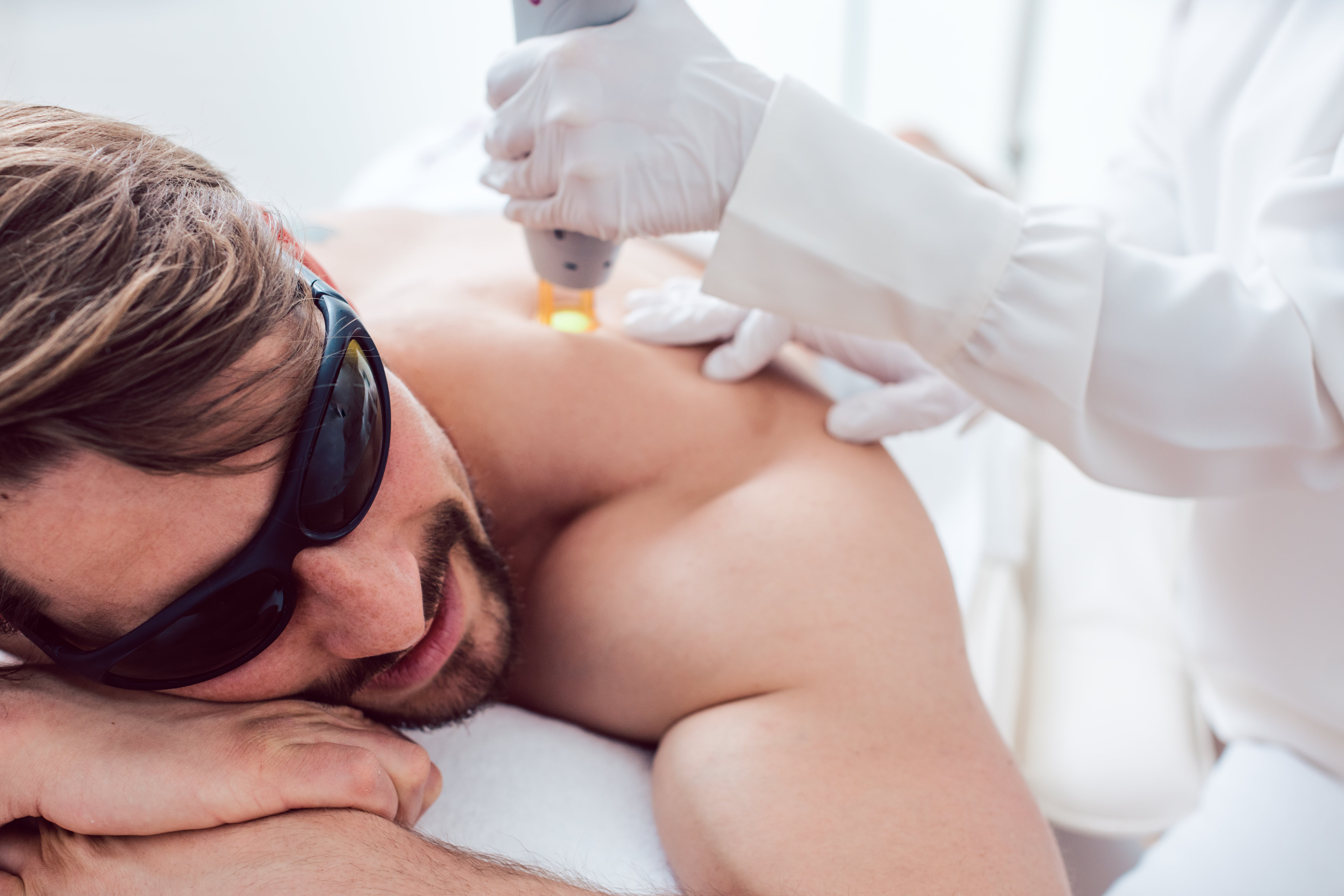
How to Prep for Laser Hair Removal ?
Learn how to prepare for laser hair removal with expert tips for safer sessions, smoother skin, faster healing, and the best long-lasting results.
Read Blog
TED Hair Restoration Cost
Discover the 2025 cost of TED Hair Restoration, factors affecting pricing, and what to expect for an effective and affordable hair restoration treatment.
Read Blog
Do Kegels Work for Men? Key Benefits
Whether pelvic floor exercises genuinely improve erections and bladder control in men, how to do them correctly, and how long results take.
Read Blog
Alma TED Hair Treatment Recovery Guide
Learn what to expect after your first Alma TED hair treatment, including recovery time, treatment results, and post-care recommendations.
Read Blog.webp)
Why Is My Hair Thinning ?
Wondering why your hair is thinning despite good health? Learn hidden causes like hormones, stress, and nutrient deficiencies.
Read Blog
Hair Loss in Men: Beyond Genetics
Learn when hair loss in men is more than genetics and what medical, hormonal, or lifestyle factors may be causing thinning hair.
Read Blog
Early Signs of Erectile Dysfunction
The early signs of ED are easy to dismiss and are often the first warning of a vascular problem. What to watch for and when to get evaluated.
Read Blog.webp)
What Causes Low Testosterone in Men Over 40?
Learn what causes low testosterone in men over 40, common symptoms, and treatment options to restore balance and vitality.
Read Blog.webp)
Testosterone Replacement Cause Hair Loss
TRT can raise DHT and speed up hair loss in men who are genetically predisposed. How likely that is, and what protects against it.
Read Blog.webp)
Low Testosterone And Hair Loss
Learn how low testosterone affects hair loss, what causes it, and how Dallas Men’s Health treats hormone-related hair thinning and restoration.
Read Blog.webp)
How to Get Rid of Curvature at Home
Learn safe, realistic options for addressing penile curvature at home and when professional medical treatment is recommended.
Read Blog.webp)
Medical Weight Loss for Men
Explore medical weight loss for men focused on regaining energy, strength, hormone balance, and long-term health control.
Read Blog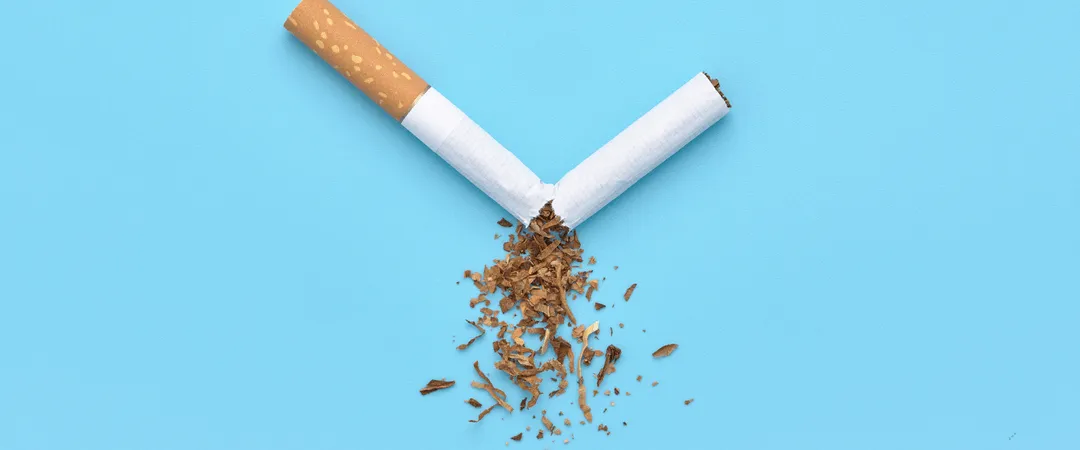
Nicotine and ED: Understanding the Connection
Nicotine narrows the vessels that carry blood to the penis. How quickly erections recover after quitting, and what helps in the meantime.
Read Blog
How to Increase Testosterone
Explore proven ways to increase testosterone naturally and medically to boost energy, muscle strength, mood, and overall sexual health.
Read Blog
Real Ways to Increase Length
Explore real, medically supported ways to increase penis length, including what works, what doesn’t, and realistic expectations.
Read Blog
Penile Enhancement Options & Procedures
Considering penile enhancement? Explore non-surgical options like GirthPro and RegeneGro, as well as surgical procedures offered by Dallas Men's Health.
Read Blog
Testosterone Replacement Therapy Guide
A guide to navigating testosterone replacement therapy (TRT), including benefits, risks, and achieving optimal wellness.
Read Blog
Non-Surgical Hair Restoration
Explore non-surgical hair restoration treatments including PRP, PRF, TED, ISM, medications, and lifestyle tips for hair regrowth.
Read Blog
Is Your Men’s Health Clinic Legit?
Wondering if a men's health clinic is legit? Learn key signs of a reputable clinic, red flags to watch for, and how to choose the right provider.
Read Blog
How Urology Plays into Hair Loss
Explore the connection between urology and hair loss. Learn how hormonal imbalances, medications, and urological health impact hair growth.
Read Blog
What Is the P-Shot? Benefits & Frequency
Discover the P-Shot, its benefits, and how often it’s needed for optimal results. Learn how this treatment can enhance performance and wellness.
Read Blog
Sciatica and Erectile Dysfunction Treatment
Sciatica and ED can share a nerve root cause. How to tell which is driving your symptoms, and which treatments address both at once.
Read Blog
Can Weight Cause Erectile Dysfunction ?
Learn how being overweight can contribute to erectile dysfunction and how weight management may improve sexual health and performance.
Read Blog
Shockwave Therapy for ED: How It Works
Learn how shockwave therapy works for erectile dysfunction, its benefits, and why it’s a non-invasive treatment option for men.
Read Blog
Botox for Scrotal Rejuvenation
Learn how Botox supports scrotal rejuvenation by improving comfort, appearance, and relaxation in a non-surgical way.
Read Blog
Non Surgical Penile Enlargement
Explore non-surgical penile enlargement options, including benefits, safety, and realistic expectations for enhancement.
Read Blog
Stress And Men's Sexual Health
Discover how stress and anxiety impact men’s sexual health and learn actionable strategies to combat it. Explore tailored solutions at Dallas Men's Health.
Read Blog
Does Drinking Water Help You Sexually?
Hydration affects blood flow and erections, but only to a point. What the connection actually is, and the more common reasons performance changes.
Read Blog
Foods That Increase Libido
Which foods have real evidence behind them for testosterone, blood flow and libido, and which are marketing. From a Dallas urology practice.
Read Blog
The Sexual Side Effects of Adderall
Adderall can change libido, erection quality and orgasm. What tends to be reversible, what does not, and when the change is worth getting checked.
Read Blog
How Does Electrical Muscle Stimulation Work?
What electrical muscle stimulation does to muscle tissue, what it is used to treat, and where the clinical evidence actually stands.
Read Blog
How to Get More Girth and Length
Learn safe, doctor-reviewed options to increase penile girth and length, including non-surgical treatments at Dallas Men's Health.
Read Blog
Best and Worst Foods for Erectile Dysfunction
Which foods have actual evidence for erectile function and which are internet myth, separated out by a Dallas urology practice.
Read Blog
Erectile Dysfunction Exam Guide
Find out what to expect during an erectile dysfunction exam, including evaluations, tests, and next steps in treatment.
Read Blog
How P-Shot Work for Erectile Dysfunction?
Learn how quickly the P-Shot® may work for erectile dysfunction, what results to expect, and factors that influence treatment success.
Read Blog
The Role of Exosomes in Cell Communication
Explore the role of exosomes in cell-to-cell communication and their growing importance in regenerative medicine.
Read Blog
Understanding Erectile Dysfunction: Causes, Solutions, and Treatments
Understand the causes of erectile dysfunction and explore modern solutions and treatments to restore confidence and performance.
Read Blog
The P-Shot and Relationships: How It Can Impact Your Partnership
Learn how the P-Shot® can impact relationships by improving confidence, intimacy, and sexual satisfaction.
Read Blog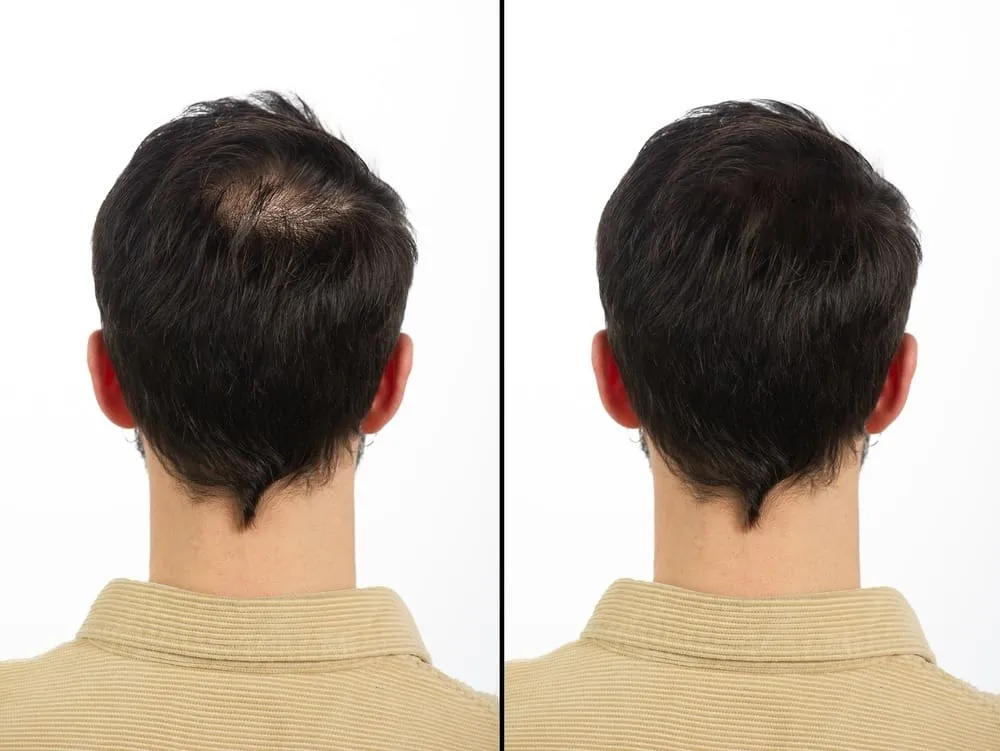
Hair Loss and Mental Health: How Alma TED™ Restoration Can Make a Difference
Explore the link between hair loss and mental health and how Alma TED™ hair restoration can restore confidence and emotional well-being.
Read Blog
A Comprehensive Guide on How to Make Erections Last Longer
Practical ways to improve erection quality and duration, and how to tell when the cause is medical and worth treating rather than managing.
Read Blog
Is the P-Shot® Right for You? Factors to Consider
Learn if the P-Shot® is right for you by exploring key factors, benefits, and considerations for erectile dysfunction treatment.
Read Blog