

How Urology Plays into Hair Loss

How Urology Plays into Hair Loss
Hair loss is a complex condition with multifactorial causes, involving genetic, hormonal, and environmental factors. While often managed within dermatology, the relationship between urology and hair loss—particularly androgenetic alopecia (AGA), commonly known as male pattern baldness—is significant. Hormonal mechanisms, including the role of dihydrotestosterone (DHT) and testosterone levels, connect urological health and hair loss. This article explores the pathogenesis, risk factors, and treatment options for hair loss, with a focus on the interplay between urology and dermatology.
Understanding Androgenetic Alopecia and Hair Loss Types
Androgenetic Alopecia
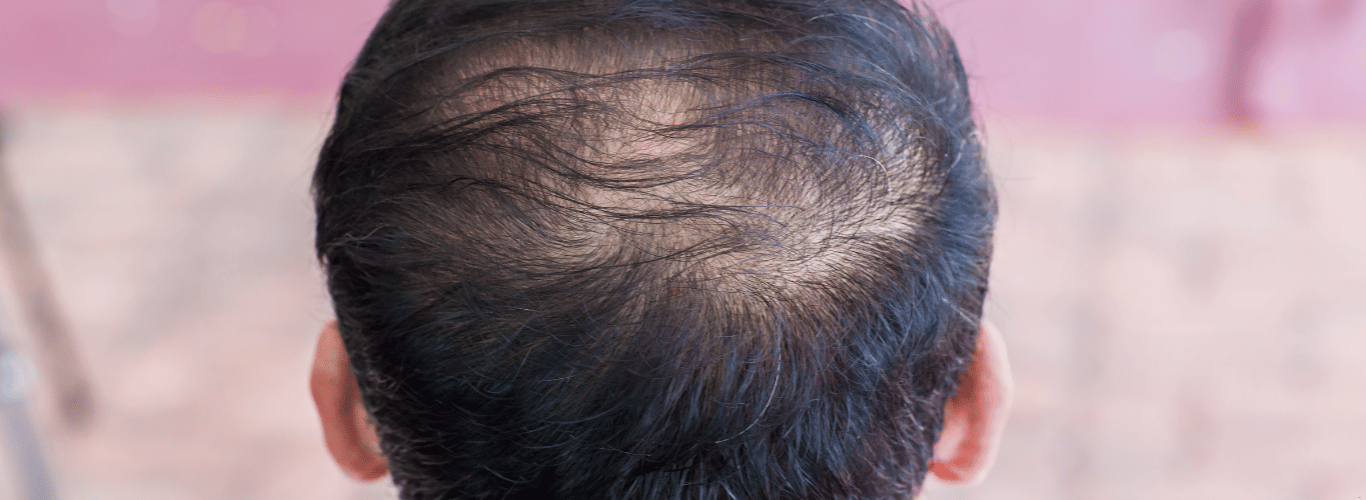
Androgenetic alopecia (AGA), or pattern hair loss, is the most common cause of hair thinning in both men and women. In men, it manifests as male pattern baldness, characterized by a receding hairline and hair loss at the vertex. Women experience female pattern hair loss, with diffuse thinning over the crown while preserving the frontal hairline.
The primary driver of AGA is the androgen DHT, a byproduct of testosterone converted by the 5-alpha-reductase enzyme. DHT binds to androgen receptors in hair follicles, triggering a process called miniaturization, where terminal hairs shrink and transition to fine, vellus-like hairs. This disrupts the anagen (growth) phase of the hair cycle, reducing hair regrowth and leading to progressive thinning.
Other Types of Hair Loss
- Alopecia Areata: An autoimmune condition causing patchy hair loss.
- Telogen Effluvium: Temporary hair shedding due to stress, hormonal changes, or illness.
- Traction Alopecia: Hair loss caused by certain hairstyles or mechanical stress on the scalp.
- Hair Loss Due to Medical Conditions: Disorders like thyroid disease or metabolic syndromes, including obesity, can exacerbate hair thinning.
Each type of hair loss has distinct etiology and requires tailored treatment options.
The Urological Connection to Hair Loss
The Role of DHT in Hair Loss and Urological Health
.webp)
DHT is a central figure in both AGA and certain urological conditions. Elevated levels of DHT contribute to the development of benign prostatic hyperplasia (BPH) and are linked to an increased risk of prostate cancer. In men, the balance between testosterone and DHT influences hair loss severity.
While DHT is vital for male development, its overactivity can harm hair follicles by shortening the anagen phase, accelerating miniaturization, and ultimately leading to male androgenetic alopecia. Conversely, in urology, excessive DHT levels are implicated in prostate enlargement and other androgen-driven disorders.
Testosterone Levels and Hair Loss
Fluctuations in testosterone levels also affect hair health. Low testosterone is associated with hair thinning and reduced new hair growth. Coincidentally, Testosterone replacement can also result in hair loss. Conditions like menopause in women and age-related hormonal decline in men can contribute to both pattern alopecia and urological health concerns.
Treatment Options for Androgenetic Alopecia
Managing AGA often involves addressing the hormonal imbalances driving the condition. Here are the most common treatment options, some of which overlap with urological therapies:
5-Alpha-Reductase Inhibitors
Medications like finasteride and dutasteride inhibit the 5-alpha-reductase enzyme, reducing the conversion of testosterone to DHT. These treatments are FDA-approved for both AGA and urological conditions like BPH.
- Finasteride: Commonly prescribed for male pattern baldness, finasteride slows hair loss and promotes hair regrowth by lowering scalp DHT levels.
- Dutasteride: More potent than finasteride, dutasteride is effective in managing both hair loss and BPH but is not FDA-approved for hair loss in all regions.
Side effects of these medications include reduced libido, erectile dysfunction, and potential long-term hormonal imbalances. Patients should be counseled on risks before starting therapy.
Minoxidil
Topical minoxidil is another FDA-approved option for AGA. It works by improving blood flow to the scalp, stimulating dormant hair follicles, and prolonging the anagen phase. Minoxidil is effective for both male and female pattern hair loss but may cause scalp irritation in some users.
Hair Transplant Surgery
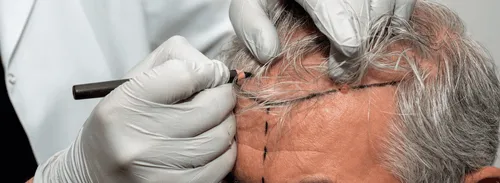
For advanced cases of AGA, hair transplant procedures offer a permanent solution. Follicular Unit Extraction (FUE) and Follicular Unit Transplantation (FUT) are common techniques. In FUE, individual follicular units are transplanted from donor areas to balding regions, restoring natural hairlines and density.
Dallas Men’s Health uses the most advanced transplant technology in the industry to provide men with the best cosmetic outcome possible. Our ARTAS robotic hair transplantation system guided by AI technology allows for a perfect transplant with less discomfort and fewer complications.
Interestingly, Urologists are among the first surgeons using robotics for surgery and continue to lead the medical community in robotic surgeries for cancer, transplants and many other major surgeries. We have robotic expertise not seen by other hair transplant providers. And, adding our RegeneGro products allows for even better results with quicker healing and much better health and survival of the transplanted FUs.
Regenerative Therapy with RegeneGro Products
Some patients do not need a sophisticated transplant. They either want to regrow the hair they lost or keep their hair from falling out. Our hair restoration program uses several different regenerative techniques to help regrow and restore the hair you lost and create healthier hair that is less prone to fall out.
Our products have been clinically shown to be highly effective while being minimally invasive and much less costly than a transplant. Our products include PRP hair restoration, PRF and stem cell products that utilize powerful antiinflammatory agents, immuno-stimulatory agents and growth factors to allow much healthier hair.
Hormonal Therapies
In women with female pattern hair loss, therapies targeting hormonal imbalances—such as anti-androgens or estrogen replacement during menopause—may improve hair density. Urologists often collaborate with dermatologists and endocrinologists to provide comprehensive care.
Urology and Its Broader Implications for Hair Loss
Prostate Health and Hair Loss Medications
The use of 5-alpha-reductase inhibitors for both AGA and BPH highlights the interplay between urology and dermatology. For instance, patients taking finasteride for benign prostatic hyperplasia may experience improved hair density as a secondary benefit. Conversely, men with a family history of prostate cancer should discuss the risks and benefits of these medications with their healthcare providers, as some studies suggest a link between finasteride use and altered prostate cancer detection rates.
Cardiovascular and Metabolic Risk Factors

Metabolic conditions, including obesity and insulin resistance, influence both hair loss and urological health. These factors may exacerbate systemic inflammation, contributing to accelerated hair thinning and increased urological risks. Comprehensive management of these risk factors can improve overall health outcomes.
The Importance of Multidisciplinary Care
Given the overlapping hormonal, metabolic, and physiological factors influencing hair loss, collaboration between dermatologists, urologists, and endocrinologists is essential. For example, a dermatologist may diagnose AGA and initiate treatment, while a urologist manages underlying hormonal imbalances or related urological conditions.
This multidisciplinary approach ensures that patients receive a personalized treatment plan addressing the root causes of hair loss and promoting long-term health.
Emerging Research and Future Directions
Studies on AGA and its connection to urological health are ongoing, with new insights emerging regularly. For instance, a recent systematic review published in the Journal of the American Academy of Dermatology (J Am Acad Dermatol) highlighted the role of DHT inhibitors in reducing the incidence of both hair loss and prostate-related conditions. Similarly, meta-analyses and research indexed in PubMed continue to refine our understanding of AGA’s pathophysiology and treatment options.
Future therapies may include:
- Supplements targeting hormonal balance and follicular health.
- Topical formulations combining minoxidil with anti-androgens for enhanced efficacy.
- Advanced regenerative techniques, such as cutaneous biopsy-derived growth factor therapies or stem cell applications.
Key Takeaways
Hair loss, particularly androgenetic alopecia, is deeply connected to hormonal and urological health. The interplay between DHT, testosterone, and the 5-alpha-reductase enzyme underscores the importance of addressing both dermatological and urological factors in managing hair thinning and hair regrowth.
Patients experiencing AGA or other forms of hair loss should consult healthcare providers specializing in dermatology and urology to develop a comprehensive and personalized care plan. By understanding the hormonal and metabolic underpinnings of hair loss, individuals can take proactive steps to improve their hairline and overall health.
Collaboration between specialists, evidence-based treatments like finasteride, and a focus on managing systemic risk factors will continue to shape the future of hair loss management.
FAQs About Urology and Hair Loss
Can urological medications like Finasteride reverse hair loss completely?
Finasteride, a 5-alpha-reductase inhibitor, can significantly slow down hair loss and even stimulate hair regrowth in many cases of androgenetic alopecia. However, it typically works best for maintaining existing hair and improving density, especially in the crown or vertex area. It is less effective at restoring a receded hairline. Complete reversal of hair loss is rare, and results vary based on the severity of the condition and individual response to the medication.
Does testosterone replacement therapy (TRT) worsen hair loss?
Yes, testosterone replacement therapy can potentially worsen hair loss in individuals predisposed to androgenetic alopecia. TRT increases circulating testosterone levels, which can be converted into dihydrotestosterone (DHT) by the 5-alpha-reductase enzyme. Higher DHT levels may accelerate hair follicle miniaturization, leading to faster hair thinning or shedding. Patients considering TRT should discuss potential risks with their urologist and explore preventative treatments for hair loss, such as Finasteride or Dutasteride.
Are there natural ways to lower DHT levels and reduce hair loss?
While medications like Finasteride and Dutasteride are the most effective ways to lower DHT levels, some natural options may help reduce its impact on hair loss. These include:
- Saw Palmetto: A supplement believed to inhibit DHT production.
- Pumpkin Seed Oil: Contains compounds that may reduce 5-alpha-reductase activity.
- Green Tea: Rich in polyphenols, which could help block DHT.
Though promising, these natural options have limited evidence compared to FDA-approved medications and should be discussed with a healthcare provider before use.
How does menopause influence female pattern hair loss?
Menopause can exacerbate female pattern hair loss due to declining estrogen levels and relatively higher androgen levels. Estrogen helps counteract the effects of androgens like DHT on hair follicles. As estrogen declines, DHT’s influence may increase, leading to hair thinning, especially along the crown. Hormone replacement therapy (HRT) or anti-androgen medications may be beneficial for women experiencing significant hair loss after menopause, but these treatments require careful evaluation by a healthcare provider.
Does stress from urological conditions like BPH contribute to hair loss?
Yes, chronic stress from managing urological conditions such as benign prostatic hyperplasia (BPH) can contribute to hair loss, particularly in the form of telogen effluvium. Stress disrupts the normal hair growth cycle, pushing more hairs into the shedding phase (telogen). Additionally, systemic inflammation linked to stress can worsen androgenetic alopecia. Managing stress through lifestyle changes, counseling, or treatment for the underlying urological condition can help minimize its impact on hair health.
More Blogs

Girth vs Length Enhancement: What’s the Difference?
Learn the difference between girth and length enhancement, including procedures, results, and options available.
Read Blog
How Male Enhancement Works: Step-by-Step Guide
Discover how male enhancement works, including surgical and nonsurgical options. Learn steps, risks, and results.
Read Blog
Surgical vs Non-Surgical Penis Enlargement: Which Option Is Better?
Compare surgical vs non-surgical penis enlargement, including results, risks, recovery time, and the safest option for size enhancement.
Read Blog
Who Is a Good Candidate for Male Enhancement Procedures?
Learn who qualifies for male enhancement procedures, including lengthening and girth options, candidacy criteria, and consultation requirements.
Read Blog
Is Male Enhancement Safe? Risks, Side Effects & Expert Insights
Learn about male enhancement safety, risks, side effects, and treatment options in Dallas. Expert insights on safe sexual health solutions.
Read Blog
How Much Does Male Enhancement Cost?
Discover male enhancement costs in Dallas, including surgery, injections, girth enhancement, and consultation options.
Read Blog
What Are the Benefits of Testosterone Replacement Therapy
The benefits of testosterone replacement therapy, including improved muscle mass, bone density, energy, sexual function, and overall well-being.
Read Blog
How Long Does Testosterone Replacement Therapy Take to Work
How long testosterone replacement therapy takes to work, with benefits for energy, mood, sexual function, muscle mass, and overall health.
Read Blog
Does Testosterone Replacement Therapy Cause Hair Loss
Explore how testosterone replacement therapy may affect hair loss, hair thinning, and male pattern baldness while maintaining hair health.
Read Blog
What Is a Medical Weight Loss Program
Learn what a medical weight loss program is and how it helps you safely lose weight with lifestyle changes and medical supervision.
Read Blog
How Many Units of Botox for Forehead
How many units of Botox for forehead lines are needed to smooth wrinkles, achieve natural results, and maintain a youthful appearance.
Read Blog
How to Prep for Laser Hair Removal
Learn how to prep for laser hair removal with expert tips on shaving, skincare, sun protection, and post-treatment care for optimal results.
Read Blog
Can Laser Hair Removal Cause Skin Cancer
Explore laser hair removal causes skin cancer and learn about safe, professional treatments for hair free skin with minimal risk.
Read Blog
Can Botox Cause Cancer? A Complete Evidence-Based Review
Explore Botox safety for cosmetic and medical purposes. Understand cancer risk, scientific evidence, and expert guidance for informed decisions.
Read Blog
What Is Letybo Treatment
Learn about Letybo treatment options for dynamic wrinkles and frown lines for a natural looking youthful appearance with minimal downtime.
Read Blog
Letybo vs Botox: In Depth Comparison of Modern Wrinkle Relaxers
Compare Letybo vs Botox for wrinkle treatment. Learn key differences results longevity cost and how each option fits different aesthetic goals.
Read Blog
How to Add Girth to Penis: Effective Methods and Realistic Results
Safe penile girth enhancement methods to increase penis size, boost sexual satisfaction, and achieve lasting results with expert guidance.
Read Blog
Is Laser Fat Removal Safe? A Complete Guide to Laser Lipolysis and Body Contouring
Laser fat removal is safe, how treated fat cells respond, and the results you can expect from this minimally invasive body contouring procedure.
Read Blog.jpg)
New Study Uncovers Ozempic’s Hidden Sexual Side Effects
A new study links Ozempic (semaglutide) to higher risk of ED and low testosterone in men. Absolute numbers are small but awareness is key.
Read Blog
The Psychological Impact of ED in the Ozempic Era
Ozempic may impact men’s sexual health, self-esteem, and masculinity. Understand psychological, relational, and emotional effects in the “Ozempic era
Read Blog
The Truth About Ozempic and Mounjaro Male Celebrities Don’t Share
Ozempic and Mounjaro may impact men’s sexual and hormonal health. Celebrity results can mislead; informed medical guidance is essential.
Read Blog.jpg)
Is Ozempic-Induced ED Temporary or Permanent?
Ozempic may cause erectile dysfunction in some men, but whether it's temporary or permanent remains unclear; monitoring and medical guidance are key.
Read Blog.jpg)
Why Ozempic and Other GLP-1 Drugs Could Affect Men’s Libido
GLP-1 drugs like Ozempic may lower men’s libido and affect erections due to brain, hormone, and vascular changes, though effects vary by individual.
Read Blog
Can Dehydration Cause Erectile Dysfunction
Whether dehydration can contribute to erectile dysfunction, how hydration affects sexual health, and tips to support better performance.
Read Blog
Can Vaping Cause Erectile Dysfunction
Learn whether vaping can cause erectile dysfunction and how nicotine and chemicals affect blood flow, hormones, and sexual performance.
Read Blog
Can You Workout After Laser Hair Removal
If you can workout after laser hair removal? Learn when it’s safe to exercise, how to care for treated skin, and the best way to protect your results
Read Blog
Can I Shave After Laser Hair Removal?
Learn when and how to shave after laser hair removal safely. Discover expert post-treatment care tips to prevent irritation, promote smooth recovery,
Read Blog
How Long Does Botox Last? Expert Guide to Results, Duration, and Aftercare
Learn how long Botox lasts, what affects results, and aftercare tips for smoother skin with lasting effects from expert Botox™ treatment in Dallas.
Read Blog
How Many Sessions for Laser Hair Removal?
How many sessions for laser hair removal are needed to achieve smooth, hair-free skin and lasting results tailored to your unique skin and hair type.
Read Blog
How Long Does Laser Hair Removal Take?
Explore how long laser hair removal takes, session times, and what to expect during your journey to smooth skin with Dallas Men’s Health experts.
Read Blog
Can You Do Laser Hair Removal While Pregnant?
Learn whether laser hair removal is safe during pregnancy, potential risks, and expert advice from Dallas Men’s Health for safe post-pregnancy treatments.
Read Blog
Laser Fat Removal: Does It Really Work?
Explore laser fat removal and find out if it really works, including how the procedure targets fat, expected results, and factors affecting effectiveness.
Read Blog
Is Laser Hair Removal Worth It? Everything You Need to Know Before Starting
Discover if laser hair removal is worth it with our complete guide, covering benefits, risks, costs, and what to expect before starting treatment.
Read Blog
How to Prep for Laser Hair Removal: Complete Guide for the Best Results
Learn how to prep for laser hair removal with our complete guide, including tips, dos and don’ts, and strategies for achieving the best, long-lasting results.
Read Blog
Does Weight Loss Cause Hair Loss? Causes, Prevention, and Recovery
Learn how weight loss can lead to hair loss, its underlying causes, prevention tips, and recovery strategies to maintain healthy, strong hair.
Read Blog
TED Hair Restoration Cost – Comprehensive Guide for 2025
Discover the 2025 cost of TED Hair Restoration, factors affecting pricing, and what to expect for an effective and affordable hair restoration treatment.
Read Blog
Alma TED Hair Restoration A Comprehensive Guide
Explore Alma TED Hair Restoration for men in Dallas, including the procedure, benefits, recovery, and why it’s a leading solution for hair loss and confidence.
Read Blog
Do Kegels Work for Men? What Every Man Should Know
Discover the benefits of Kegel exercises for men and assess their effectiveness. Learn how they can improve health and confidence—read the article now!
Read Blog.webp)
What Makes HairMax Memberships a Smart Investment for Hair Regrowth?
What makes HairMax memberships a smart investment for hair regrowth, long-term savings, and treatment consistency.
Read Blog.webp)
Best Affordable Hair Growth Solutions That Actually Work
Explore affordable hair growth solutions that actually work, including treatments, lifestyle changes, and expert-backed options.
Read Blog.webp)
Is Hair Restoration Worth the Cost? What to Know Before You Commit
Is hair restoration worth the cost? Learn about pricing, results, long-term benefits, and what to consider before committing to treatment.
Read Blog.webp)
Beard Transplantation: How It Works and Who It's Right For
Explore how beard transplantation works, who qualifies for the procedure, and how it creates fuller, natural-looking facial hair.
Read Blog
What to Expect After Your First Alma TED Hair Treatment
Learn what to expect after your first Alma TED hair treatment, including recovery time, treatment results, and post-care recommendations.
Read Blog
How Does Alma TED Compare to PRP and Hair Transplants?
Compare Alma TED, PRP, and hair transplants to understand differences, benefits, recovery time, and which hair restoration option fits your goals.
Read Blog.webp)
Why Is My Hair Thinning Even Though I'm Healthy?
Wondering why your hair is thinning despite good health? Learn hidden causes like hormones, stress, and nutrient deficiencies.
Read Blog
Laser Hair Removal for Women with PCOS: A Smarter Way to Manage Unwanted Hair
How laser hair removal helps women with PCOS safely reduce unwanted hair growth, improve skin confidence, and manage symptoms effectively.
Read Blog
Climaxing: What Every Man Should Know About Ejaculation
Learn what every man should know about ejaculation, climaxing, common concerns, and when changes may signal health issues.
Read Blog
How Diabetes Impacts Sexual Function and Hormone Balance
Learn how diabetes affects sexual function and hormone balance, and what men can do to manage these challenges.
Read Blog
Hair Loss in Men: When It's More Than Just Genetics
Learn when hair loss in men is more than genetics and what medical, hormonal, or lifestyle factors may be causing thinning hair.
Read Blog
Early Signs of Erectile Dysfunction You Shouldn't Ignore
Explore early signs of erectile dysfunction you shouldn’t ignore and learn when to seek professional treatment.
Read Blog.webp)
What Causes Low Testosterone in Men Over 40?
Learn what causes low testosterone in men over 40, common symptoms, and treatment options to restore balance and vitality.
Read Blog.webp)
Men's Health Is All Connected. Here’s What That Really Means
Learn how men’s health is interconnected and why addressing overall wellness improves sexual health and vitality.
Read Blog
Benefits of Kegel Exercises for Men
Explore how Kegel exercises can enhance men's health, improve pelvic strength, and boost confidence. Read more to start your fitness journey today!
Read Blog.webp)
How to Get Rid of Curvature at Home
Learn safe, realistic options for addressing penile curvature at home and when professional medical treatment is recommended.
Read Blog.webp)
Medical Weight Loss for Men: Regaining Energy, Strength, and Control
Explore medical weight loss for men focused on regaining energy, strength, hormone balance, and long-term health control.
Read Blog
Erectile Dysfunction and Heart Disease
Learn the connection between erectile dysfunction and heart disease, why ED can be an early warning sign, and when to seek medical care.
Read Blog
Nicotine and ED: Understanding the Connection Without Shame
Explore how nicotine affects erectile dysfunction and sexual health. Understand the connection and improve your well-being—read the article for insights.
Read Blog
How IV Therapy Can Boost Your Wellness and Recovery
Learn how IV therapy supports hydration, recovery, immunity, and overall wellness with targeted nutrient infusions.
Read Blog.webp)
Hair Restoration 101: Exploring PRP and NeoGraft for Thicker Hair
Hair restoration 101: explore PRP and NeoGraft options for thicker hair, including benefits, differences, and expected results.
Read Blog
How to Increase Testosterone – 12 Proven Ways to Boost Low T
Explore proven ways to increase testosterone naturally and medically to boost energy, muscle strength, mood, and overall sexual health.
Read Blog
Real Ways to Increase Length
Explore real, medically supported ways to increase penis length, including what works, what doesn’t, and realistic expectations.
Read Blog
Penile Enhancement Options & Procedures
Considering penile enhancement? Explore non-surgical options like GirthPro and RegeneGro, as well as surgical procedures offered by Dallas Men's Health.
Read Blog
Navigating Testosterone Replacement Therapy (TRT) for Optimal Wellness
A guide to navigating testosterone replacement therapy (TRT), including benefits, risks, and achieving optimal wellness.
Read Blog
Is Your Men’s Health Clinic Legit?
Wondering if a men's health clinic is legit? Learn key signs of a reputable clinic, red flags to watch for, and how to choose the right provider.
Read Blog
What is the P-Shot? Understanding Its Frequency and Benefits
Discover the P-Shot, its benefits, and how often it’s needed for optimal results. Learn how this treatment can enhance performance and wellness.
Read Blog
Understanding the Connection and Treatment Options for Sciatica and Erectile Dysfunction
Learn about treatment options for sciatica and erectile dysfunction and how nerve health may impact sexual performance.
Read Blog
Can Being Overweight Cause Erectile Dysfunction?
Learn how being overweight can contribute to erectile dysfunction and how weight management may improve sexual health and performance.
Read Blog
What Is Shockwave Therapy for Erectile Dysfunction and How Does It Work?
Learn how shockwave therapy works for erectile dysfunction, its benefits, and why it’s a non-invasive treatment option for men.
Read Blog
How Does Botox Help with Scrotal Rejuvenation?
Learn how Botox supports scrotal rejuvenation by improving comfort, appearance, and relaxation in a non-surgical way.
Read Blog
Non Surgical Penile Enlargement: Is Lengthening with RegeneGro Right for You?
Explore non-surgical penile enlargement options, including benefits, safety, and realistic expectations for enhancement.
Read Blog
How Does Stress Affect a Man Sexually? Understanding Its Silent Impact and How to Fight Back
Discover how stress and anxiety impact men’s sexual health and learn actionable strategies to combat it. Explore tailored solutions at Dallas Men's Health.
Read Blog
Does Drinking Water Help You Sexually? Understanding Hydration and Men's Sexual Health
Explore whether drinking water can improve sexual performance and how hydration affects blood flow, stamina, and erections.
Read Blog
Foods That Increase Libido: Boost Your Sexual Health with These 12 Superfoods
Discover the top 10 superfoods to enhance sexual health, improve stamina, and boost libido. Backed by science and easy to incorporate into your diet!
Read Blog
How Does Electrical Muscle Stimulation Work?
Learn how electrical muscle stimulation works, its benefits, and how it’s used in recovery, fitness, and medical treatments.
Read Blog
How to Get More Girth: Exploring Penile Girth Enhancement Options
Learn safe and effective ways to get more girth, including medical options, expectations, and expert guidance for enhancement.
Read Blog
Best and Worst Foods for Erectile Dysfunction: Separating Myth From Fact
Explore the best and worst foods for erectile dysfunction and separate common myths from proven health facts.
Read Blog
Are You a Good Candidate for Nonsurgical Laser Lipo?
Find out if you’re a good candidate for non-surgical laser lipo and how it helps target stubborn fat safely and effectively.
Read Blog.webp)
PRF vs. PRP for Hair Loss: Know Your Options
Compare PRF vs PRP for hair loss to understand key differences, benefits, effectiveness, and which treatment may suit you best.
Read Blog
The Benefits of PRF for Hair Restoration: A Comprehensive Overview
Explore the benefits of PRF for hair restoration, how it works, and why it’s gaining popularity as a natural treatment option.
Read Blog
Exciting Changes at Dallas Men’s Health
Exciting updates at Dallas Men’s Health, including new treatments, services, and improvements designed to enhance patient care.
Read Blog
How Penile Girth Enhancement Can Improve Sexual Relationships
How penile girth enhancement may improve confidence, intimacy, and satisfaction in sexual relationships and long-term partnerships.
Read Blog
The Future of Penis Girth Enhancement: Emerging Technologies and Innovations
Explore the future of penis girth enhancement, including emerging technologies, innovations, and advances in men’s sexual health.
Read Blog
7 Medical Conditions That Cause Erectile Dysfunction
Explore seven common medical conditions that can cause erectile dysfunction and why early diagnosis and treatment matter.
Read Blog
What To Expect During An Erectile Dysfunction Exam
Find out what to expect during an erectile dysfunction exam, including evaluations, tests, and next steps in treatment.
Read Blog
Is Erectile Dysfunction Permanent? What You Should Know.
Is erectile dysfunction permanent? Learn causes, treatment options, and what men should know about recovery.
Read Blog
Self Testing for Erectile Dysfunction
Learn about self-testing for erectile dysfunction, common warning signs, and when expert evaluation is recommended.
Read Blog
News & Events Erectile Treatments Beyond The Blue Pill
Stay updated on the latest news and events covering advanced erectile dysfunction treatments beyond traditional blue pill medications.
Read Blog
How Is An Enlarged Prostate Diagnosed?
Learn how an enlarged prostate is diagnosed, common tests used, symptoms to watch for, and when to see a specialist.
Read Blog
6 Signs of Low Testosterone
Explore six common signs of low testosterone, including fatigue, low libido, mood changes, and reduced muscle strength.
Read Blog
How Quickly Does the P-Shot Work for Erectile Dysfunction?
Learn how quickly the P-Shot® may work for erectile dysfunction, what results to expect, and factors that influence treatment success.
Read Blog
The Role of Exosomes in Cell-to-Cell Communication
Explore the role of exosomes in cell-to-cell communication and their growing importance in regenerative medicine.
Read Blog
Tips for Maintaining a Healthy and Satisfying Sex Life in Men
Get practical tips for maintaining a healthy and satisfying sex life, including lifestyle habits and wellness advice.
Read Blog
Understanding Erectile Dysfunction: Causes, Solutions, and Treatments
Understand the causes of erectile dysfunction and explore modern solutions and treatments to restore confidence and performance.
Read Blog
The P-Shot and Relationships: How It Can Impact Your Partnership
Learn how the P-Shot® can impact relationships by improving confidence, intimacy, and sexual satisfaction.
Read Blog
Understanding Platelet-Rich Fibrin Production: From Blood Draw to Clinical Use
Understand how platelet-rich fibrin (PRF) is produced and why it’s used in regenerative medicine and hair restoration treatments.
Read Blog.webp)
The Science Behind Alma TED™ Hair Restoration: How It Works
Explore the science behind Alma TED™ hair restoration and how this advanced technology promotes natural hair growth.
Read Blog
The Science Behind Penile Girth Enhancement: Exploring the Options
Understand the science behind penile girth enhancement, including techniques, safety, and expected outcomes.
Read Blog
Hair Loss and Mental Health: How Alma TED™ Restoration Can Make a Difference
Explore the link between hair loss and mental health and how Alma TED™ hair restoration can restore confidence and emotional well-being.
Read Blog
Beyond Calories: Exploring the Root Causes of Obesity
Look beyond calorie intake to explore root causes of obesity, including hormones, metabolism, lifestyle habits, and medical factors.
Read Blog
A Comprehensive Guide on How to Make Erections Last Longer
A complete guide on how to make erections last longer, covering lifestyle tips, medical treatments, and performance strategies.
Read Blog

