
Can Botox Cause Cancer? A Complete Guide
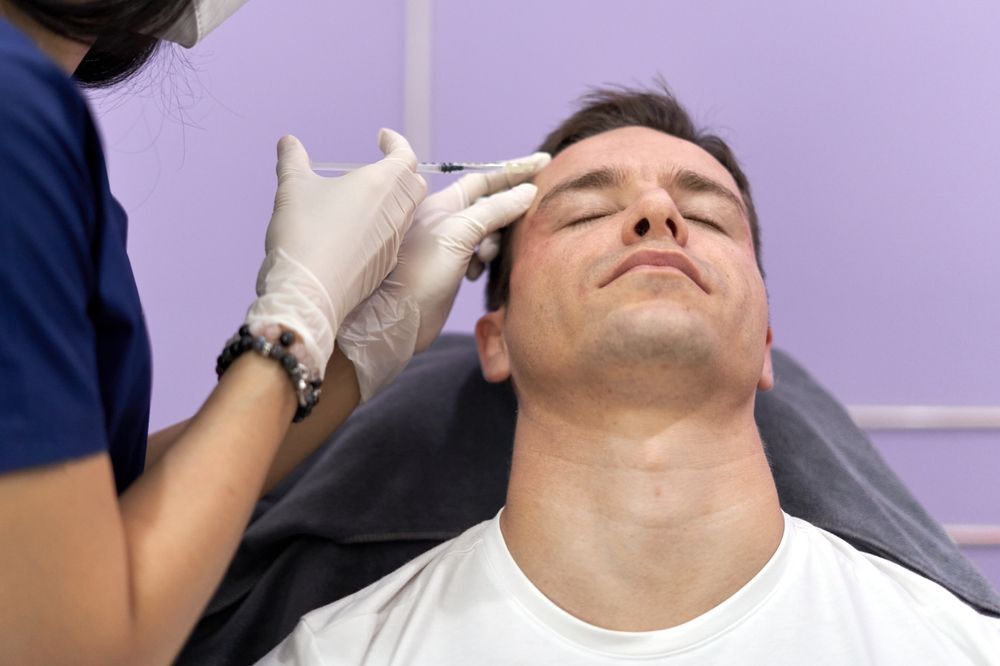
Botox has gained widespread recognition for its cosmetic and medical purposes. Millions of patients rely on botulinum toxin type A for smooth wrinkles, pain relief, chronic migraines, overactive bladder, muscle spasms, and other medical conditions. Despite its popularity, a common concern persists: can Botox cause cancer? This article examines scientific evidence, clinical trials, and expert opinions to clarify safety concerns, provide actionable insights, and help patients learn about Botox safety for informed decisions.
Understanding Botox and Its Medical Applications
Botox is a highly purified form of botulinum toxin, a protein produced by the bacterium Clostridium botulinum. Administered correctly, Botox works by temporarily blocking nerve signals at the neuromuscular junction. This process relaxes specific muscles, reducing facial lines, frown lines, and forehead lines. Botox injections are also used for therapeutic purposes, including cervical dystonia, excessive sweating, overactive bladder, and chronic migraines.
The clinical data demonstrates that Botox’s effect remains localized to the injection site, minimizing systemic toxicity. Temporary effects such as mild bruising, flu-like symptoms, drooping eyelids, or muscle weakness are usually mild and transient. When administered properly by qualified practitioners or experienced professionals, Botox maintains a robust safety profile for both cosmetic and medical purposes.
Botox Mechanism: How Botox Works
Botox treatments function by targeting specific muscles and temporarily blocking nerve signals responsible for muscle contraction. This temporary effect allows facial muscles to relax, which reduces dynamic wrinkles and smooth wrinkles for aesthetic improvement. For medical purposes, Botox injections relieve pain, reduce muscle spasms, treat migraines, and improve bladder function.
Animal studies and clinical trials confirm that botulinum toxin type A does not interfere with DNA, tumor growth, or cellular replication processes. As a result, there is no direct mechanism through which Botox could cause cancer development.
Scientific Evidence on Botox and Cancer Risk
Clinical Studies and Long-Term Botox Use
Numerous studies and clinical studies have explored the long term safety of Botox. Evidence from repeated injections over several years indicates no increased cancer risk among patients receiving Botox for cosmetic or medical purposes. Long term Botox use has been studied extensively in populations receiving treatments for chronic migraines, cervical dystonia, and other medical conditions. Clinical trials consistently report no link between Botox and tumor growth or cancer development.
Regulatory Authorities and Safety Oversight
Regulatory authorities, including the FDA and European medical boards, monitor Botox treatments for both medical and cosmetic applications. Purified form botulinum toxin has been approved for numerous medical applications, and post-market surveillance has not demonstrated an increased risk of cancer. Expert opinions reinforce that Botox, when administered by trained professionals, does not pose a risk for breast cancer or other malignancies. Patients seeking care should consult a trusted provider like Dallas Men’s Health Clinic for guidance on proper administration and individualized treatment.
Why People Worry About Botox and Cancer
Concerns about Botox causing cancer often stem from misunderstandings about botulinum toxin. The bacterium Clostridium botulinum can cause systemic toxicity in large amounts, but the highly purified doses used in Botox treatments are far below levels that could induce harm. Misinterpretation of temporary muscle weakness, local pain, or drooping eyelids as long-term systemic issues contributes to misconceptions.
Another source of concern is the widespread recognition of Botox for repeated injections in aesthetic treatments. People wonder whether repeated exposure could increase risk. Clinical data demonstrates that repeated injections, when administered correctly by qualified professionals, do not result in cumulative toxicity or increased cancer risk.
Botox in Cancer Patients and Therapeutic Uses
Interestingly, Botox has medical applications even for cancer patients. In some cancer treatment protocols, botulinum toxin is used to reduce local pain, manage muscle spasms, or alleviate discomfort caused by radiation therapy. These therapeutic uses illustrate that Botox can be safely administered to patients with specific concerns without increasing cancer development risk.
Expert Opinions and Clinical Data
Dermatologists, neurologists, and plastic surgeons provide consistent expert opinions: Botox does not cause cancer. Clinical studies and animal studies show no biological mechanism for botulinum toxin to induce tumor growth. Neuromuscular junction targeting ensures that Botox’s action is localized, temporarily blocking specific nerve signals without interfering with systemic processes linked to cancer.
Furthermore, long term Botox studies indicate sustained safety even for chronic medical purposes such as chronic migraines, overactive bladder, and muscle spasm management. Adverse effects, when experienced, are generally mild, including temporary effects like flu like symptoms or mild bruising at the injection site.
Safety Considerations for Botox Treatments
Proper Administration by Qualified Professionals
Administered properly, Botox injections are extremely safe. Qualified practitioners, trained professionals, and experienced professionals follow standardized protocols, selecting appropriate doses, injection sites, and intervals for both cosmetic and medical applications. Improper injection can lead to local complications, such as difficulty swallowing, drooping eyelids, or temporary muscle weakness, but these effects are not associated with cancer.
Alternatives and Complementary Treatments
For patients with specific concerns about Botox, alternative treatments exist for cosmetic and medical purposes. These include dermal fillers, topical therapies for dynamic wrinkles, or oral medications for muscle spasm relief and migraines. Discussing options with qualified professionals allows informed decisions tailored to individual needs and medical history.
Long-Term Safety and Clinical Consensus
Long term Botox use demonstrates a strong safety profile supported by numerous studies and clinical trials. Evidence confirms that botulinum toxin type A does not interact with DNA, systemic pathways for tumor growth, or mechanisms that could increase cancer risk. Patients receiving Botox for cosmetic and medical purposes, including repeated injections for chronic conditions, have not shown increased cancer development. Regulatory authorities continue to monitor clinical data and maintain approval based on consistent safety results.
Conclusion: Botox and Cancer Risk
Scientific evidence, clinical trials, and expert opinions converge on a clear conclusion: Botox does not cause cancer. Administered correctly by trained professionals, Botox treatments are safe for cosmetic and medical purposes. Patients can use Botox for facial muscles, dynamic wrinkles, muscle spasms, chronic migraines, and overactive bladder with confidence. Safety relies on qualified practitioners, proper administration, and adherence to recommended dosing and injection sites. Concerns about breast cancer, tumor growth, or other malignancies are not supported by current clinical data.
Botox remains one of the most widely recognized and extensively studied medical procedures, providing both aesthetic and therapeutic benefits. Patients can make informed decisions about Botox treatments with confidence, knowing that long term safety and scientific evidence support its continued use for numerous medical applications.
More Blogs

What Are the Treatments for Erectile Dysfunction?
Learn about erectile dysfunction treatments, available options, causes, and personalized care to improve sexual health and confidence.
Read Blog
What Is a No-Shave FUE Hair Transplant?
Learn what a no-shave FUE hair transplant is, how it works, recovery expectations, benefits, and whether it is the right hair restoration option for you.
Read Blog
How Long Does the P Shot Last?
Learn how long the P Shot lasts, what affects results, and how to maintain improvements with expert care and healthy lifestyle habits.
Read Blog
Signs of Low Testosterone in Men in Dallas
Signs of low testosterone in men in Dallas, symptoms, and treatment options including testosterone replacement therapy and lifestyle changes.
Read Blog
How Much Does Male Enhancement Cost?
Discover male enhancement costs in Dallas, including surgery, injections, girth enhancement, and consultation options.
Read Blog
Is Laser Fat Removal Safe ?
Laser fat removal is safe, how treated fat cells respond, and the results you can expect from this minimally invasive body contouring procedure.
Read Blog.jpg)
Ozempic Sexual Side Effects
GLP-1 medications can affect testosterone, libido and erections. What the research actually found, and what to do if you are taking one.
Read Blog
The Truth About Ozempic & Mounjaro
What rapid GLP-1 weight loss does to testosterone, muscle mass and sexual function in men, and how to protect against the tradeoffs.
Read Blog.jpg)
GLP-1 Drugs and Men’s Libido
GLP-1 drugs like Ozempic may lower men’s libido and affect erections due to brain, hormone, and vascular changes, though effects vary by individual.
Read Blog
Can Dehydration Cause Erectile Dysfunction
Dehydration can affect blood volume and erection quality, but it is rarely the whole story. When ED points to something that needs treating.
Read Blog
Can Vaping Cause Erectile Dysfunction
Vaping affects the same blood vessels as smoking. What the link to ED looks like, how reversible it is, and what recovery usually takes.
Read Blog
Laser Fat Removal: Does It Really Work?
Explore laser fat removal and find out if it really works, including how the procedure targets fat, expected results, and factors affecting effectiveness.
Read Blog
How to Prep for Laser Hair Removal ?
Learn how to prepare for laser hair removal with expert tips for safer sessions, smoother skin, faster healing, and the best long-lasting results.
Read Blog
TED Hair Restoration Cost
Discover the 2025 cost of TED Hair Restoration, factors affecting pricing, and what to expect for an effective and affordable hair restoration treatment.
Read Blog
Do Kegels Work for Men? Key Benefits
Whether pelvic floor exercises genuinely improve erections and bladder control in men, how to do them correctly, and how long results take.
Read Blog
Alma TED Hair Treatment Recovery Guide
Learn what to expect after your first Alma TED hair treatment, including recovery time, treatment results, and post-care recommendations.
Read Blog.webp)
Why Is My Hair Thinning ?
Wondering why your hair is thinning despite good health? Learn hidden causes like hormones, stress, and nutrient deficiencies.
Read Blog
Hair Loss in Men: Beyond Genetics
Learn when hair loss in men is more than genetics and what medical, hormonal, or lifestyle factors may be causing thinning hair.
Read Blog
Early Signs of Erectile Dysfunction
The early signs of ED are easy to dismiss and are often the first warning of a vascular problem. What to watch for and when to get evaluated.
Read Blog.webp)
What Causes Low Testosterone in Men Over 40?
Learn what causes low testosterone in men over 40, common symptoms, and treatment options to restore balance and vitality.
Read Blog.webp)
Testosterone Replacement Cause Hair Loss
TRT can raise DHT and speed up hair loss in men who are genetically predisposed. How likely that is, and what protects against it.
Read Blog.webp)
Low Testosterone And Hair Loss
Learn how low testosterone affects hair loss, what causes it, and how Dallas Men’s Health treats hormone-related hair thinning and restoration.
Read Blog.webp)
How to Get Rid of Curvature at Home
Learn safe, realistic options for addressing penile curvature at home and when professional medical treatment is recommended.
Read Blog.webp)
Medical Weight Loss for Men
Explore medical weight loss for men focused on regaining energy, strength, hormone balance, and long-term health control.
Read Blog
Nicotine and ED: Understanding the Connection
Nicotine narrows the vessels that carry blood to the penis. How quickly erections recover after quitting, and what helps in the meantime.
Read Blog
How to Increase Testosterone
Explore proven ways to increase testosterone naturally and medically to boost energy, muscle strength, mood, and overall sexual health.
Read Blog
Real Ways to Increase Length
Explore real, medically supported ways to increase penis length, including what works, what doesn’t, and realistic expectations.
Read Blog
Penile Enhancement Options & Procedures
Considering penile enhancement? Explore non-surgical options like GirthPro and RegeneGro, as well as surgical procedures offered by Dallas Men's Health.
Read Blog
Testosterone Replacement Therapy Guide
A guide to navigating testosterone replacement therapy (TRT), including benefits, risks, and achieving optimal wellness.
Read Blog
Non-Surgical Hair Restoration
Explore non-surgical hair restoration treatments including PRP, PRF, TED, ISM, medications, and lifestyle tips for hair regrowth.
Read Blog
Is Your Men’s Health Clinic Legit?
Wondering if a men's health clinic is legit? Learn key signs of a reputable clinic, red flags to watch for, and how to choose the right provider.
Read Blog
How Urology Plays into Hair Loss
Explore the connection between urology and hair loss. Learn how hormonal imbalances, medications, and urological health impact hair growth.
Read Blog
What Is the P-Shot? Benefits & Frequency
Discover the P-Shot, its benefits, and how often it’s needed for optimal results. Learn how this treatment can enhance performance and wellness.
Read Blog
Sciatica and Erectile Dysfunction Treatment
Sciatica and ED can share a nerve root cause. How to tell which is driving your symptoms, and which treatments address both at once.
Read Blog
Can Weight Cause Erectile Dysfunction ?
Learn how being overweight can contribute to erectile dysfunction and how weight management may improve sexual health and performance.
Read Blog
Shockwave Therapy for ED: How It Works
Learn how shockwave therapy works for erectile dysfunction, its benefits, and why it’s a non-invasive treatment option for men.
Read Blog
Botox for Scrotal Rejuvenation
Learn how Botox supports scrotal rejuvenation by improving comfort, appearance, and relaxation in a non-surgical way.
Read Blog
Non Surgical Penile Enlargement
Explore non-surgical penile enlargement options, including benefits, safety, and realistic expectations for enhancement.
Read Blog
Stress And Men's Sexual Health
Discover how stress and anxiety impact men’s sexual health and learn actionable strategies to combat it. Explore tailored solutions at Dallas Men's Health.
Read Blog
Does Drinking Water Help You Sexually?
Hydration affects blood flow and erections, but only to a point. What the connection actually is, and the more common reasons performance changes.
Read Blog
Foods That Increase Libido
Which foods have real evidence behind them for testosterone, blood flow and libido, and which are marketing. From a Dallas urology practice.
Read Blog
The Sexual Side Effects of Adderall
Adderall can change libido, erection quality and orgasm. What tends to be reversible, what does not, and when the change is worth getting checked.
Read Blog
How Does Electrical Muscle Stimulation Work?
What electrical muscle stimulation does to muscle tissue, what it is used to treat, and where the clinical evidence actually stands.
Read Blog
How to Get More Girth and Length
Learn safe, doctor-reviewed options to increase penile girth and length, including non-surgical treatments at Dallas Men's Health.
Read Blog
Best and Worst Foods for Erectile Dysfunction
Which foods have actual evidence for erectile function and which are internet myth, separated out by a Dallas urology practice.
Read Blog
Erectile Dysfunction Exam Guide
Find out what to expect during an erectile dysfunction exam, including evaluations, tests, and next steps in treatment.
Read Blog
How P-Shot Work for Erectile Dysfunction?
Learn how quickly the P-Shot® may work for erectile dysfunction, what results to expect, and factors that influence treatment success.
Read Blog
The Role of Exosomes in Cell Communication
Explore the role of exosomes in cell-to-cell communication and their growing importance in regenerative medicine.
Read Blog
Understanding Erectile Dysfunction: Causes, Solutions, and Treatments
Understand the causes of erectile dysfunction and explore modern solutions and treatments to restore confidence and performance.
Read Blog
The P-Shot and Relationships: How It Can Impact Your Partnership
Learn how the P-Shot® can impact relationships by improving confidence, intimacy, and sexual satisfaction.
Read Blog
Hair Loss and Mental Health: How Alma TED™ Restoration Can Make a Difference
Explore the link between hair loss and mental health and how Alma TED™ hair restoration can restore confidence and emotional well-being.
Read Blog
A Comprehensive Guide on How to Make Erections Last Longer
Practical ways to improve erection quality and duration, and how to tell when the cause is medical and worth treating rather than managing.
Read Blog
Is the P-Shot® Right for You? Factors to Consider
Learn if the P-Shot® is right for you by exploring key factors, benefits, and considerations for erectile dysfunction treatment.
Read Blog