

Hair loss is one of the most visible, and frustrating, changes men notice as they age. While genetics are often blamed, the real root of the issue can be hormonal. Testosterone plays a big role in everything from muscle strength to sex drive. But what about hair? Can low testosterone actually cause it to fall out? And if so, can it grow back? This article walks through the connection, what to look out for, and how Dallas Men’s Health approaches treatment.
What Is Testosterone and How Does It Affect Hair?
Testosterone is the primary male sex hormone. It supports sperm production, sex drive, muscle growth, energy levels, and even mood. A portion of testosterone converts into dihydrotestosterone (DHT), a more potent form of the hormone that binds to hair follicles. In men genetically sensitive to DHT, this binding causes the follicles to shrink, leading to thinning hair or pattern baldness.
So the question is: if testosterone turns into DHT and DHT causes hair loss, wouldn’t higher testosterone lead to more hair loss?
Low Testosterone vs. High Testosterone: Which One Causes Hair Loss?
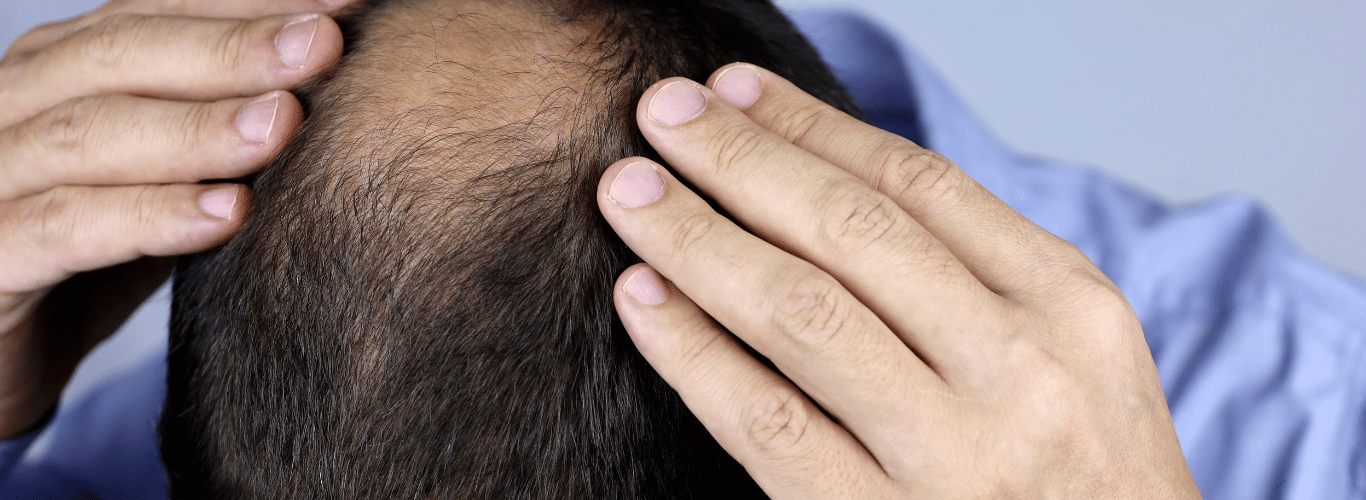
Not exactly the right question. The real issue isn’t whether your testosterone is too high or too low. It’s how sensitive your hair follicles are to DHT, a byproduct of testosterone. You could have normal or even low testosterone levels and still experience hair loss if your body is converting more testosterone into DHT than usual.
On the other hand, if your testosterone is too low, your body might not have enough hormonal support to keep hair growth cycles running smoothly. That can lead to diffuse thinning,a more general loss of hair across the scalp.
So both high DHT sensitivity and low testosterone levels can cause hair to fall out, just in different ways.
Can Low Testosterone Lead to Hair Loss?
Yes. Low testosterone levels can disrupt the natural hair growth cycle. Hair may grow more slowly, rest longer in the dormant phase, or fall out more easily. Unlike male pattern baldness, which follows a predictable pattern, testosterone-related hair loss may look more scattered or even across the scalp.
Other symptoms that often show up alongside hair thinning include:
- Reduced sex drive
- Fatigue
- Weight gain
- Mood changes
- Reduced muscle mass
These are signs that hormones might be out of balance. Blood tests can confirm whether low testosterone is the root cause.
Does Hair Grow Back If Testosterone Is Restored?
In many cases, yes,but it depends on how long the hair loss has been occurring and the health of your follicles. If the follicles haven’t completely shut down, restoring testosterone levels can help restart the growth cycle. The sooner the issue is identified and treated, the better the chance of regrowth.
At Dallas Men’s Health, we take a targeted approach. Restoring testosterone is just one piece of the plan. Learn more about our approach to testosterone replacement therapy. We also use regenerative treatments like PRF to improve blood flow and stimulate dormant follicles. And for men with more advanced loss, procedures like NeoGraft provide long-term results.
How Dallas Men’s Health Treats Hair Loss from Hormonal Causes

We don’t believe in one-size-fits-all treatments. If low testosterone is causing your hair loss, we start with hormone testing to confirm the diagnosis. From there, your plan may include:
- Testosterone replacement therapy (TRT) to restore hormone levels
- PRF injections for scalp stimulation and improved follicle activity
- Hair restoration options like NeoGraft for long-term coverage
- WAW, NeoGraft, and ARTAS
We also monitor how your body responds to testosterone, including how much of it converts to DHT. That gives us a full picture of your hormonal environment.
How to Prevent Hair Loss While on Testosterone Replacement
Some men worry that taking testosterone might trigger more hair loss. This can happen if the body starts converting more testosterone into DHT. At Dallas Men’s Health, we monitor DHT levels during therapy and make adjustments if needed. That may include lifestyle changes or additional support for follicle health. For more on improving testosterone naturally, read how to increase testosterone.
Being proactive makes a difference. You don’t have to stop treatment to preserve your hair,you just need the right strategy.
What Else Can Cause Hair Loss in Men?
Low testosterone isn’t the only reason hair might thin or fall out. Other factors include:
- Vitamin deficiencies (D, B12, and iron are the big three)
- Chronic stress
- Sleep apnea
- Aging and genetics
This is why blood testing and full health evaluations are a core part of your treatment plan. You get more than just symptom relief, you get clarity. Medications can also play a role. If you’re taking ADHD medication, see how it may affect hormones in our post on the sexual side effects of Adderall.
When to Get Evaluated
If you’re noticing hair loss along with fatigue, low energy, or other hormonal symptoms, it’s worth looking into. Blood tests are simple, and early intervention makes a difference.
Hair loss isn’t just cosmetic. It’s often a signal that your body is asking for help. Many of our patients exploring testosterone treatment also ask about related procedures. Explore real ways to increase penis length for a full overview of options we offer.
Ready to get answers? Schedule your private consultation and take the first step toward restoring your confidence.
Your hair. Your hormones. Your solution starts here.