
Non-Surgical Hair Restoration

Hair loss is a common concern affecting millions of people worldwide. Whether caused by hereditary hair loss, hormonal imbalances, or lifestyle factors, it can significantly impact self-confidence. While surgical hair transplant surgery has long been a solution for severe hair loss, advancements in non-surgical hair restoration treatments offer effective alternatives for those seeking accessible, minimally invasive options.
In this guide, we’ll explore the latest hair loss solutions and treatments, from platelet-rich plasma (PRP) therapy to low-level laser therapy (LLLT), to help you make informed decisions on restoring healthy hair and achieving a fuller hair appearance.
Understanding Hair Loss
What is Hair Loss?
Hair loss, also known as alopecia, is a common condition that affects millions of people worldwide. It is characterized by the loss of hair from the scalp or other parts of the body. Hair loss can be caused by a variety of factors, including genetics, hormonal imbalances, medical conditions, and certain medications. In some cases, hair loss can be a symptom of an underlying health issue, while in others, it may be a natural part of the aging process. Understanding the root cause of hair loss is crucial for determining the most effective treatment plan.
Patterns of Hair Loss
Hair loss can manifest in several distinct patterns, each with its own characteristics and underlying causes:
- Male Pattern Baldness: This is the most common type of hair loss in men, also known as androgenetic alopecia. It typically begins with a receding hairline and thinning hair on the top of the head. Over time, this can progress to more extensive baldness.
- Female Pattern Hair Loss: Affecting women, this type of hair loss is characterized by thinning hair on the top of the head, often accompanied by a widening of the part line. Unlike male pattern baldness, it rarely leads to complete baldness.
- Alopecia Areata: This autoimmune condition causes patchy hair loss on the scalp or other parts of the body. The immune system mistakenly attacks healthy hair follicles, leading to sudden and unpredictable hair loss.
- Telogen Effluvium: This condition results in excessive hair shedding, often triggered by stress, hormonal changes, or certain medications. It causes a significant number of hair follicles to enter the resting phase prematurely, leading to noticeable thinning.
Understanding the specific pattern of hair loss is essential for selecting the most appropriate and effective treatment.
Understanding the Causes of Hair Loss
.png)
Hair loss, or alopecia, is a complex condition that can arise from various types of hair loss, each requiring a unique approach to treatment. Understanding the underlying factors behind hair loss is essential for developing an effective and personalized treatment plan. Below, we explore the most common causes of hair loss and their impact on the health of your hair follicles.
Androgenetic Alopecia (Male and Female Pattern Baldness)
Androgenetic alopecia is the most prevalent cause of hair loss, affecting both men and women. This condition is largely genetic and is triggered by the hormone DHT (dihydrotestosterone), which binds to hair follicles and causes them to shrink over time. This process, known as miniaturization, results in progressively finer, shorter, and less pigmented hair strands until the follicle eventually stops producing hair altogether.
In men, androgenetic alopecia, often referred to as male pattern hair loss, typically begins as a receding hairline and thinning at the crown, while women often experience diffuse thinning across the scalp. Early detection and intervention are crucial for slowing this process and preserving natural hair.
Alopecia Areata
Alopecia areata is an autoimmune disorder where the immune system mistakenly attacks healthy hair follicles, leading to patchy bald spots on the scalp and sometimes on other areas of the body. This condition can progress to total hair loss on the scalp (alopecia totalis) or even complete loss of body hair (alopecia universalis).
While the exact cause of alopecia areata remains unclear, it is believed to be triggered by genetic predisposition and environmental factors, such as stress or illness. Treatments for alopecia areata often focus on calming the immune response and stimulating hair regrowth through therapies like platelet-rich plasma (PRP) or topical medications.
Nutritional Deficiencies
The health of your hair is closely tied to your diet. Deficiencies in key nutrients such as proteins, biotin, zinc, iron, and vitamins D and E can disrupt the hair growth cycle, leading to thinning hair or excessive shedding.
For instance, iron deficiency anemia, a common condition in women, deprives hair follicles of the oxygen they need to produce strong, healthy hair. Similarly, a lack of protein in the diet can force the body to prioritize other essential functions over hair growth, leading to hair becoming brittle and more prone to breakage.
Incorporating a balanced diet rich in whole foods and taking targeted supplements can play a critical role in addressing nutritional hair loss. Proper nutrition can help regenerate hair in areas where it has been lost, although it may not fully restore the density of lost hair.
Stress and Lifestyle Factors
Chronic stress is a well-known contributor to hair loss, as it can disrupt the natural hair growth cycle. Telogen effluvium, a condition where hair follicles enter the resting phase prematurely, is often triggered by high stress levels, illness, or significant life changes. This results in widespread shedding and noticeable thinning of the hair, causing many to lose hair over time.
In addition to stress, poor hair care habits—such as overuse of heat-styling tools, chemical treatments, or harsh shampoos—can weaken the hair shaft and contribute to hair loss. Lifestyle habits like smoking and lack of physical activity can also reduce blood flow to the scalp, depriving hair follicles of the nutrients and oxygen needed for new hair growth.
Adopting a healthier lifestyle, managing stress, and practicing proper hair care routines are key to preventing further hair loss.
Medical Conditions and Hormonal Imbalances
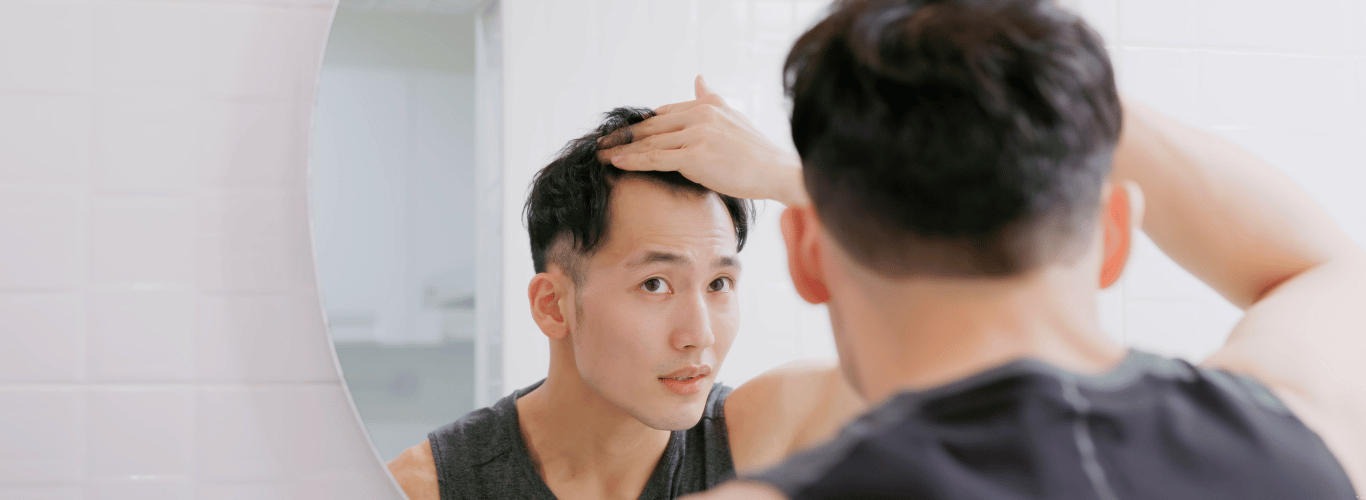
Hair loss can also be a symptom of underlying medical conditions, including thyroid disorders, polycystic ovary syndrome (PCOS), and certain infections. For instance:
- Hypothyroidism and hyperthyroidism can disrupt the hair growth cycle, causing hair to become thin and brittle.
- PCOS, a hormonal condition, can lead to elevated levels of androgens (male hormones), contributing to female pattern baldness and unwanted hair growth.
- Scalp infections, such as ringworm, can damage hair follicles and inhibit hair growth.
Addressing the root cause of these conditions often leads to significant improvement in hair density and overall health.
Genetics and Aging
While hair thinning is a natural part of aging, genetics play a significant role in determining the extent of hair loss. Individuals with a family history of male or female pattern baldness are more likely to experience it themselves. With age, hair follicles produce finer, less pigmented strands, and the hair growth cycle slows down, leading to less new hair growth.
Hair Growth and Hair Follicles
Hair Growth Cycle
Hair growth is a dynamic process that occurs in three distinct phases:
- Anagen Phase: This is the active growth phase, during which hair grows rapidly. The anagen phase can last anywhere from two to six years, depending on the individual and the location of the hair on the body. During this phase, hair follicles are fully active, producing new hair cells continuously.
- Catagen Phase: This is a short transitional phase that lasts about two weeks. During the catagen phase, hair growth slows down, and the hair follicle begins to shrink. This phase marks the end of active hair growth.
- Telogen Phase: This is the resting phase, lasting about three months. During the telogen phase, the hair is released from the follicle and eventually falls out. After this phase, the follicle re-enters the anagen phase, and the cycle begins anew.
Non-Surgical Hair Restoration Treatments
Hair loss can be a distressing experience, but advancements in non-surgical treatments provide effective solutions to treat hair loss, restore confidence, and achieve healthier, fuller hair. The following treatments offered at the practice are designed to address thinning hair, promote new hair growth, and improve overall hair density without the need for invasive procedures.
Platelet-Rich Plasma (PRP) Therapy
Platelet-Rich Plasma (PRP) therapy is a cutting-edge treatment that uses the patient’s own blood to stimulate hair follicles and promote new hair growth. During the procedure, a small amount of blood is drawn and processed to extract the platelet-rich plasma, which is rich in growth factors. This plasma is then injected into areas of thinning hair, encouraging hair regrowth and improving hair density. PRP therapy is a minimally invasive treatment with no downtime, making it a convenient option for those seeking natural and effective hair restoration. For enhanced results, PRP is often combined with microneedling to further rejuvenate the scalp.
PRF, or platelet rich fibrin, is the second generation PRP and is also extracted from your own blood. A special process turns PRP into the more stable PRF which will provide even more growth factors that will last longer than PRP.
In addition, Dallas Men’s Health utilizes a new and innovative process that takes PRP and PRF and puts them through PhotoActivation and Incubation processes. This increases the growth factors even more and our unique process allows the healing agents from your blood to remain in the area of need much longer for a much better result. This amazing process is only available at Dallas Men’s Health.
After preparation, the PRP/PRF is injected into targeted areas of the penis, including the injection site, to improve blood flow, promote collagen production, and enhance sexual function. Again, our unique process allows for much better results that last longer than regular PRP injections. For maximum comfort, a numbing cream or anesthetic is applied before the procedure. The P-Shot is a minimally invasive treatment with little to no downtime, making it a convenient option for men seeking to improve their sex life.
Alma TED Hair Restoration
Alma TED Hair Restoration is an innovative ultrasound-based treatment that delivers hair-stimulating serums deep into the scalp to stimulate hair growth and promote hair regrowth. This painless, non-invasive therapy enhances blood flow to the hair follicles and provides the essential nutrients they need to thrive. Alma TED is particularly effective for individuals in the early stages of hair thinning, as it strengthens existing hair while encouraging new growth. Its non-invasive nature and lack of downtime make it a popular choice for both men and women.
RegeneGro Hair Restoration
RegeneGro is a regenerative therapy designed to nourish and repair damaged hair follicles, targeting the underlying causes of hair loss. This treatment utilizes advanced bioactive compounds to rejuvenate the scalp and stimulate dormant follicles, promoting healthy, natural hair growth. RegeneGro is an ideal solution for individuals with androgenetic alopecia or thinning hair caused by other factors. With its ability to improve hair density and overall scalp health, RegeneGro offers a powerful, non-surgical alternative for hair restoration.
Some patients do not need a sophisticated transplant. They either want to regrow the hair they lost or keep their hair from falling out. Our hair restoration program uses several different regenerative techniques to help regrow and restore the hair you lost and create healthier hair that is less prone to fall out.
Our products have been clinically shown to be highly effective while being minimally invasive and much less costly than a transplant. Our products include PRP, PRF and stem cell products that utilize powerful antiinflammatory agents, immuno-stimulatory agents and growth factors to allow much healthier hair.
Low-Level Laser Therapy (LLLT)
Low-Level Laser Therapy (LLLT), also known as light therapy, is a non-invasive treatment for hair loss that uses laser energy to stimulate blood circulation in the scalp. This improved circulation delivers essential nutrients and oxygen to the hair follicles, encouraging new hair growth and strengthening existing strands. LLLT is an effective solution for early-stage hair loss, including male and female pattern baldness. The treatment is safe, painless, and can be performed in-office or at home using FDA-approved laser caps or devices, providing a flexible and convenient option for patients.
Topical and Oral Medications
Medications like Minoxidil and Finasteride continue to play a significant role in non-surgical hair restoration. Minoxidil, a topical solution, works by increasing blood flow to the scalp, stimulating hair follicles, and encouraging hair regrowth. Finasteride, an oral medication, reduces DHT levels, slowing the progression of male pattern baldness and supporting the development of new hair. While effective, these medications may have side effects, such as scalp irritation with Minoxidil or reduced libido with Finasteride. When combined with other treatments like PRP or LLLT, these medications can significantly enhance the effectiveness of a personalized hair restoration plan.
Comparing Non-Surgical and Surgical Options
While non-surgical treatments like PRP, PRF and stem cell products are ideal for early-stage hair loss, surgical options such as follicular unit extraction (FUE) and follicular unit transplantation (FUT) are better suited for advanced cases. Here’s a comparison:
Lifestyle Changes for Hair Loss Prevention
Preventing further hair loss often requires a combination of treatment options and lifestyle adjustments. Here are some tips for maintaining healthy hair:
- Hair Care: Use gentle shampoos and avoid harsh chemical treatments.
- Nutrition: Include foods rich in proteins, iron, and biotin.
- Supplements: Consider adding hair-boosting vitamins to your routine.
- Stress Management: Practice mindfulness, yoga, or other stress-reduction techniques.
Exploring Hair Transplant Options When Necessary
If non-surgical methods prove insufficient, surgical hair transplants may be the next step. The two main types include:
- FUE (Follicular Unit Extraction): Individual hair follicles are harvested and transplanted to balding areas, resulting in natural-looking results.
- FUT (Follicular Unit Transplantation): A strip of scalp is removed, and the hair follicles are transplanted. This method may leave a linear scar but often yields high graft counts.
Both methods are advanced, effective, and ideal for those seeking permanent solutions to severe hair loss.
Combining Treatments for Optimal Results
Many professionals recommend combining therapies to achieve the best outcomes. For example:
- Pairing PRP therapy with Minoxidil or LLLT can accelerate new hair growth.
- Combining Finasteride with non-surgical hair restoration treatments provides a synergistic effect, slowing hair loss and promoting hair regrowth.
Key Takeaways
Non-surgical hair loss treatments offer hope to those struggling with thinning hair, alopecia, or other forms of hair loss. By understanding the variety of treatment options available, from PRP therapy to light therapy, individuals can work with their providers to develop a customized treatment plan tailored to their unique needs. Whether addressing male pattern baldness, female pattern baldness, or alopecia areata, these innovative approaches provide effective solutions without the need for surgery.
With consistent care, a balanced approach, and expert guidance, achieving new hair growth, enhancing
More Blogs

What Are the Treatments for Erectile Dysfunction?
Learn about erectile dysfunction treatments, available options, causes, and personalized care to improve sexual health and confidence.
Read Blog
What Is a No-Shave FUE Hair Transplant?
Learn what a no-shave FUE hair transplant is, how it works, recovery expectations, benefits, and whether it is the right hair restoration option for you.
Read Blog
How Long Does the P Shot Last?
Learn how long the P Shot lasts, what affects results, and how to maintain improvements with expert care and healthy lifestyle habits.
Read Blog
Signs of Low Testosterone in Men in Dallas
Signs of low testosterone in men in Dallas, symptoms, and treatment options including testosterone replacement therapy and lifestyle changes.
Read Blog
How Much Does Male Enhancement Cost?
Discover male enhancement costs in Dallas, including surgery, injections, girth enhancement, and consultation options.
Read Blog
Can Botox Cause Cancer? A Complete Guide
Explore Botox safety for cosmetic and medical purposes. Understand cancer risk, scientific evidence, and expert guidance for informed decisions.
Read Blog
Is Laser Fat Removal Safe ?
Laser fat removal is safe, how treated fat cells respond, and the results you can expect from this minimally invasive body contouring procedure.
Read Blog.jpg)
Ozempic Sexual Side Effects
GLP-1 medications can affect testosterone, libido and erections. What the research actually found, and what to do if you are taking one.
Read Blog
The Truth About Ozempic & Mounjaro
What rapid GLP-1 weight loss does to testosterone, muscle mass and sexual function in men, and how to protect against the tradeoffs.
Read Blog.jpg)
GLP-1 Drugs and Men’s Libido
GLP-1 drugs like Ozempic may lower men’s libido and affect erections due to brain, hormone, and vascular changes, though effects vary by individual.
Read Blog
Can Dehydration Cause Erectile Dysfunction
Dehydration can affect blood volume and erection quality, but it is rarely the whole story. When ED points to something that needs treating.
Read Blog
Can Vaping Cause Erectile Dysfunction
Vaping affects the same blood vessels as smoking. What the link to ED looks like, how reversible it is, and what recovery usually takes.
Read Blog
Laser Fat Removal: Does It Really Work?
Explore laser fat removal and find out if it really works, including how the procedure targets fat, expected results, and factors affecting effectiveness.
Read Blog
How to Prep for Laser Hair Removal ?
Learn how to prepare for laser hair removal with expert tips for safer sessions, smoother skin, faster healing, and the best long-lasting results.
Read Blog
TED Hair Restoration Cost
Discover the 2025 cost of TED Hair Restoration, factors affecting pricing, and what to expect for an effective and affordable hair restoration treatment.
Read Blog
Do Kegels Work for Men? Key Benefits
Whether pelvic floor exercises genuinely improve erections and bladder control in men, how to do them correctly, and how long results take.
Read Blog
Alma TED Hair Treatment Recovery Guide
Learn what to expect after your first Alma TED hair treatment, including recovery time, treatment results, and post-care recommendations.
Read Blog.webp)
Why Is My Hair Thinning ?
Wondering why your hair is thinning despite good health? Learn hidden causes like hormones, stress, and nutrient deficiencies.
Read Blog
Hair Loss in Men: Beyond Genetics
Learn when hair loss in men is more than genetics and what medical, hormonal, or lifestyle factors may be causing thinning hair.
Read Blog
Early Signs of Erectile Dysfunction
The early signs of ED are easy to dismiss and are often the first warning of a vascular problem. What to watch for and when to get evaluated.
Read Blog.webp)
What Causes Low Testosterone in Men Over 40?
Learn what causes low testosterone in men over 40, common symptoms, and treatment options to restore balance and vitality.
Read Blog.webp)
Testosterone Replacement Cause Hair Loss
TRT can raise DHT and speed up hair loss in men who are genetically predisposed. How likely that is, and what protects against it.
Read Blog.webp)
Low Testosterone And Hair Loss
Learn how low testosterone affects hair loss, what causes it, and how Dallas Men’s Health treats hormone-related hair thinning and restoration.
Read Blog.webp)
How to Get Rid of Curvature at Home
Learn safe, realistic options for addressing penile curvature at home and when professional medical treatment is recommended.
Read Blog.webp)
Medical Weight Loss for Men
Explore medical weight loss for men focused on regaining energy, strength, hormone balance, and long-term health control.
Read Blog
Nicotine and ED: Understanding the Connection
Nicotine narrows the vessels that carry blood to the penis. How quickly erections recover after quitting, and what helps in the meantime.
Read Blog
How to Increase Testosterone
Explore proven ways to increase testosterone naturally and medically to boost energy, muscle strength, mood, and overall sexual health.
Read Blog
Real Ways to Increase Length
Explore real, medically supported ways to increase penis length, including what works, what doesn’t, and realistic expectations.
Read Blog
Penile Enhancement Options & Procedures
Considering penile enhancement? Explore non-surgical options like GirthPro and RegeneGro, as well as surgical procedures offered by Dallas Men's Health.
Read Blog
Testosterone Replacement Therapy Guide
A guide to navigating testosterone replacement therapy (TRT), including benefits, risks, and achieving optimal wellness.
Read Blog
Is Your Men’s Health Clinic Legit?
Wondering if a men's health clinic is legit? Learn key signs of a reputable clinic, red flags to watch for, and how to choose the right provider.
Read Blog
How Urology Plays into Hair Loss
Explore the connection between urology and hair loss. Learn how hormonal imbalances, medications, and urological health impact hair growth.
Read Blog
What Is the P-Shot? Benefits & Frequency
Discover the P-Shot, its benefits, and how often it’s needed for optimal results. Learn how this treatment can enhance performance and wellness.
Read Blog
Sciatica and Erectile Dysfunction Treatment
Sciatica and ED can share a nerve root cause. How to tell which is driving your symptoms, and which treatments address both at once.
Read Blog
Can Weight Cause Erectile Dysfunction ?
Learn how being overweight can contribute to erectile dysfunction and how weight management may improve sexual health and performance.
Read Blog
Shockwave Therapy for ED: How It Works
Learn how shockwave therapy works for erectile dysfunction, its benefits, and why it’s a non-invasive treatment option for men.
Read Blog
Botox for Scrotal Rejuvenation
Learn how Botox supports scrotal rejuvenation by improving comfort, appearance, and relaxation in a non-surgical way.
Read Blog
Non Surgical Penile Enlargement
Explore non-surgical penile enlargement options, including benefits, safety, and realistic expectations for enhancement.
Read Blog
Stress And Men's Sexual Health
Discover how stress and anxiety impact men’s sexual health and learn actionable strategies to combat it. Explore tailored solutions at Dallas Men's Health.
Read Blog
Does Drinking Water Help You Sexually?
Hydration affects blood flow and erections, but only to a point. What the connection actually is, and the more common reasons performance changes.
Read Blog
Foods That Increase Libido
Which foods have real evidence behind them for testosterone, blood flow and libido, and which are marketing. From a Dallas urology practice.
Read Blog
The Sexual Side Effects of Adderall
Adderall can change libido, erection quality and orgasm. What tends to be reversible, what does not, and when the change is worth getting checked.
Read Blog
How Does Electrical Muscle Stimulation Work?
What electrical muscle stimulation does to muscle tissue, what it is used to treat, and where the clinical evidence actually stands.
Read Blog
How to Get More Girth and Length
Learn safe, doctor-reviewed options to increase penile girth and length, including non-surgical treatments at Dallas Men's Health.
Read Blog
Best and Worst Foods for Erectile Dysfunction
Which foods have actual evidence for erectile function and which are internet myth, separated out by a Dallas urology practice.
Read Blog
Erectile Dysfunction Exam Guide
Find out what to expect during an erectile dysfunction exam, including evaluations, tests, and next steps in treatment.
Read Blog
How P-Shot Work for Erectile Dysfunction?
Learn how quickly the P-Shot® may work for erectile dysfunction, what results to expect, and factors that influence treatment success.
Read Blog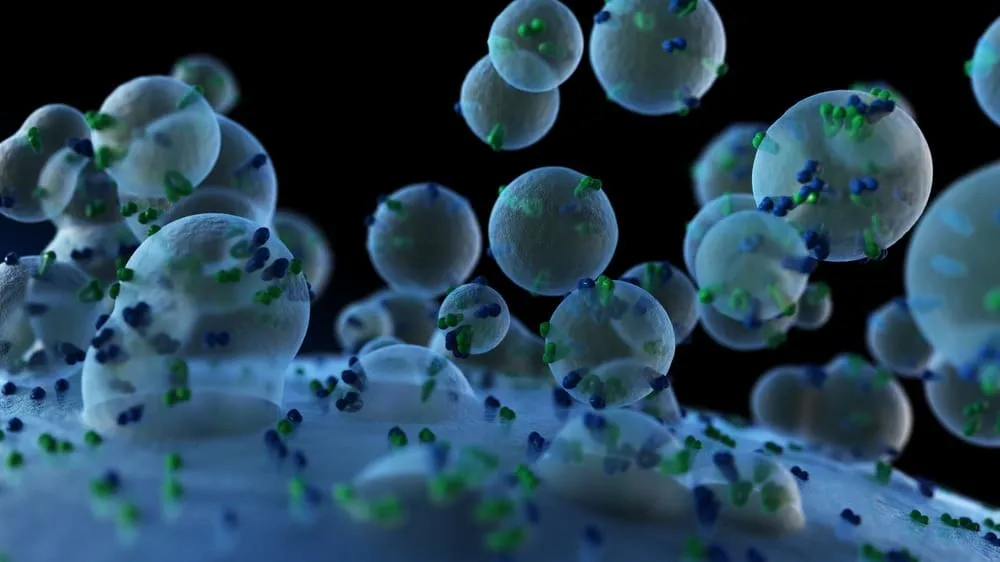
The Role of Exosomes in Cell Communication
Explore the role of exosomes in cell-to-cell communication and their growing importance in regenerative medicine.
Read Blog
Understanding Erectile Dysfunction: Causes, Solutions, and Treatments
Understand the causes of erectile dysfunction and explore modern solutions and treatments to restore confidence and performance.
Read Blog
The P-Shot and Relationships: How It Can Impact Your Partnership
Learn how the P-Shot® can impact relationships by improving confidence, intimacy, and sexual satisfaction.
Read Blog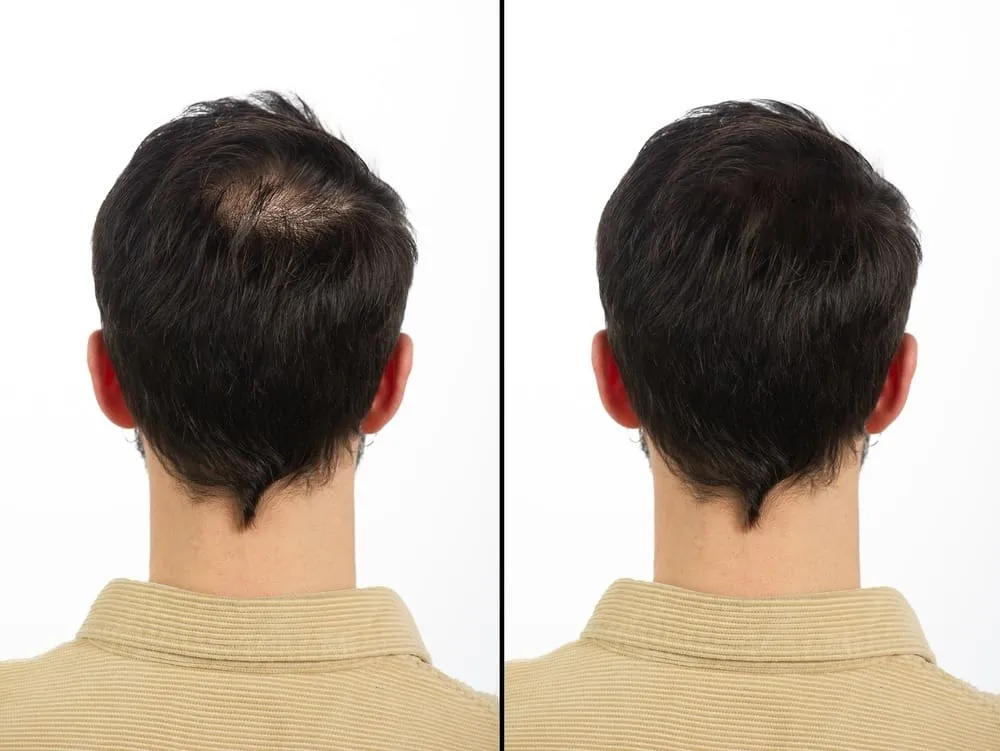
Hair Loss and Mental Health: How Alma TED™ Restoration Can Make a Difference
Explore the link between hair loss and mental health and how Alma TED™ hair restoration can restore confidence and emotional well-being.
Read Blog
A Comprehensive Guide on How to Make Erections Last Longer
Practical ways to improve erection quality and duration, and how to tell when the cause is medical and worth treating rather than managing.
Read Blog
Is the P-Shot® Right for You? Factors to Consider
Learn if the P-Shot® is right for you by exploring key factors, benefits, and considerations for erectile dysfunction treatment.
Read Blog