
Is Laser Fat Removal Safe ?

Cosmetic procedures are a major consideration for anyone looking to enhance body shape without the risks of traditional surgery. People searching is laser fat removal often want evidence-based guidance, clear insights on risks and benefits, and an understanding of how laser fat reduction works. This guide explores Laser Fat Removal with Venus Bliss, targeted fat reduction, and how treated fat cells respond, providing a detailed look at safety, procedure, and outcomes.
What Laser Fat Removal Is
Laser fat removal, also called laser lipo or laser liposuction, is a minimally invasive treatment that targets stubborn fat pockets. Unlike traditional liposuction, which removes large volumes of fat surgically, laser lipolysis uses laser energy delivered through a tiny laser fiber to break down fat cells beneath the skin. Once destroyed, these treated fat cells are naturally eliminated by the body.
This body contouring procedure is ideal for patients near their ideal body weight who want to reduce stubborn fat that resists diet and exercise. Common treatment areas include upper arms, abdomen, double chin, thighs, and small localized body fat deposits.
How Laser Fat Reduction Works
Laser fat reduction works by using a focused laser fiber to heat and melt fat inside the treated area without damaging surrounding tissues. The laser energy penetrates the fat layer, disrupting fat cell walls and promoting the breakdown of fat cells. Some laser procedures also stimulate collagen production, which can improve skin texture and support mild skin tightening after treatment.
A small incision is usually made to insert the laser fiber, and local anesthesia is applied to reduce discomfort. Many patients report a warm or tingling sensation during the procedure. Mild swelling or temporary skin sensitivity may appear in the days following treatment, typically resolving within a few weeks.
Safety Profile of Laser Fat Removal
Answering is laser fat removal is safe requires a review of clinical outcomes and complications. Laser liposuction is considered minimally invasive and has a lower risk profile than traditional liposuction, which involves more extensive tissue trauma, longer recovery, and a higher risk of blood clots or abnormal tissue growth.
Common Side Effects
Most patients experience minor side effects, including mild swelling, temporary skin sensitivity, or minor bruising. These reactions usually subside within a few weeks. Small amounts of scar tissue may develop around the tiny laser fiber insertion points, but this is generally minimal compared with traditional surgical scars.
Less Common Risks
Laser lipo carries some rare but serious risks. Infection at the small incision site, dimpled or lumpy tissue from uneven fat removal, and temporary nerve irritation can occur. Plastic surgeons performing the procedure with proper sterile technique and monitoring minimize these risks. Blood pressure and body mass index are assessed before treatment to ensure patient safety.
Laser fat removal does not affect internal organs or cause fat inside critical structures to become harmful. When performed by trained dermatologic surgery or plastic surgery professionals, the risk of severe complications is extremely low.
Candidate Selection for Laser Lipolysis
Ideal candidates for laser liposuction are adults who have a healthy lifestyle, are near their ideal body weight, and have targeted stubborn fat pockets. This procedure is not a substitute for weight loss. Patients with high body mass index, uncontrolled blood pressure, or certain chronic health conditions should avoid laser lipo.
Minimally invasive treatments like laser liposuction work best for subcutaneous fat rather than fat inside muscles or deep abdominal fat. Pre-procedure consultation with plastic surgeons or dermatologic surgery experts helps determine if laser fat reduction is appropriate.
Factors That Affect Results
- Number of sessions: More than one treatment may be required for optimal results in larger areas or thicker fat layers
- Fat layer thickness: Thicker fat beneath the skin may require additional sessions
- Healthy habits: Maintaining a balanced diet and regular exercise supports long-term results
- Skin elasticity: Collagen production from laser energy can improve mild sagging, but cannot replace surgical lifts
Comparing Laser Lipolysis with Other Procedures
Laser Liposuction vs Traditional Liposuction
Unlike traditional liposuction, laser liposuction is minimally invasive, has a shorter recovery, and reduces the risk of blood clots or major bruising. Treated fat cells are destroyed with precision, allowing for more targeted fat reduction and improved skin tightening.
Laser Fat Reduction vs Fat Freezing
Non-invasive body contouring procedures like fat freezing use cold energy to destroy fat cells. Fat freezing offers minimal downtime and is generally painless, but visible results appear more slowly than with laser procedures. Laser Fat Removal Results can be noticeable within a few days, although the full effect may take several weeks as melted fat is naturally eliminated and the body adjusts.
Procedure Details and Aftercare
During a laser liposuction procedure, a small incision allows insertion of a tiny laser fiber directly into the treatment area. Laser energy melts fat beneath the skin while protecting surrounding tissues. Treated fat cells are either suctioned or absorbed by the body over the next few weeks.
Aftercare recommendations include wearing compression garments, avoiding strenuous activity for a few days, and monitoring the treated area for unusual swelling or discomfort. Maintaining healthy habits and a stable weight ensures that treated fat cells do not return and the surrounding tissues maintain smooth body contours.
Recovery Timeline
- Immediate: Mild swelling and warm or tingling sensation
- First few days: Return to daily activities with minimal downtime
- Weeks: Treated fat cells gradually eliminated, collagen production supports skin tightening
- Months: Full laser lipo results become visible, and the treated area achieves a smoother body shape
Expert Tips for Safety and Effectiveness
- Choose laser lipo from board-certified plastic surgeons or dermatologic surgery professionals.
- Confirm the procedure uses a laser fiber suitable for the treatment area
- Ask how many sessions are recommended for the desired fat reduction
- Follow a healthy lifestyle to prevent remaining fat cells from enlarging
Frequently Asked Questions
How Many Sessions Are Needed?
Depending on body fat thickness and treatment goals, more than one treatment may be required to achieve optimal laser lipo results.
Is Laser Liposuction Painful?
Local anesthesia minimizes discomfort. Patients often report only a warm or tingling sensation during the procedure and mild swelling afterward.
Can Laser Fat Removal Cause Scarring?
Scarring is minimal due to the small incision used for the tiny laser fiber. Most patients experience little to no visible scar tissue.
How Long Before Results Are Visible?
Some fat reduction is visible immediately, but full laser fat reduction results appear over a few weeks as melted fat is naturally eliminated and collagen production improves skin texture.
Can Laser Liposuction Improve Skin Tightening?
Yes, laser energy stimulates collagen production, which can mildly tighten skin and improve overall skin texture, especially in areas with subcutaneous fat.
Conclusion
Laser fat removal is a safe and effective body contouring procedure for suitable candidates. Treated fat cells are destroyed precisely with laser energy, and patients experience minimal downtime compared with traditional liposuction. Safety relies on careful patient selection, qualified Dallas Men’s Health, and proper aftercare. Combined with a healthy lifestyle, laser lipolysis offers targeted fat reduction, improved body shape, and enhanced skin texture for stubborn fat pockets.
More Blogs
What Are the Treatments for Erectile Dysfunction?
Learn about erectile dysfunction treatments, available options, causes, and personalized care to improve sexual health and confidence.
Read Blog
What Is a No-Shave FUE Hair Transplant?
Learn what a no-shave FUE hair transplant is, how it works, recovery expectations, benefits, and whether it is the right hair restoration option for you.
Read Blog
How Long Does the P Shot Last?
Learn how long the P Shot lasts, what affects results, and how to maintain improvements with expert care and healthy lifestyle habits.
Read Blog
Signs of Low Testosterone in Men in Dallas
Signs of low testosterone in men in Dallas, symptoms, and treatment options including testosterone replacement therapy and lifestyle changes.
Read Blog
How Much Does Male Enhancement Cost?
Discover male enhancement costs in Dallas, including surgery, injections, girth enhancement, and consultation options.
Read Blog
Can Botox Cause Cancer? A Complete Guide
Explore Botox safety for cosmetic and medical purposes. Understand cancer risk, scientific evidence, and expert guidance for informed decisions.
Read Blog.jpg)
Ozempic Sexual Side Effects
GLP-1 medications can affect testosterone, libido and erections. What the research actually found, and what to do if you are taking one.
Read Blog
The Truth About Ozempic & Mounjaro
What rapid GLP-1 weight loss does to testosterone, muscle mass and sexual function in men, and how to protect against the tradeoffs.
Read Blog.jpg)
GLP-1 Drugs and Men’s Libido
GLP-1 drugs like Ozempic may lower men’s libido and affect erections due to brain, hormone, and vascular changes, though effects vary by individual.
Read Blog
Can Dehydration Cause Erectile Dysfunction
Dehydration can affect blood volume and erection quality, but it is rarely the whole story. When ED points to something that needs treating.
Read Blog
Can Vaping Cause Erectile Dysfunction
Vaping affects the same blood vessels as smoking. What the link to ED looks like, how reversible it is, and what recovery usually takes.
Read Blog
Laser Fat Removal: Does It Really Work?
Explore laser fat removal and find out if it really works, including how the procedure targets fat, expected results, and factors affecting effectiveness.
Read Blog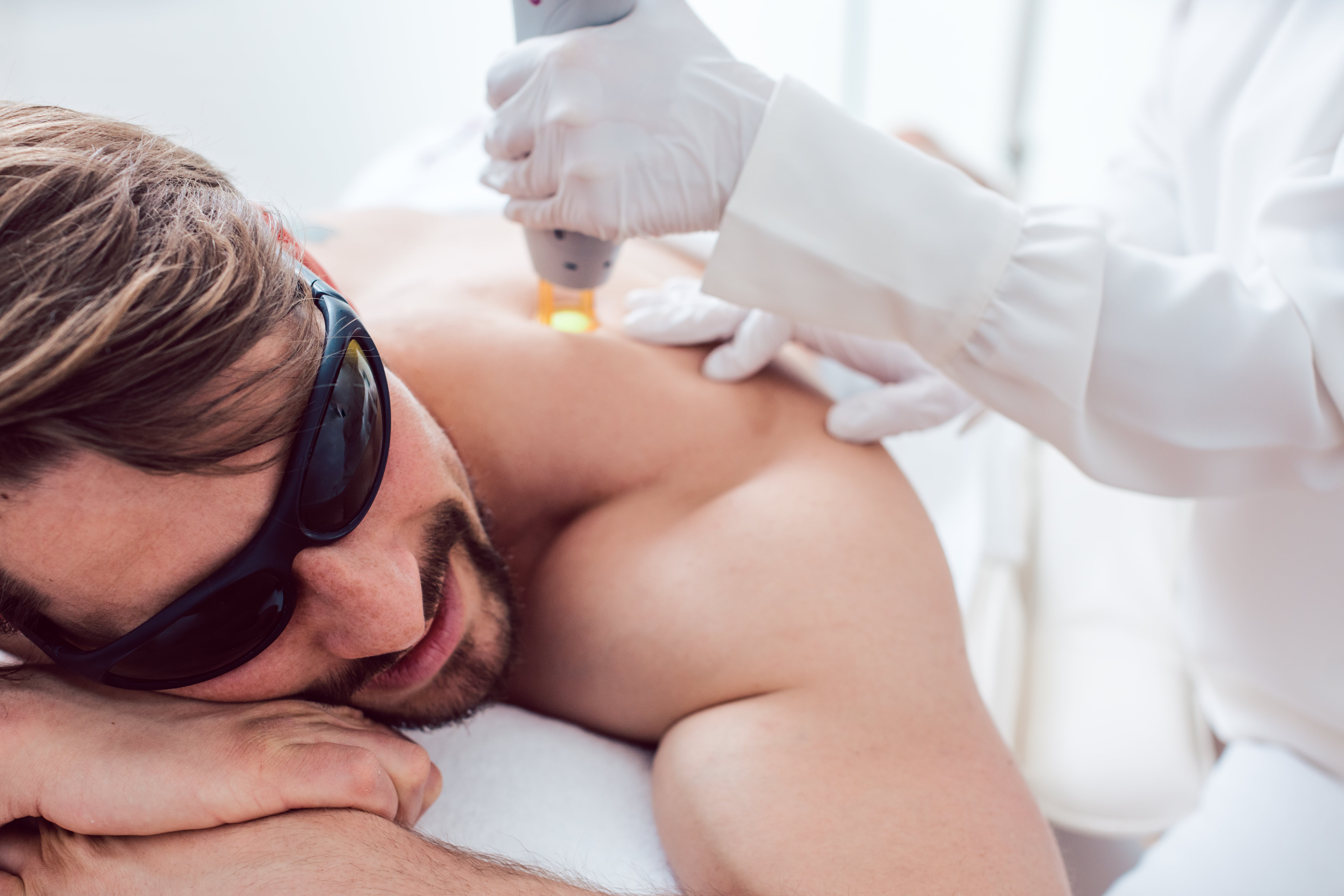
How to Prep for Laser Hair Removal ?
Learn how to prepare for laser hair removal with expert tips for safer sessions, smoother skin, faster healing, and the best long-lasting results.
Read Blog
TED Hair Restoration Cost
Discover the 2025 cost of TED Hair Restoration, factors affecting pricing, and what to expect for an effective and affordable hair restoration treatment.
Read Blog
Do Kegels Work for Men? Key Benefits
Whether pelvic floor exercises genuinely improve erections and bladder control in men, how to do them correctly, and how long results take.
Read Blog
Alma TED Hair Treatment Recovery Guide
Learn what to expect after your first Alma TED hair treatment, including recovery time, treatment results, and post-care recommendations.
Read Blog.webp)
Why Is My Hair Thinning ?
Wondering why your hair is thinning despite good health? Learn hidden causes like hormones, stress, and nutrient deficiencies.
Read Blog
Hair Loss in Men: Beyond Genetics
Learn when hair loss in men is more than genetics and what medical, hormonal, or lifestyle factors may be causing thinning hair.
Read Blog
Early Signs of Erectile Dysfunction
The early signs of ED are easy to dismiss and are often the first warning of a vascular problem. What to watch for and when to get evaluated.
Read Blog.webp)
What Causes Low Testosterone in Men Over 40?
Learn what causes low testosterone in men over 40, common symptoms, and treatment options to restore balance and vitality.
Read Blog.webp)
Testosterone Replacement Cause Hair Loss
TRT can raise DHT and speed up hair loss in men who are genetically predisposed. How likely that is, and what protects against it.
Read Blog.webp)
Low Testosterone And Hair Loss
Learn how low testosterone affects hair loss, what causes it, and how Dallas Men’s Health treats hormone-related hair thinning and restoration.
Read Blog.webp)
How to Get Rid of Curvature at Home
Learn safe, realistic options for addressing penile curvature at home and when professional medical treatment is recommended.
Read Blog.webp)
Medical Weight Loss for Men
Explore medical weight loss for men focused on regaining energy, strength, hormone balance, and long-term health control.
Read Blog
Nicotine and ED: Understanding the Connection
Nicotine narrows the vessels that carry blood to the penis. How quickly erections recover after quitting, and what helps in the meantime.
Read Blog
How to Increase Testosterone
Explore proven ways to increase testosterone naturally and medically to boost energy, muscle strength, mood, and overall sexual health.
Read Blog
Real Ways to Increase Length
Explore real, medically supported ways to increase penis length, including what works, what doesn’t, and realistic expectations.
Read Blog
Penile Enhancement Options & Procedures
Considering penile enhancement? Explore non-surgical options like GirthPro and RegeneGro, as well as surgical procedures offered by Dallas Men's Health.
Read Blog
Testosterone Replacement Therapy Guide
A guide to navigating testosterone replacement therapy (TRT), including benefits, risks, and achieving optimal wellness.
Read Blog
Non-Surgical Hair Restoration
Explore non-surgical hair restoration treatments including PRP, PRF, TED, ISM, medications, and lifestyle tips for hair regrowth.
Read Blog
Is Your Men’s Health Clinic Legit?
Wondering if a men's health clinic is legit? Learn key signs of a reputable clinic, red flags to watch for, and how to choose the right provider.
Read Blog
How Urology Plays into Hair Loss
Explore the connection between urology and hair loss. Learn how hormonal imbalances, medications, and urological health impact hair growth.
Read Blog
What Is the P-Shot? Benefits & Frequency
Discover the P-Shot, its benefits, and how often it’s needed for optimal results. Learn how this treatment can enhance performance and wellness.
Read Blog
Sciatica and Erectile Dysfunction Treatment
Sciatica and ED can share a nerve root cause. How to tell which is driving your symptoms, and which treatments address both at once.
Read Blog
Can Weight Cause Erectile Dysfunction ?
Learn how being overweight can contribute to erectile dysfunction and how weight management may improve sexual health and performance.
Read Blog
Shockwave Therapy for ED: How It Works
Learn how shockwave therapy works for erectile dysfunction, its benefits, and why it’s a non-invasive treatment option for men.
Read Blog
Botox for Scrotal Rejuvenation
Learn how Botox supports scrotal rejuvenation by improving comfort, appearance, and relaxation in a non-surgical way.
Read Blog
Non Surgical Penile Enlargement
Explore non-surgical penile enlargement options, including benefits, safety, and realistic expectations for enhancement.
Read Blog
Stress And Men's Sexual Health
Discover how stress and anxiety impact men’s sexual health and learn actionable strategies to combat it. Explore tailored solutions at Dallas Men's Health.
Read Blog
Does Drinking Water Help You Sexually?
Hydration affects blood flow and erections, but only to a point. What the connection actually is, and the more common reasons performance changes.
Read Blog
Foods That Increase Libido
Which foods have real evidence behind them for testosterone, blood flow and libido, and which are marketing. From a Dallas urology practice.
Read Blog
The Sexual Side Effects of Adderall
Adderall can change libido, erection quality and orgasm. What tends to be reversible, what does not, and when the change is worth getting checked.
Read Blog
How Does Electrical Muscle Stimulation Work?
What electrical muscle stimulation does to muscle tissue, what it is used to treat, and where the clinical evidence actually stands.
Read Blog
How to Get More Girth and Length
Learn safe, doctor-reviewed options to increase penile girth and length, including non-surgical treatments at Dallas Men's Health.
Read Blog
Best and Worst Foods for Erectile Dysfunction
Which foods have actual evidence for erectile function and which are internet myth, separated out by a Dallas urology practice.
Read Blog
Erectile Dysfunction Exam Guide
Find out what to expect during an erectile dysfunction exam, including evaluations, tests, and next steps in treatment.
Read Blog
How P-Shot Work for Erectile Dysfunction?
Learn how quickly the P-Shot® may work for erectile dysfunction, what results to expect, and factors that influence treatment success.
Read Blog
The Role of Exosomes in Cell Communication
Explore the role of exosomes in cell-to-cell communication and their growing importance in regenerative medicine.
Read Blog
Understanding Erectile Dysfunction: Causes, Solutions, and Treatments
Understand the causes of erectile dysfunction and explore modern solutions and treatments to restore confidence and performance.
Read Blog
The P-Shot and Relationships: How It Can Impact Your Partnership
Learn how the P-Shot® can impact relationships by improving confidence, intimacy, and sexual satisfaction.
Read Blog
Hair Loss and Mental Health: How Alma TED™ Restoration Can Make a Difference
Explore the link between hair loss and mental health and how Alma TED™ hair restoration can restore confidence and emotional well-being.
Read Blog
A Comprehensive Guide on How to Make Erections Last Longer
Practical ways to improve erection quality and duration, and how to tell when the cause is medical and worth treating rather than managing.
Read Blog
Is the P-Shot® Right for You? Factors to Consider
Learn if the P-Shot® is right for you by exploring key factors, benefits, and considerations for erectile dysfunction treatment.
Read Blog