

Sciatica, a condition characterized by pain radiating from the lower back down the legs due to irritation or compression of the sciatic nerve, is often associated with nerve pain, muscle weakness, and reduced mobility. But can this condition also affect your ability to perform sexually? Sciatica can indeed affect sexual function by disrupting essential signals needed for achieving and maintaining erections, leading to erectile dysfunction. The link between sciatica and erectile dysfunction (ED) is a subject of growing interest, as both conditions can significantly impact a man’s quality of life.
This article explores how lower back pain, nerve damage, and related conditions can contribute to sexual dysfunction, how to identify the underlying cause, and the most effective treatment options for managing both sciatica and ED.
What Is Sciatica?

Sciatica occurs when the sciatic nerve, the longest nerve in the body, becomes compressed or irritated. This nerve originates in the lumbar spine and travels down through the buttocks, thighs, and legs. Common causes of sciatica include:
- Herniated disc or disc herniation in the lumbar region.
- Spinal stenosis, or narrowing of the spinal canal.
- Piriformis syndrome, where the piriformis muscle compresses the sciatic nerve.
- Pinched sciatic nerve due to injury or degeneration.
- Radiculopathy, is caused by compression of nerve roots in the lumbar spine.
Symptoms of sciatica often include lower back pain, tingling, numbness, or weakness in the affected area, and sciatic pain that can radiate down one or both legs.
Understanding the Sciatic Nerve
Anatomy and Function of the Sciatic Nerve
The sciatic nerve is the largest and longest nerve in the human body, running from the lower back down to the legs. It originates from five nerve roots in the lumbar and sacral spine, merging to form a single nerve that travels through the buttocks and down each leg. This nerve is crucial for controlling muscle strength and sensation in the legs, as well as playing a role in sexual function.
When the sciatic nerve becomes compressed or irritated, it can lead to a range of sciatica symptoms, including pain, numbness, and tingling in the legs. In severe cases, sciatic nerve compression can disrupt the nerve signals that are essential for erectile function, potentially leading to erectile dysfunction. Understanding the anatomy and function of the sciatic nerve helps in recognizing how issues in this area can impact both mobility and sexual health.
What Is Erectile Dysfunction?
Erectile dysfunction (ED) is the inability to achieve or maintain an erection sufficient for satisfactory sexual intercourse. It can result from a variety of factors, including:
- Poor blood flow to the penis due to conditions like high blood pressure or diabetes.
- Nerve damage affects the penile region.
- Psychological issues such as stress or anxiety.
- Certain medical conditions, including those involving the spinal cord and lower back.
Can Sciatica Cause Erectile Dysfunction?
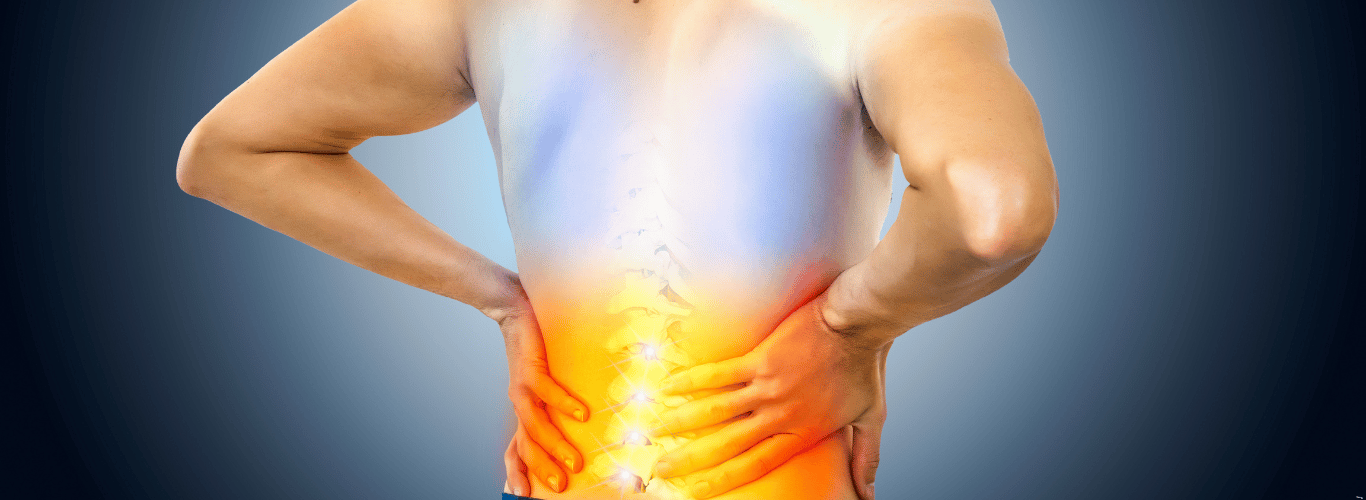
The connection between sciatica and ED lies in the intricate relationship between the sciatic nerve, pudendal nerves, and the blood vessels and nerves responsible for erectile function. Severe cases of sciatica can lead to erectile dysfunction by disrupting the nerve signals between the spinal cord and penis, thus affecting erectile capacity.
Nerve Damage and Compression
- The sciatic nerve is closely associated with the nerves that control sexual function, including the pudendal nerves.
- Compression or irritation of the sciatic nerve can lead to reduced signal transmission to the penile nerves, impairing erectile function.
- Lumbar spine issues, such as a herniated disc or spinal stenosis, can compress multiple nerve roots, contributing to both nerve pain and sexual dysfunction.
- Nerve blocks can numb irritated sciatic nerves, providing temporary relief for erectile dysfunction, but other treatments are necessary for long-term management.
Reduced Blood Flow
- Sciatica-related conditions can interfere with blood supply to the pelvic area, affecting the penile blood vessels.
- Poor circulation can impair the ability to achieve or maintain an erection, a common cause of ED.
Chronic Pain and Psychological Impact
- Persistent lower back pain, sciatic pain, and muscle spasms can lead to stress, anxiety, and depression, all of which are known risk factors for ED.
- Chronic pain and muscle spasms can diminish libido and affect the ability to enjoy a healthy sex life.
Impact on Mobility and Lifestyle
- Conditions like sciatica often lead to reduced physical activity, weight gain, and obesity, which are all health conditions that contribute to ED.
Symptoms That Overlap: Sciatica and ED
While sciatica and ED may seem like separate conditions, their symptoms can overlap. Recognizing these connections is essential for identifying the root cause and pursuing appropriate treatment. Common overlapping symptoms include:
- Numbness or tingling in the pelvic or thigh region.
- Weakness in the lower extremities, impacting overall mobility and sexual health.
- Pain in the lumbar or pelvic area during or after sexual intercourse.
- Difficulties with bladder or incontinence, which may accompany both sciatica and severe ED.
- Muscle spasms, particularly those caused by sciatica, can adversely affect sexual performance and satisfaction. Addressing the underlying causes of sciatica, such as nerve compression, can reduce muscle spasms and improve erectile function through targeted treatments and therapies.
Diagnosing the Underlying Cause of Sciatica-Related ED
To determine whether sciatica is contributing to erectile dysfunction (ED), it is crucial to diagnose and treat the underlying sciatica. Healthcare providers use a combination of physical examinations, imaging tests, and assessments of overall health and sexual function to identify the root cause and recommend appropriate treatment.
Physical Exam
The diagnostic process often begins with a thorough physical examination. Providers assess posture, mobility, and pain levels in the lower back and legs to evaluate how sciatica may be affecting daily activities. Testing reflexes, muscle strength, and sensation in the affected areas helps identify potential nerve compression or damage. These evaluations are critical in determining whether the sciatic nerve or other spinal structures are contributing to erectile dysfunction.
Imaging Tests
Imaging studies play a crucial role in diagnosing structural issues that may link sciatica and ED. X-rays are used to identify spinal misalignment, degeneration, or other abnormalities in the lumbar spine that may contribute to nerve compression. For a more detailed view, MRI or CT scans are often employed. These advanced imaging techniques can detect conditions such as herniated discs, spinal stenosis, or other structural problems affecting the sciatic nerve or surrounding nerve roots. Understanding these structural issues is key to addressing the underlying causes of both sciatica and sexual dysfunction.
Assessment of Sexual Health
Evaluating sexual health is another critical step in the diagnostic process. Healthcare providers assess erectile function by discussing the frequency and quality of erections as well as any difficulties experienced during sexual activity. This assessment may include questions about premature ejaculation or other symptoms of sexual dysfunction. Blood tests are also conducted to rule out other potential causes of ED, such as hormonal imbalances or high blood pressure. These tests ensure that the focus remains on addressing the true underlying cause of erectile dysfunction.
Review of Medical Conditions
Finally, the diagnostic process includes a review of existing medical conditions and lifestyle factors that may exacerbate both sciatica and ED. Conditions such as diabetes, which can cause nerve damage and poor circulation, are closely examined. Obesity is another critical factor, as excess weight can increase pressure on the spine and negatively affect sexual health. Providers also consider lifestyle influences, including stress levels and physical activity, which can significantly impact both conditions. By reviewing these contributing factors, healthcare providers can develop a more holistic and effective treatment plan.
Treatment Options for Sciatica and ED
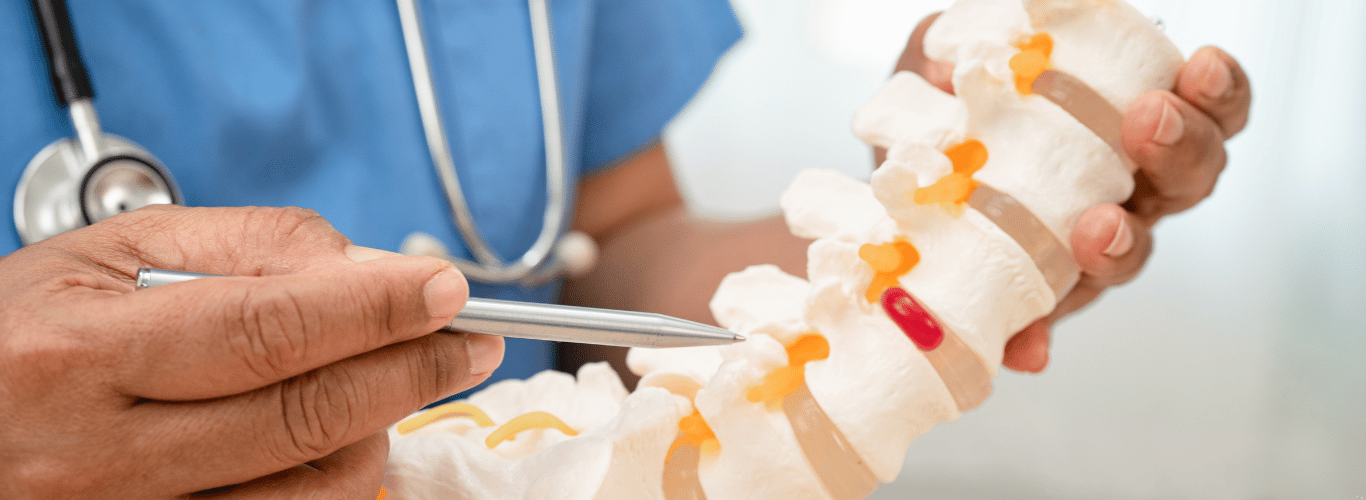
Managing both conditions requires a comprehensive approach that addresses the underlying cause while improving quality of life.
Physical Therapy
A physical therapist can guide you through exercises to relieve nerve compression, improve mobility, and strengthen core muscles to support the lumbar spine.
Medications
Pain relievers, anti-inflammatories, muscle relaxants, or prescription medications may reduce sciatic pain and improve mobility.
Injections
Epidural steroid injections can alleviate inflammation around the nerve roots in severe cases.
Surgical Interventions
Surgery may be recommended to treat disc herniation or spinal stenosis if conservative treatments fail.
Erectile Dysfunction Treatments
Medications
- Oral medications like Viagra (sildenafil), Cialis (tadalafil), and similar drugs improve blood flow to the penis, aiding in achieving erections.
Lifestyle Changes
Weight loss, regular exercise, and stress management can significantly contribute to improving sexual function.
Advanced Therapies
- Treatments like PRP injections, shockwave therapy, or the P-Shot can repair nerve damage and improve penile tissue health.
Counseling
- Addressing psychological factors such as stress or anxiety can help improve your sex life and overall well-being.
Combined Approach
For individuals with sciatica-related ED, it is crucial to treat sciatica-related ED with a multifaceted treatment plan to achieve the most effective results. This may involve:
- Using physical therapy to reduce sciatic nerve compression while also addressing ED with medications or advanced therapies.
- Lifestyle modifications to improve both back and sexual health.
- Regular consultations with a healthcare provider to monitor progress and adjust treatment plans.
Lifestyle Factors Contributing to Sciatica and ED

Common Risk Factors for Both Conditions
Several lifestyle factors can contribute to the development of both sciatica and erectile dysfunction, making it essential to address these to improve overall health and well-being. Common risk factors include:
- Sedentary Lifestyle: Prolonged sitting or inactivity can lead to sciatica symptoms and erectile dysfunction. Lack of movement can cause muscle weakness and poor circulation, both of which are detrimental to nerve and sexual health.
- Poor Posture: Maintaining poor posture, especially during long periods of sitting, can put undue pressure on the sciatic nerve, leading to compression and irritation. This can exacerbate sciatica symptoms and contribute to erectile dysfunction.
- Obesity: Excess weight puts additional pressure on the spine, increasing the risk of sciatica symptoms. Obesity also negatively affects erectile function and cardiovascular health, which is crucial for maintaining erectile function.
- Smoking: Smoking damages blood vessels and reduces blood flow, which can contribute to erectile dysfunction. Poor blood flow can also affect the health of the sciatic nerve, leading to increased pain and discomfort.
- Stress: Chronic stress can exacerbate sciatica symptoms and contribute to erectile dysfunction. Stress affects the body’s ability to manage pain and can lead to psychological issues that impact sexual function.
By addressing these lifestyle factors, individuals can significantly reduce their risk of developing sciatica and erectile dysfunction. Regular exercise, maintaining a healthy weight, practicing good posture, quitting smoking, and managing stress through techniques like meditation or therapy can help alleviate symptoms and improve overall health.
Preventing Sciatica and ED
Preventative measures can help reduce the risk of both conditions and improve your overall quality of life:
- Stay Active: Regular exercise, including stretches and strengthening exercises for the core, can protect the lumbar spine and promote healthy blood flow.
- Maintain a Healthy Weight: Avoiding obesity reduces pressure on the spine and improves cardiovascular health, which is critical for ED prevention.
- Address Underlying Health Conditions: Managing diabetes, high blood pressure, and other risk factors can prevent nerve and vascular damage.
- Ergonomic Support: Use supportive chairs and proper posture techniques to reduce strain on the lower back during daily activities.
- Manage Vascular Disease: Identifying and managing vascular disease is crucial as it is a significant risk factor for both sciatica and erectile dysfunction.
FAQs About Sciatica and ED
Can sciatica permanently cause ED?
In most cases, treating the underlying cause of sciatica, such as a herniated disc or nerve compression, can alleviate symptoms and restore erectile function. However, sciatica stealing your bedroom can significantly impact intimate life, leading to erectile dysfunction. Severe or prolonged nerve damage may require advanced therapies.
How long does it take to see improvements in ED after treating sciatica?
Improvements may vary depending on the severity of the conditions and the treatment plan. Many patients notice positive changes within weeks to months after starting physical therapy or addressing nerve damage.
Are there natural remedies for sciatica-related ED?
Lifestyle changes, such as exercise, stress management, and dietary adjustments, can help address sciatica and prevent it from stealing your bedroom bliss by impacting your sexual health. However, consult your healthcare provider for a tailored treatment plan.
Conclusion
While sciatica may not be a common cause of ED, it can contribute to sexual dysfunction through nerve damage, reduced blood flow, and chronic pain. Understanding the connection between these conditions is crucial for identifying the root cause and pursuing appropriate treatment. With the right combination of therapies, many men can regain both mobility and a satisfying sex life, enhancing their overall well-being. If you’re experiencing symptoms of sciatica or ED, consult a qualified healthcare provider for a personalized evaluation and treatment plan.