

Hair Loss Treatments for Men in Dallas, TX
Hair loss treatment for men that starts with finding out what is actually causing it, then treating in the right order, at a private men’s clinic in Dallas led by board-certified urologist Dr. Michael Wierschem.
Board-Certified Urologist
25+ Years Experience
Award-Winning Dallas Physician
Last updated September 2026
What Causes Hair Loss in Men?
Most men who come to us assume their hair loss is genetic, and for many of them it is. But not all thinning hair has the same cause, and the cause decides which treatments make sense. Thyroid issues, low iron, stress, illness, certain medications and less common scalp conditions can all cause hair to thin or shed, and none of them respond to the same plan as genetic hair loss.
That is why our first step is finding out what you are dealing with. Your provider reviews your history, looks at the pattern of loss and, when it makes sense, orders testing. Only then do we talk about treatment. A plan built on a guess wastes months, and with hair loss the months you spend guessing matter more than most men expect.
From there, treatment follows an order: hold what you still have, strengthen what is weakening and replace what is already gone. Your plan may combine several options over time, and we explain what each one is for, what it costs and how we will judge whether it is working, before you start anything.
Common Early Signs That Your Hair Is Thinning
Men usually book a consultation when one or more of these has been going on for a while:
- A hairline that keeps moving back at the temples
- Thinning at the crown you notice in photos
- More hair in the shower drain or on your pillow
- Scalp showing through under bright light
- Hair that feels finer or shorter than it used to
- A patch or sudden shed that appeared quickly
Common Causes of Hair Loss

Genetic Hair Loss
The most common cause in men, following a familiar pattern at the temples and crown. It is progressive, which is why the order and timing of treatment matter so much.

Stress, Illness or Surgery
A major illness, surgery or stressful stretch can trigger heavy shedding months later. This type often improves on its own, which changes the plan we recommend.
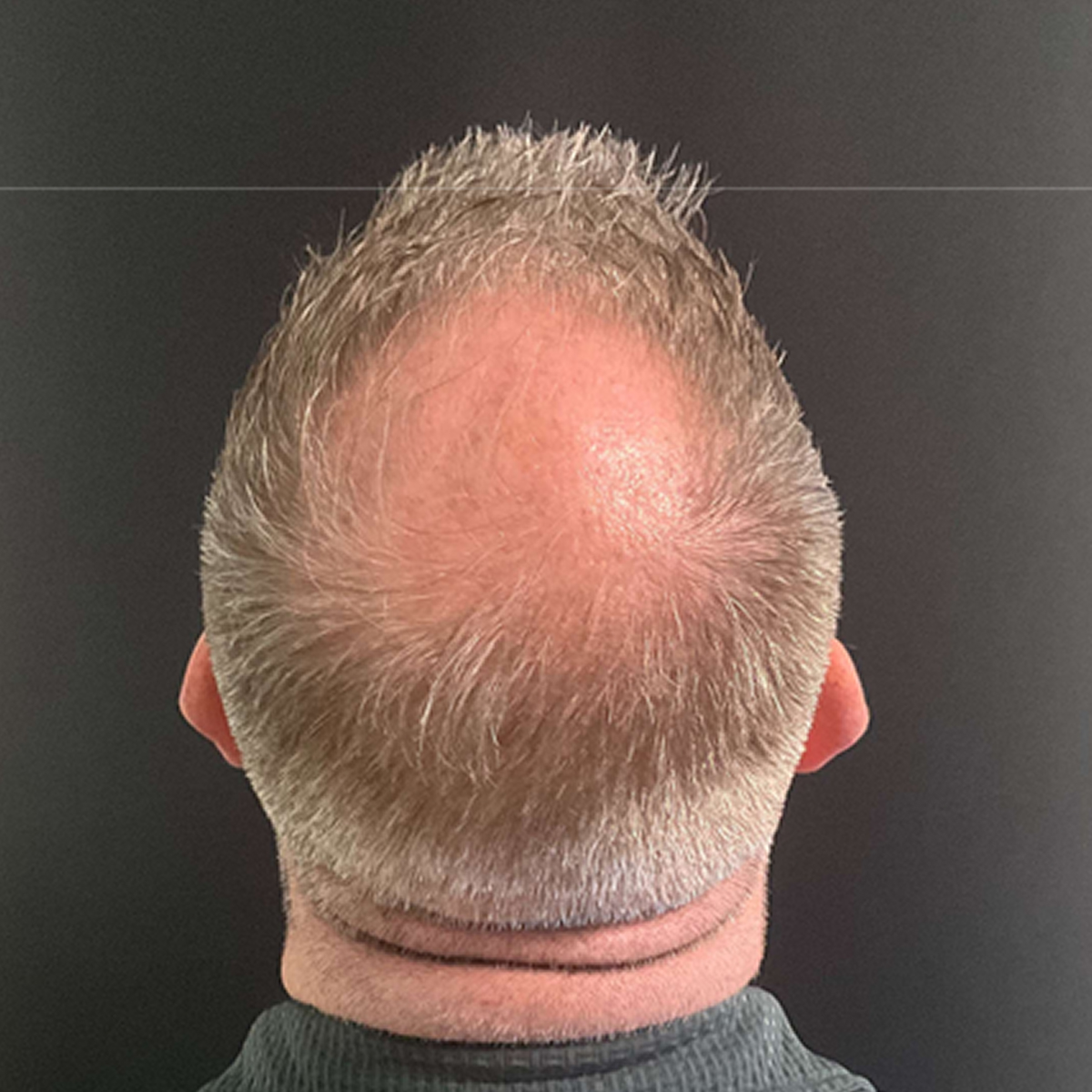
Thyroid and Other Conditions
Thyroid problems and other health conditions can cause thinning. Treating the underlying condition comes first, which is one reason testing is part of your evaluation here.

Low Iron or Nutrition Gaps
Low iron and other nutrition gaps can show up in your hair before anywhere else. Testing tells us whether this is part of your picture, and it is correctable.
Patchy or Scarring Hair Loss
Sudden patches or scarring on the scalp are less common but need a different approach entirely. Recognizing them early is what protects the hair you still have.
Medications and Treatments
Some medications and medical treatments cause hair shedding. Your provider reviews everything you take as part of your evaluation, before recommending any plan, and adjusts it if something changes.
How We Find Out What Is Causing It
Diagnosis is the step most clinics skip, and it is where we start. Your provider reviews your health history, medications and family history, examines your scalp and the pattern of loss, and orders testing when your history suggests something beyond genetics. A DNA-based alopecia test is available as part of the evaluation for men who want more detail about their type of hair loss. The point is simple: knowing what you are treating decides which treatments are worth your time and money, and which ones are not worth starting at all.


Treatment Order: Hold, Strengthen, Replace
Hair loss care works best in a sequence. First, hold what you still have, because keeping hair is far easier than trying to regrow it later. Second, strengthen areas that are thinning but still active. Third, replace what is gone, which is where a hair transplant comes in for the right candidate. Skipping to step three without the first two is why some men are disappointed years later. Your provider explains where you are in that sequence, what your plan should cover now and what can wait until later.
How Hair Loss Treatment Works Here
Our process is built around diagnosis first, then a plan you understand, then follow-up visits that track whether it is working. You will always know what each step is for, why it is in the plan and what comes next.
1
Consultation and Scalp Assessment
A private visit to review your history, medications and family history, and to examine your scalp and the pattern of your hair loss up close.
2
Testing When It Is Needed
When your history or exam suggests something beyond genetics, your provider orders testing, so your plan is based on your results rather than assumptions.
3
Your Personalized Treatment Plan
Your provider explains which options fit your type of hair loss, in what order, what each is for and what it costs before anything begins.
4
Follow-Up and Adjustments
Follow-up visits track how your hair responds over time, so your plan can be adjusted, added to or paused as your results and goals change.
Hair loss care is rarely one treatment. Most men end up with a combination: something to hold what they have, something to strengthen thinning areas and, for some, a surgical option later. Because every option is offered at the same clinic, your plan can shift as your hair changes without starting over somewhere else. Your provider explains what to expect from each step and how the pieces work together over the years ahead.
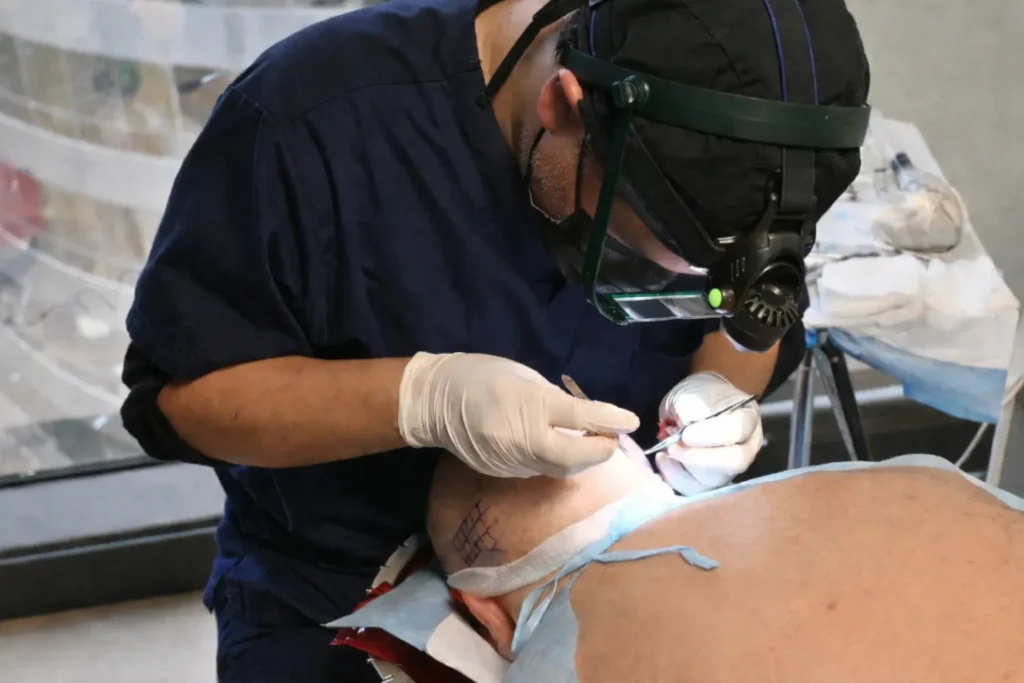
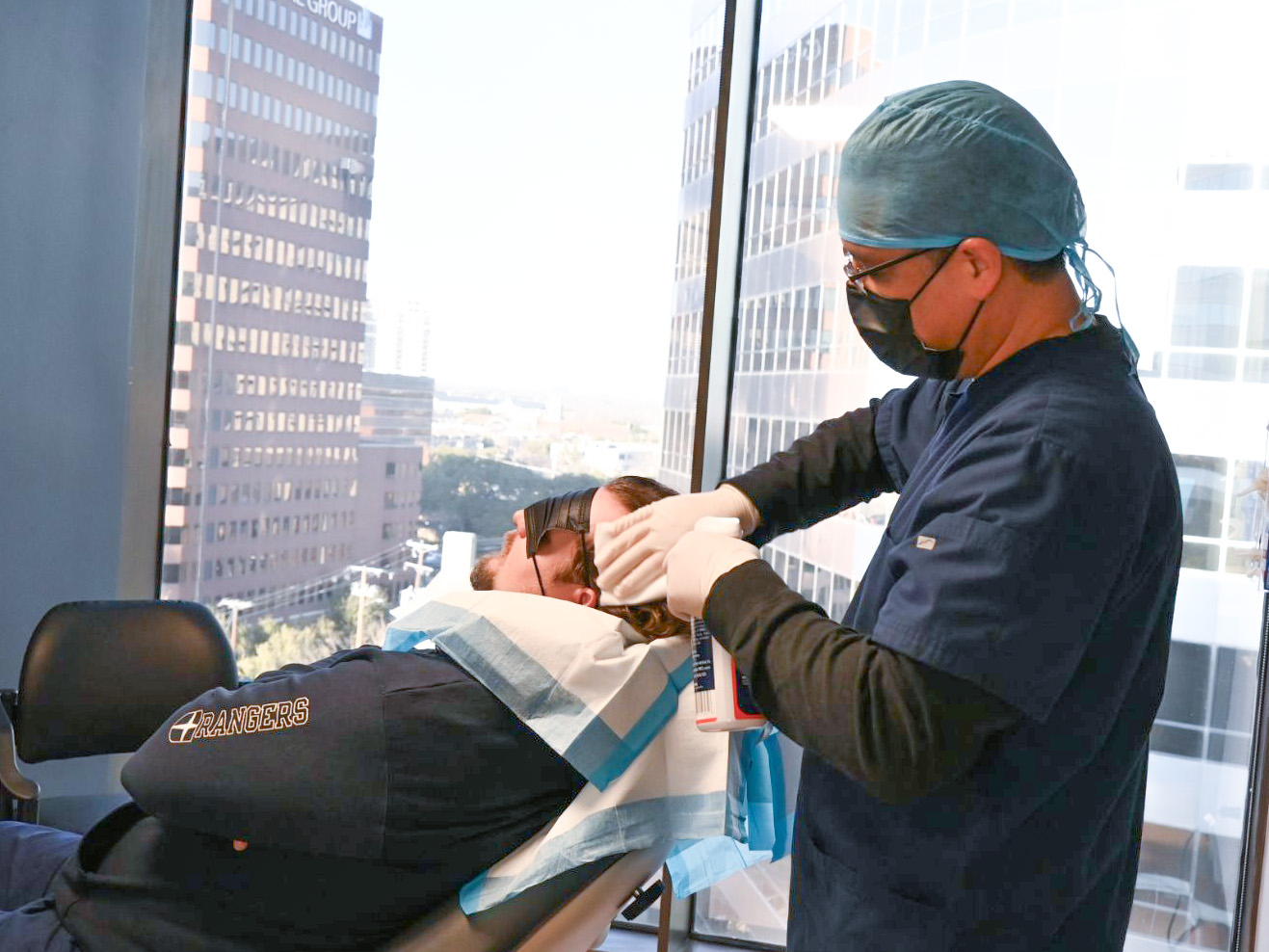
Hair Loss Treatment Options in Dallas
Your plan is built from the options below, chosen and sequenced based on your evaluation and your goals. Each one links to its own page, where you can read how it works and who it suits best.
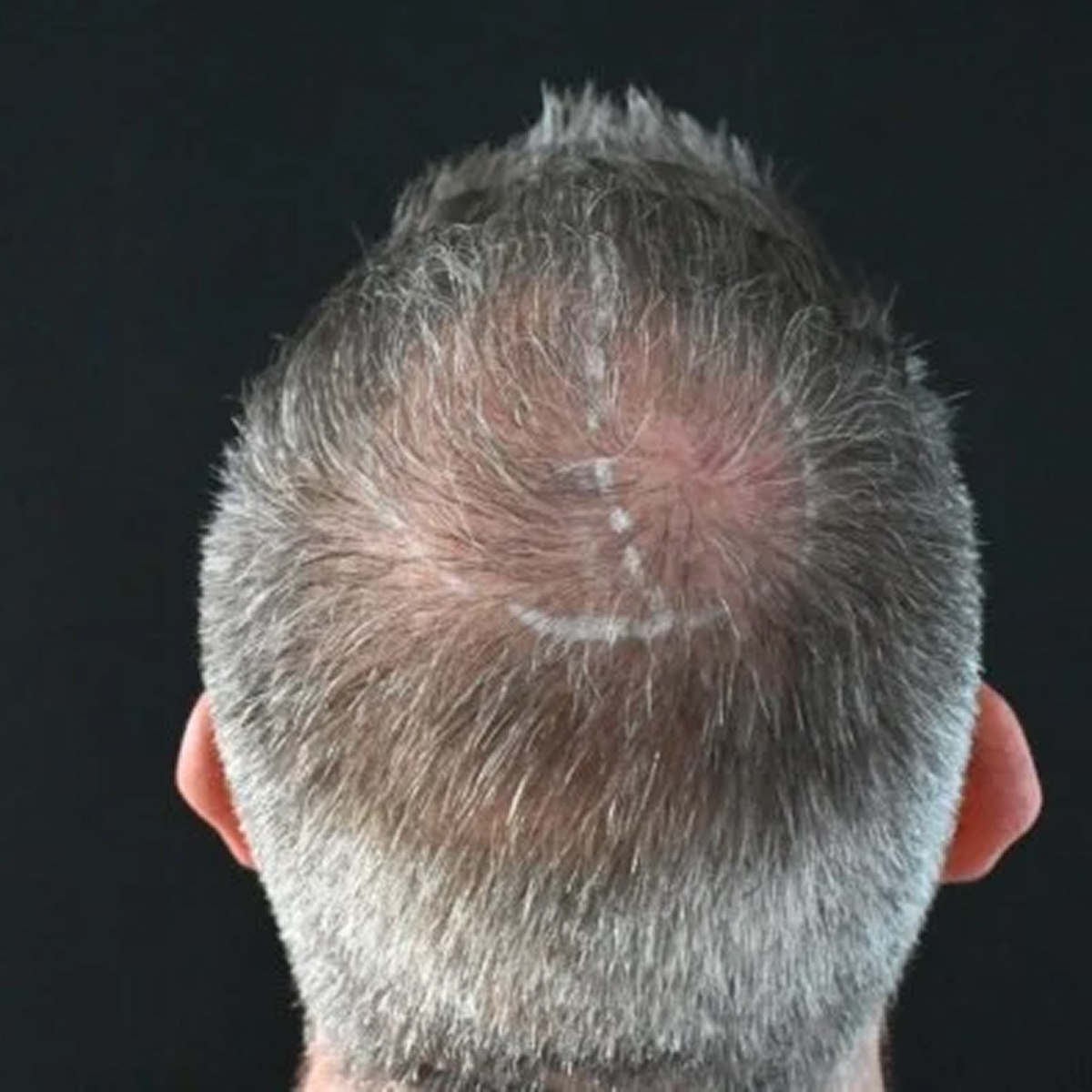
Hair Transplant Surgery for Men
For men whose hair loss is stable and who have good donor supply, a transplant moves hair you still have into thinning areas. Our team evaluates whether you are a candidate and when the timing is right.

TED Hair Restoration at Our Clinic
TED is a needle-free in-office treatment used to deliver a topical formula into the scalp. Men often use it alongside other parts of their plan, and your provider explains whether it fits yours.

Hair Loss Prevention with RegeneGro
RegeneGro is our in-office regenerative treatment for men focused on holding and strengthening the hair they still have. Your provider explains whether it fits your type of hair loss, your goals and your budget.

Medications and Daily Support
Prescription options and physician-selected daily support can be part of holding the hair you have. What fits depends on your evaluation, your health history and what you are already taking each day at home.
What Our Patients Are Saying
Why Choose Us for Hair Loss Treatment
Hair loss is sold as a product in most places. Here it is treated as a medical problem with a cause, a sequence and follow-up, at a clinic that only treats men.
1
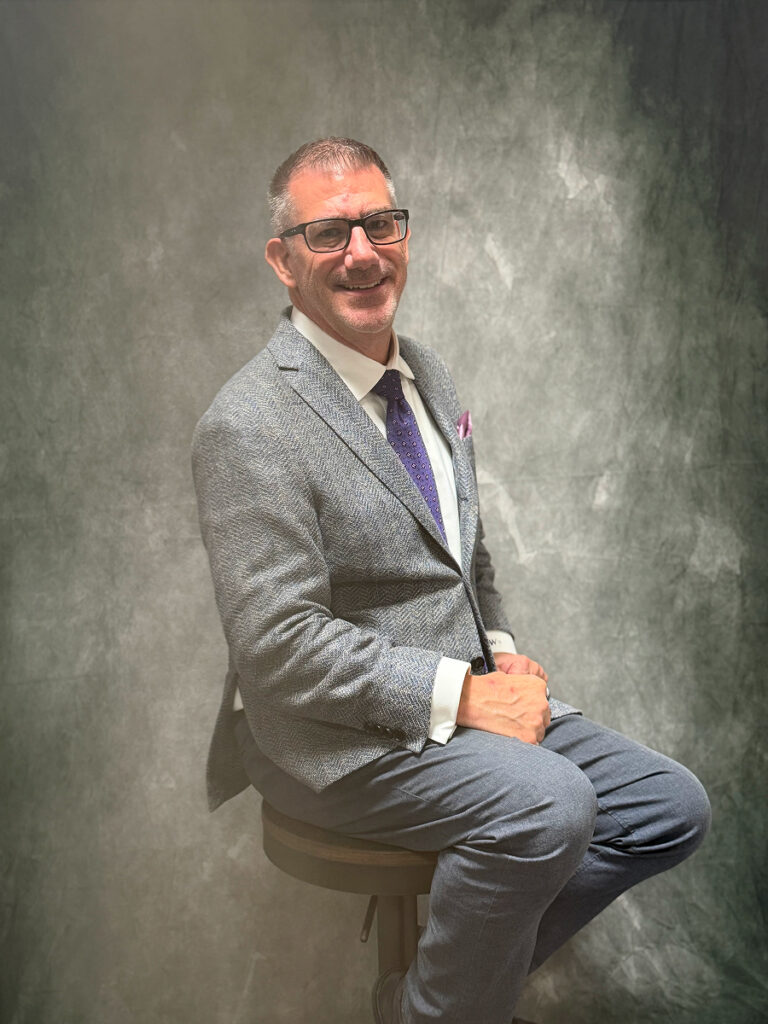
Led by Dr. Michael Wierschem
Our clinic is led by Dr. Michael Wierschem, a board-certified urologist and Fellow of the American College of Surgeons who served over a decade as Chief of Urology at Baylor Medical Center at Plano.
1
Diagnosis Before a Product
We find out what is causing your hair loss before recommending anything, because the cause decides which treatments are worth doing and which are not.
1
A Plan in the Right Order
Hold, strengthen, replace. Your provider explains where you are in that sequence, what to do now and what can wait, rather than selling every option at once.
1
Every Option Under One Roof
Medical, in-office and surgical options are all offered here, so your plan can change as your hair does without starting over with a new clinic.
1
Care That Fits the Bigger Picture
Hair is one part of how you feel about getting older. Your plan can sit alongside a broader men’s anti-aging plan handled by the same team.
Visit Our Dallas Clinic
Providing hair loss treatment to men across Dallas, Fort Worth and the greater DFW Metroplex.
Frequently Asked Questions
What causes hair loss in men?
Genetics is the most common cause, but not the only one. Thyroid conditions, low iron, stress, illness, certain medications and less common scalp conditions can all cause thinning or shedding. Because the cause decides the treatment, your provider evaluates your history, your scalp and, when needed, your lab results first.
How do I know which type of hair loss I have?
Your provider reviews your history and examines the pattern of loss on your scalp. When your history suggests something beyond genetics, testing helps, and a DNA-based alopecia test is available as part of the evaluation. Knowing the type is what makes the rest of the plan worth doing.
Is hair loss permanent?
It depends on the cause. Shedding triggered by illness, stress or a nutrition gap often improves once the cause is addressed. Genetic hair loss is progressive, so the goal is holding what you have and strengthening thinning areas, with surgical options for what is already gone.
How much does hair loss treatment cost in Dallas?
It depends on which options are in your plan and how long you follow them. Your provider reviews pricing at your consultation, before anything begins. Flexible payment plans are available through our financing partners, and our office can walk you through the options and answer questions before your first visit.
Is it too late to treat my hair loss?
Rarely, though the options change as hair loss progresses. Men with more advanced loss often focus on surgical options and on protecting what remains. Your provider tells you honestly what is realistic for your stage instead of promising results that are not, and explains which options are still worth doing.
Do I need a hair transplant?
Not necessarily. A transplant suits men whose loss is stable and who have good donor supply, and it works best alongside ongoing treatment. Your provider explains whether you are a candidate, when the timing is right and what a hair transplant can and cannot do.
What is TED hair restoration?
TED is a needle-free in-office treatment that uses a device to deliver a topical formula into the scalp. Some men use it as part of a broader plan. Your provider explains whether TED hair restoration fits your type of hair loss, your goals and the rest of your plan.
What is RegeneGro?
RegeneGro is our in-office regenerative treatment for men who want to hold and strengthen the hair they still have. Whether it fits depends on your evaluation and your type of hair loss, which your provider explains at your consultation before anything is scheduled or paid for.
How long before I see a difference?
Hair changes slowly, so it takes time to judge any plan, and results vary from man to man. Your provider explains what to expect for your specific plan then uses follow-up visits to track your progress and adjust what you are doing along the way.
Do you treat hair loss in men only?
Yes. Dallas Men’s Health treats men, and our hair loss care is built around male patterns of loss, the questions men ask and the way men want treatment handled: privately, clearly and without a long product pitch. Every plan starts with an evaluation, not a package.
Where can I get hair loss treatment in Dallas?
Dallas Men’s Health treats hair loss at our private clinic in Dallas. We also see men from Fort Worth and across the DFW Metroplex. Every plan starts with a consultation and a scalp assessment. Call our office or book online to schedule your first visit.
Find Out What Is Causing Your Hair Loss
Schedule a confidential consultation and get a hair loss plan based on your diagnosis, not a product menu.
Individual results vary. Treatment is recommended only after a consultation and evaluation and may not be appropriate for everyone. This page is general information and not personal medical advice. Talk to your provider about your health history before starting any treatment.