
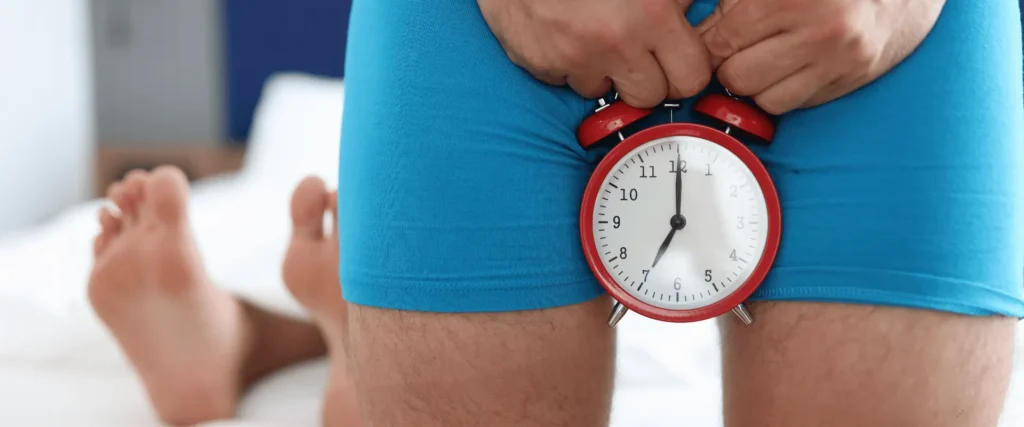
What You Should Know About Penile Plication Surgery, Non-Surgical Options and Home Remedies.
Penile plication surgery is a common procedure used to correct penile curvature. This condition can be caused by various factors, including congenital issues or trauma.
Peyronie’s disease, characterized by the formation of scar tissue in the penis, can lead to complications like erectile dysfunction and emotional distress.
You’re Not Alone in This
If you’ve noticed a curve in your erection that wasn’t there before, or if the bend has become more noticeable over time, it’s normal to feel worried. Many men feel the same way. You might be wondering if something is wrong, if it will get worse, or if it could affect your sex life.
At Dallas Men’s Health, we talk with men every day who are looking for honest answers. The good news is that you have options. Medical experts at Dallas Men’s Health are available to provide guidance and support. And you’re not broken. You’re just trying to understand your body and take care of yourself. That’s a smart thing to do. It is important to consult a health care professional for diagnosis and management.
What is Peyronie’s Disease?

Peyronie’s disease is a condition characterized by the formation of scar tissue, called plaque, under the skin of the penis. This scar tissue can cause the penis to curve or bend, usually during an erection.
The plaque builds up inside the penis, in the thick elastic membrane called the tunica albuginea, which helps keep the penis stiff during an erection. Peyronie’s disease can cause painful erections, difficulty with sexual intercourse, and emotional distress.
Causes and Risk Factors
The exact cause of Peyronie’s disease is not known, but it is believed to be related to injury to the penis, autoimmune disease, or other factors. Men who have a family history of Peyronie’s disease, connective tissue disorders, or autoimmune diseases are more likely to develop the condition.
Additionally, men who have diabetes-associated erectile dysfunction, prostate cancer, or have had surgery for prostate cancer are also at a higher risk. Vigorous sexual and nonsexual activities, such as sports, can also increase the risk of developing Peyronie’s disease.
Symptoms and Diagnosis
The symptoms of Peyronie’s disease may include a curved or bent penis, painful erections, and difficulty with sexual intercourse. The curve in the penis can make erections painful and may make sexual intercourse painful, difficult, or impossible.
A physical exam by a healthcare professional is usually sufficient to diagnose Peyronie’s disease. Imaging tests, such as an ultrasound, may be ordered to gather additional information about the plaque.
What Is Penile Curvature in Peyronie’s Disease?
It’s common for the penis to have a slight curve when erect. Penises vary significantly in size and shape, and while some curvature is normal, extreme cases may indicate Peyronie’s disease. But when the bend becomes painful or starts to interfere with sexual activity, it may be related to a condition called Peyronie’s disease.
This happens when scar tissue, also called plaque, builds up inside the penis. That scar tissue makes one side less flexible, so the erection curves in that direction. Symptoms of Peyronie’s disease include a noticeable curve and potential pain during intercourse.
This can happen after a specific injury or gradually over time. Sometimes, it occurs without a clear reason.
The American Urological Association estimates that about 1 in 10 men deal with this, though many never speak up about it.
What Is Penile Plication Surgery?
In more serious cases of Peyronie’s disease, doctors may recommend penile plication surgery for men with a severe curve. This procedure works by placing stitches on the longer side of the penis to straighten the curve.
Instead of fixing the scarred area directly, the healthy tissue is shortened slightly to match the other side. Doctors may recommend surgery after assessing the stability of the condition and potential complications.
What to consider:
Benefits:
- Often corrects curvature well
- Performed as an outpatient procedure
- Can provide relief for men with severe curvature
Concerns:
- Penile shortening
- Possible loss of sensation
- Risk of scar tissue from the procedure itself
- Recovery time and post-surgery discomfort
This surgery may be the right choice for some men, especially in more advanced cases. But for others, especially those in earlier stages or with less severe curvature, surgery might feel like too big of a step.
A Non-Surgical Option That’s Gaining Attention
At Dallas Men’s Health, we offer a non-surgical approach that many men find both effective and reassuring. Our combination of RegeneGro and GirthPro focuses on regenerative healing and symmetry restoration without the need for incisions or sutures.
Penile traction therapy is another non-surgical option that involves using a mechanical device to apply gentle, constant traction to the penis.
This is a physician-guided program designed to help the body repair itself while also addressing cosmetic concerns in a natural way.
What Is RegeneGro?
RegeneGro is our regenerative therapy protocol. It uses advanced biologics and non-invasive techniques to help reduce scar tissue and improve the flexibility of penile tissue.
Here’s what it can do:
- Soften and reduce internal plaque
- Restore healthy blood flow
- Reduce pain and improve tissue elasticity
- Support natural straightening over time
Many men report improvement in both the look and feel of their erections after consistent use, often without needing to take time off work or worry about long recovery periods.
What Is GirthPro?
GirthPro complements RegeneGro by helping restore balance and symmetry. It involves precise filler injections using a safe, physician-selected formula that supports both visual and functional results.
This treatment is about more than appearance. It also helps distribute pressure more evenly during an erection, which may improve comfort and reduce further strain on curved areas.
Together, RegeneGro and GirthPro can:
- Reduce the degree of curvature
- Maintain original penis length
- Support better function and sensation
- Avoid scarring or permanent changes
Backed by Research
Non-surgical options for Peyronie’s disease have gained more clinical support in recent years.
Studies published in Sexual Medicine Reviews and The Journal of Sexual Medicine have found that biologic therapies and low-intensity shockwave treatments may significantly reduce plaque and improve outcomes.
Clinical trials play a crucial role in testing new treatments and improving patient outcomes.
These therapies are not a substitute for surgery in every case. But for many men with mild to moderate curvature, they offer a safer, lower-risk option worth exploring before going under the knife.
Healthcare and Support
Treatment options for Peyronie’s disease depend on the severity of the symptoms and the individual’s overall health. Nonsurgical treatments, such as oral medications, injection therapy, and traction therapy, may be recommended for mild symptoms.
Surgery may be recommended for men with severe symptoms or those who have not responded to nonsurgical treatments.
It is essential to seek medical attention if symptoms persist or worsen over time. A healthcare professional can provide guidance and support to help manage the condition and improve quality of life.
Prevention and Lifestyle Changes
While there is no surefire way to prevent Peyronie’s disease, maintaining a healthy lifestyle can help reduce the risk of developing the condition. This includes:
- Practicing safe sex to reduce the risk of injury to the penis
- Maintaining a healthy weight reduces the risk of developing conditions such as diabetes and high blood pressure
- Quitting smoking to improve blood flow and overall health
- Avoiding vigorous sexual and nonsexual activities that can cause injury to the penis
- Seek medical attention if symptoms persist or worsen over time
By understanding the causes, symptoms, and treatment options for Peyronie’s disease, individuals can take steps to manage the condition and improve their overall health and well-being.
What’s Right for You in Treating Curvature?
Not every case of penile curvature needs intervention. Some men choose to monitor it, while others want to take early action to avoid progression. What matters most is having the facts and knowing your choices.
At Dallas Men’s Health, we take the time to understand your specific condition, your concerns, and your goals. Our health care providers work closely with you to develop a personalized treatment plan, whether that leads to RegeneGro, surgery, or simply a conversation about what’s next.
We’re here to guide you without pressure or judgment.
Ready to Talk?
If you’ve noticed a change in your erection and it’s been bothering you, don’t wait to get the support you deserve. You are not alone, and there is help.
It is important to consult a health care professional to discuss your symptoms and explore treatment options.
Schedule a private consultation with Dallas Men’s Health today. Call our office or book your visit online.
We’re ready when you are.