

Peptide Therapy for Men in Dallas, TX
Physician-led peptide therapy for recovery, body composition, energy and drive, prescribed by board-certified urologist Dr. Michael Wierschem and guided by your own lab work.
Board-Certified Urologist
25+ Years Experience
Award-Winning Dallas Physician
Last updated September 2026
What Is Peptide Therapy for Men?
Peptide therapy uses short chains of amino acids, the same signaling molecules your body already makes, to support specific functions such as recovery, metabolism and hormone balance. At Dallas Men’s Health, peptide therapy is prescribed and monitored by a board-certified urologist, not sold off a menu, and every plan is built around your health history and goals.
Most men come to us because something has shifted: slower recovery from training, stubborn weight around the middle, poorer sleep or less drive than a few years ago. Those changes can have many causes, so we start with a thorough evaluation before recommending anything. We take the time to understand your routine, your health history and what you want to change. Peptides can be used on their own or as part of a broader plan that may include testosterone replacement therapy when it is the right fit.
Your plan is reviewed at regular follow-up visits and adjusted based on how you respond. You will know what you are taking, why you are taking it and how we will track your progress. That is how peptide therapy in Dallas should work: personal, measured and supervised by a physician.
Common Reasons Men Ask About Peptides
Many men start a conversation about peptide therapy when one or more of these becomes a regular pattern:
- Slower recovery after workouts or minor injuries
- Stubborn abdominal fat despite diet and exercise
- Poor sleep or waking up unrested
- Lower energy and motivation through the day
- Loss of muscle tone or strength with age
- Reduced libido or sexual performance
Benefits of Peptide Therapy for Men
Men explore peptide therapy to support recovery, body composition, energy, sleep and drive. Because every man’s needs are different, peptide therapy at our clinic starts with a medical evaluation and a plan built around your goals, then continues with follow-up visits to track how you are progressing.

Recovery and Repair
Many men look into peptide therapy when recovery from training or everyday strain takes longer. We look at what is behind the change and whether peptides belong in your plan.

Body Composition
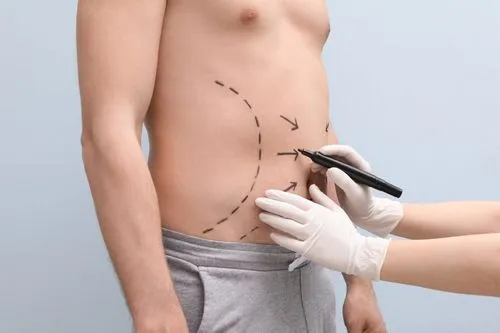
If lean muscle is harder to keep and weight is settling around the middle, peptide therapy may be one part of a plan alongside nutrition, training and body contouring.

Energy, Sleep and Drive
Low energy, restless sleep and reduced drive often show up together. Your evaluation looks at hormones, lifestyle and health history so any peptide therapy targets the real cause.
When to Consider Peptide Therapy
Peptide therapy is worth discussing when changes in recovery, body composition, sleep or drive last for several months despite real effort with diet, training and rest. These changes are common as men get older, and they can have many causes, from hormones and metabolism to stress and sleep. That is why a proper evaluation matters, and it is also a chance to rule out other issues that deserve attention. Dr. Wierschem looks at the whole picture first, then recommends peptide therapy only when it is the right tool for your goals and your health history.
Is Peptide Therapy Safe for Men?
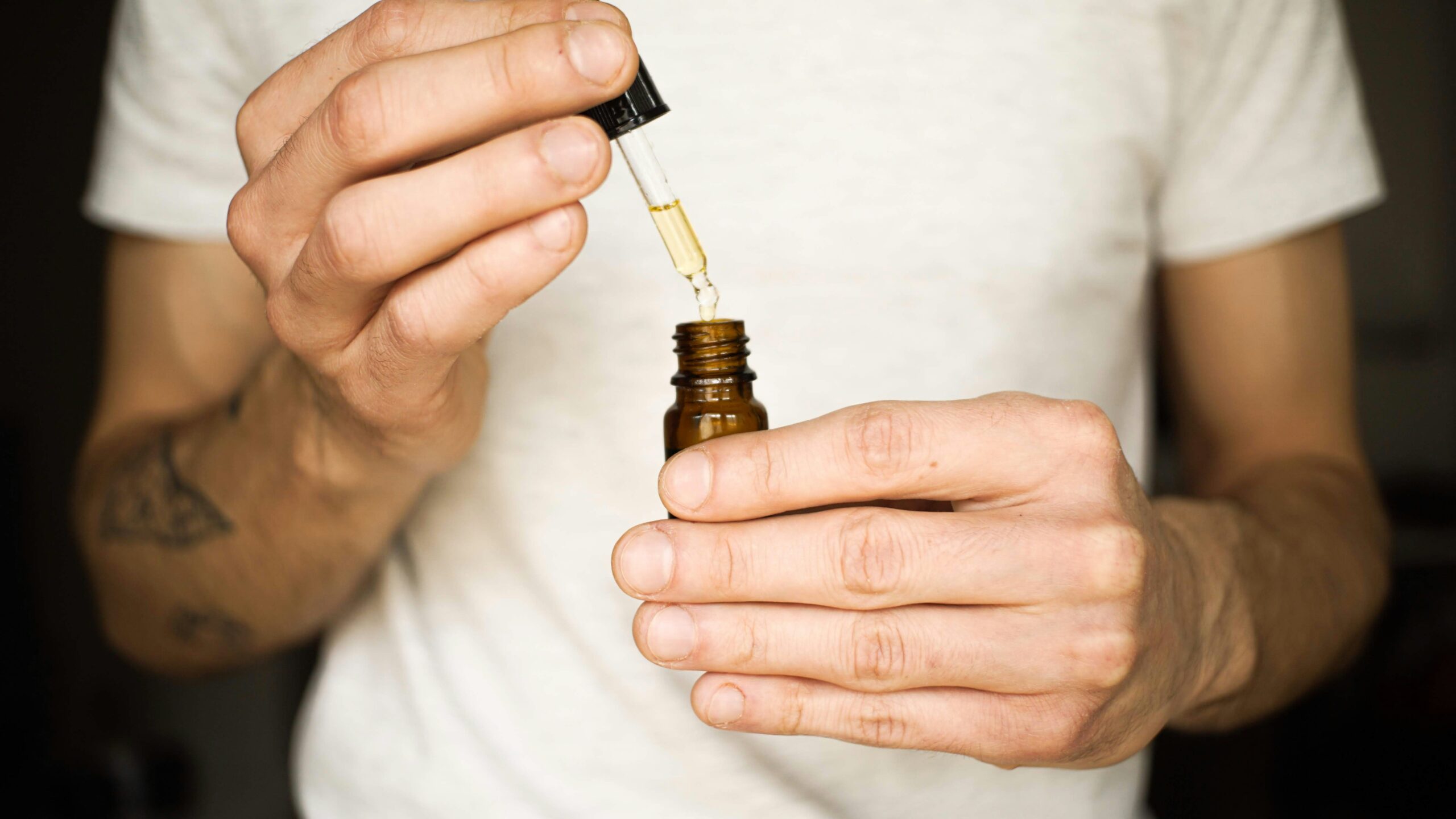
Safety starts with the right evaluation. Like any prescription treatment, peptide therapy is not right for everyone, so we review your health history, current medications and goals before recommending a plan. Prescriptions are filled through licensed pharmacies, never through products sold online for research use. Nothing is started until you understand the plan and are comfortable with it. Your provider explains what to expect, answers your questions and monitors how you respond at every follow-up visit, so you are never managing treatment on your own and your plan can be adjusted whenever needed.
Our Peptide Therapy Process
Peptide therapy should never start with a product. It starts with understanding why you feel the way you do. Our process is built around a thorough evaluation, a clear plan and regular follow-up, so every decision is based on you.
1
Consultation and Health History
A private, one-on-one visit with Dr. Wierschem to review your symptoms, goals, medications, training and sleep, so we understand what you want to change and why.
2
Evaluation and Lab Work
Lab work guided by your symptoms and health history, so your plan is based on your own results rather than guesswork, and we have a clear starting point to measure against.
3
Your Personalized Peptide Plan
A plan matched to your evaluation and goals, with prescriptions filled through a licensed pharmacy and clear instructions on how to follow it and what to expect.
4
Follow-Up and Monitoring
Scheduled check-ins to track how you are responding, adjust the plan when needed and confirm it is still the right fit for your health and goals.
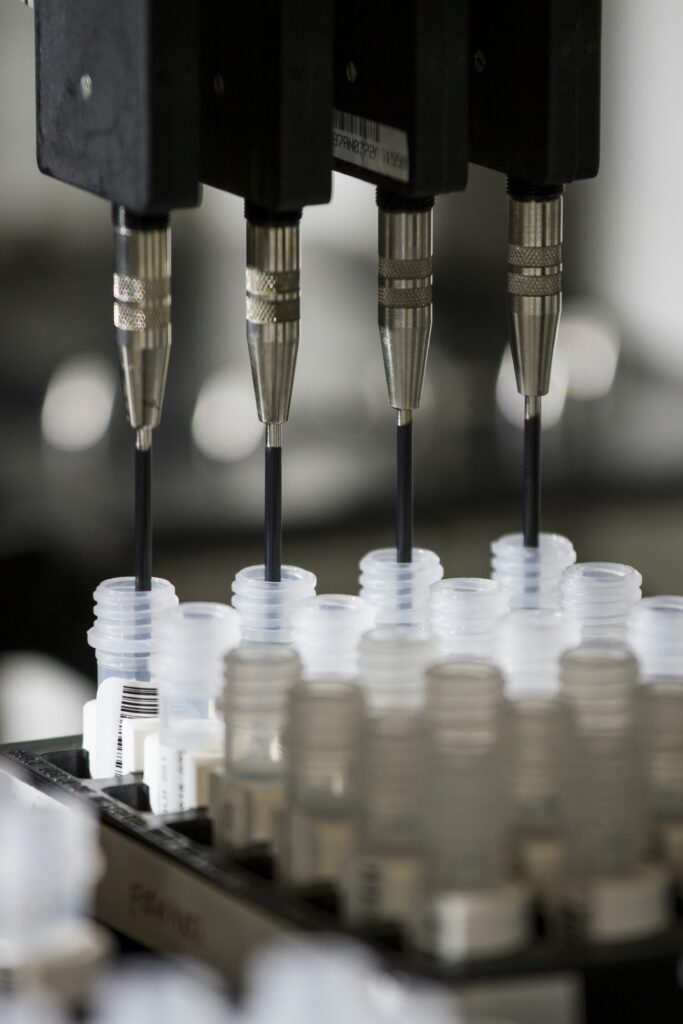
Measurement is what separates a medical peptide program from a product purchase. Following your results alongside how you sleep, train and feel shows us whether your plan is doing what it should, rather than leaving it to guesswork. If you are not moving in the right direction, we change course. It also shows us when peptide therapy works best alongside another treatment, which is why many men pair it with one of the options below.
Peptide Therapy Options in Dallas
The right approach depends on your goals, your evaluation and your overall health. These are the areas where men most often explore peptide therapy, on its own or as part of a broader hormone, weight loss or sexual health plan.

Peptides Alongside Testosterone Therapy
For men with low testosterone, peptide therapy can be discussed as part of one coordinated hormone plan, with a single physician overseeing your testosterone replacement therapy, follow-up visits and long-term health goals.

Peptides for Medical Weight Loss
GLP-1 medications such as semaglutide and tirzepatide are peptide-based treatments used for weight management. At our clinic they are part of a physician-supervised weight loss program that includes nutrition guidance and regular follow-up visits.

Peptides for Sexual Health and Libido
Low libido and changes in sexual performance often have more than one cause. We evaluate the whole picture first, then coordinate any peptide therapy with our erectile dysfunction treatment options as part of one clear plan.

Growth Hormone Support Peptides
Some peptides are designed to support the body’s own growth hormone production rather than replacing hormones directly. Whether this approach fits your plan depends on your evaluation, lab results, health history and personal goals.
What Our Patients Are Saying
Why Choose Us for Peptide Therapy in Dallas
Peptide therapy is only as good as the physician guiding it. We combine urology expertise, thorough evaluation and pharmacy-filled prescriptions, so every plan is built around your health rather than sold as a package.

1
Led by Dr. Michael Wierschem
Your care is directed by Dr. Michael Wierschem, a board-certified urologist and Fellow of the American College of Surgeons who served over a decade as Chief of Urology at Baylor Medical Center at Plano.
1
Evaluation Before Prescription
No plan starts without a full evaluation. Your health history, symptoms and results decide whether peptide therapy makes sense and how we track your progress at every follow-up visit.
1
Licensed Pharmacies Only
Every prescription is filled through a licensed pharmacy. We never ask you to buy peptides online or from sources that are not intended for patient use.
1
Hormones, Weight and Sexual Health Together
Peptides rarely work in isolation. We coordinate them with testosterone therapy, medical weight loss and sexual health care under one physician, so no part of your plan works against another.
1
Discreet and Confidential Care
Every consultation and follow-up takes place in a private setting, and your health information is protected from your very first visit onward.
Visit Our Dallas Clinic
Providing physician-led peptide therapy to men across Dallas, Fort Worth and the greater DFW Metroplex.
Frequently Asked Questions
What is erectile dysfunction?
Erectile dysfunction (ED) is when a man regularly has trouble getting or keeping an erection firm enough for sex. The key word is regularly, since an occasional off night is normal and happens to nearly everyone. It becomes a medical concern when it happens consistently or affects your confidence or relationship. ED is very common, especially with age, and one of the most treatable conditions in men’s health.
How does an erection actually work?
An erection is all about blood flow. When you feel aroused, your brain signals the blood vessels in the penis to relax and open, blood rushes in to fill two chambers of spongy tissue, and that trapped blood keeps you firm. It depends on your brain, nerves, hormones, and blood vessels all cooperating, so a problem in any one of them can show up as ED.
Why does ED happen?
ED happens when something interferes with the blood flow, nerve signals, or hormones needed for an erection, usually a mix of factors rather than one cause. The most common are physical: high blood pressure, diabetes, high cholesterol, heart disease, and low testosterone. Lifestyle factors like smoking, heavy drinking, poor sleep, and lack of exercise contribute too, along with stress, anxiety, and depression. Because ED is closely tied to cardiovascular health, it can be an early warning sign of a larger issue.
What are the common signs of ED?
The most common signs are trouble getting an erection, trouble keeping one long enough for sex, or erections that are noticeably softer or less reliable than before. Needing much more stimulation than usual or a drop in sex drive can also be part of the picture. Losing your morning erections is another quiet clue, since those often reflect healthy blood flow and hormone levels. If these have become the norm rather than the exception, it is worth paying attention to.
How is ED diagnosed?
Diagnosing ED usually starts with a conversation, not a procedure. A provider reviews your symptoms, overall health, medications, and lifestyle, then typically orders simple blood work to check testosterone, blood sugar, cholesterol, and thyroid function. A brief physical exam is common, and in some cases additional testing looks more closely at blood flow. The goal is not just to confirm ED but to pinpoint why it is happening, because that is what makes treatment work.
How is ED treated?
ED is highly treatable, and the right plan depends on what is causing it. Options range from oral medications that improve blood flow and lifestyle changes, to hormone optimization when testosterone is low, to newer treatments like acoustic wave therapy that improve blood flow at the source. Many men do well on pills combined with changes like exercise, better sleep, and quitting smoking. Because ED is so individual, a personalized evaluation leads to the best result.
Take the First Step Toward Better Recovery and Energy
Schedule a confidential consultation with Dr. Wierschem and find out whether peptide therapy is right for you.
Individual results vary. Peptide therapy is prescribed only after a medical evaluation and may not be appropriate for everyone. The information on this page is for general educational purposes and is not a substitute for personal medical advice from a licensed provider.