
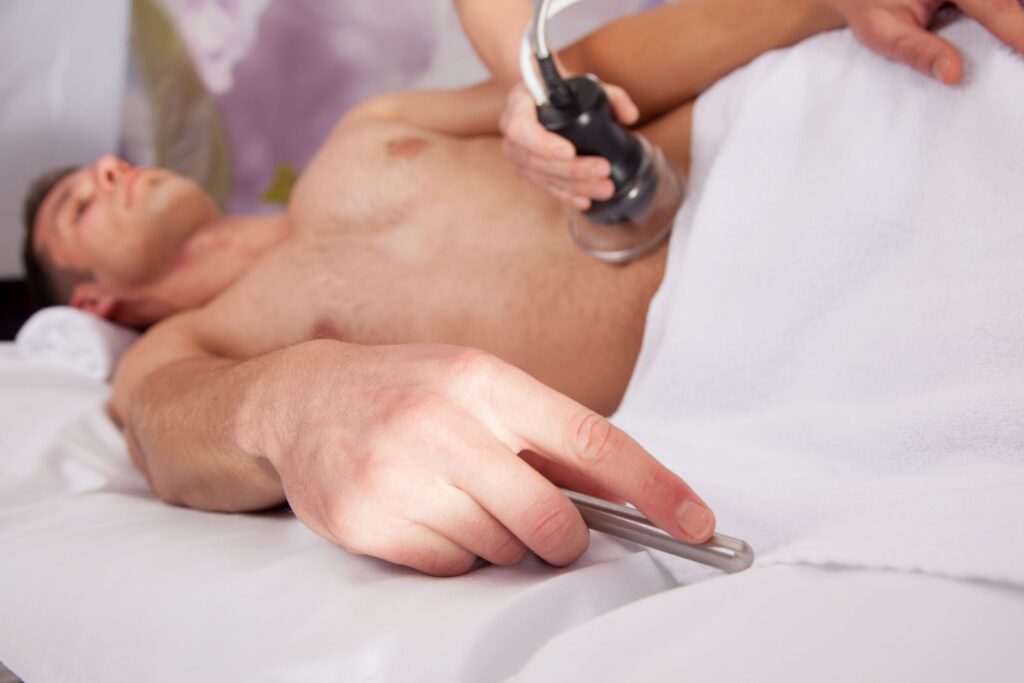
In recent years, laser fat removal has become one of the most talked-about cosmetic procedures for people looking to reshape their body shape without going through traditional liposuction. But the big question remains: laser fat removal, does it work? This in-depth guide will explore what laser lipo is, how it works, its benefits, potential risks, and whether it truly delivers on its promise for fat reduction.
What is Laser Fat Removal?
Laser fat removal, also known as laser lipo, laser lipolysis, or laser-assisted liposuction, is a minimally invasive body contouring procedure designed to target stubborn fat pockets that are resistant to diet and exercise. Unlike traditional liposuction, which uses suction to physically remove fat cells, laser treatments use laser energy to heat and destroy fat cells.
The treatment can be performed as a noninvasive laser lipolysis method or a minimally invasive laser liposuction procedure. In minimally invasive approaches, a small incision is made, and a laser fiber is inserted into the treatment area. The laser’s heat melts the fat beneath the skin, turning it into liquefied fat that is either naturally eliminated by the body or gently suctioned out.
How Does Laser Fat Removal Work?
During the laser liposuction procedure, laser energy targets adipose tissue without significantly affecting the surrounding tissues. The minimally invasive nature of this treatment means minimal incisions, minimal discomfort, and minimal downtime for most patients.
Here’s how the process works:
- Preparation – The treatment area is cleaned and marked.
- Anesthesia – Depending on the case, local anesthesia or general anesthesia may be used to ensure comfort.
- Laser application – A laser fiber delivers controlled laser energy into the subcutaneous fat layer.
- Fat melting – The laser’s heat breaks down the fat cells, turning them into melted fat.
- Removal – The liquefied fat is either naturally eliminated or gently suctioned out.
In non surgical treatments, no incisions are made. Instead, external laser treatment devices send laser energy through the skin, heating the fat cells to trigger breakdown over several weeks.
Benefits of Laser Fat Removal
Laser fat removal offers several advantages over traditional liposuction and other non surgical treatments:
- Minimally invasive with minimal incisions
- Minimal downtime for recovery
- Can promote skin tightening by stimulating collagen production
- Suitable for localized fat deposits in areas like upper arms, thighs, abdomen, and chin
- Can improve skin texture due to collagen stimulation
Because the laser’s heat also promotes collagen stimulation, patients may notice a firmer and smoother skin appearance in addition to fat reduction.
Ideal Candidates for Laser Fat Removal
Not everyone is a good candidate for laser lipo. The procedure works best for individuals who:
- Are at or near their ideal body weight or ideal weight
- Have good skin elasticity
- Maintain a healthy lifestyle
- Have stubborn fat pockets or localized fat deposits
- Are seeking body sculpting rather than significant weight loss
People with moderate skin laxity may still benefit, but results will depend on individual skin texture and elasticity.
What Results to Expect
Laser lipolysis results are not always immediate. While some changes can be seen soon after treatment, full results usually develop over several weeks as the body naturally eliminates the destroyed fat cells.
Many patients require compression garments after the procedure to help with healing and to maintain their body contouring results.
For optimal results, maintaining a healthy lifestyle with balanced nutrition and regular activity is essential. Laser fat removal is not a substitute for diet and exercise.
Risks and Safety Considerations
While considered generally safe when performed by qualified plastic surgeons, laser lipo safety depends on proper technique and patient selection. Risks may include:
- Swelling and bruising
- Temporary numbness
- Mild discomfort in the treatment area
- Infection in rare cases
- Uneven results if not done skillfully
Those with certain health conditions like high blood pressure should consult a doctor before undergoing the procedure.
Laser Fat Removal vs. Weight Loss
It is important to understand that laser lipo is not a weight loss solution. Instead, it focuses on fat removal in targeted areas to improve body shape. Individuals with a high body mass index may need to reach a more stable weight before considering laser lipolysis.
Longevity of Results
If a patient maintains their ideal weight and follows a healthy lifestyle, the results of laser fat removal can be long-lasting. However, new fat deposits can develop if weight is gained after the procedure.
Laser lipo works best as part of a complete approach to body wellness, including diet and exercise.
Should You Avoid Laser Lipo?
You may want to avoid laser lipo if you:
- Have poor skin elasticity
- Expect dramatic weight loss results
- Are not committed to maintaining optimal results with a healthy lifestyle
For those with stubborn fat pockets and good skin elasticity, this minimally invasive body contouring procedure may be a great option.
Final Thoughts
Laser fat removal offers a modern alternative to traditional liposuction for individuals seeking a body sculpting solution with minimal downtime. Its minimally invasive nature, ability to destroy fat cells, and potential for skin tightening make it an appealing choice for the right candidates.
However, it is not a magic solution. For optimal results, patients should be close to their ideal body weight, have good skin elasticity, and be prepared to maintain their shape through a healthy lifestyle.
If you are considering laser lipo, consult with a board-certified plastic surgeon experienced in minimally invasive laser lipolysis to ensure a safe and effective treatment plan.